
Luca Calarailli stands at the intersection of architectural design and heavy industrial innovation, specializing in the complex transition toward zero-emission infrastructure. With a deep background in how technology reshapes the built environment, he offers a unique perspective on the recent collaboration between global giants like Volvo Construction Equipment and Hitachi Energy. This discussion explores the industry’s shift away from standalone electric tools toward fully integrated, plug-and-play construction ecosystems that prioritize energy management and operational security.
Moving from individual electric machines to a fully zero-emission site requires coordinating power supply and charging infrastructure; how does this collaboration address those logistical complexities?
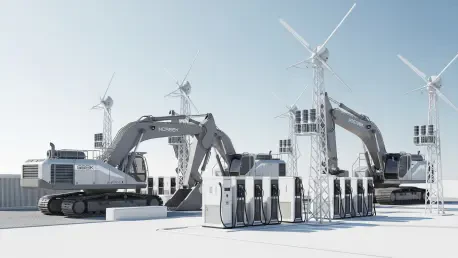
Transitioning to zero emissions is far more complex than simply swapping a diesel engine for a battery; it requires rethinking the entire physical and digital metabolism of the construction site. This collaboration addresses these complexities by treating power supply, charging solutions, and energy management as a single, unified system rather than a collection of separate parts. By signing a Memorandum of Understanding, these companies are building a framework that ensures the electrical infrastructure is ready-to-deploy the moment the machines arrive on site. This integrated approach is designed to give customers the security and peace of mind they need to move away from traditional fuels without risking their project timelines. It essentially creates a plug-and-play environment where the grit of heavy machinery meets the sophistication of modern grid integration.
Why is the construction industry currently shifting its focus from standalone technologies toward these integrated, ready-to-deploy solutions?
The industry is moving toward integration because the pressures from investors, customers, and regulatory bodies have reached a tipping point where minor, incremental changes are no longer sufficient. In hard-to-abate environments like large-scale construction sites, the complexity of managing energy for a whole fleet is too high for contractors to handle using fragmented, standalone technologies. We are seeing regulatory and permitting frameworks that now require projects to prove their environmental performance throughout the entire planning and approval process. By providing a complete solution that includes everything from the machines to the after-market support, partners like Volvo CE and Hitachi Energy are responding to a market that demands both high productivity and a lower carbon footprint. This shift allows for more efficient resource and asset planning, which is the only way to make zero-emission operations viable at scale.
How does the combination of expertise in power systems and heavy machinery change the actual execution of work on a job site?
When you combine deep expertise in power systems with world-class machinery manufacturing, you bridge the gap between energy availability and mechanical execution. Hitachi Energy brings the high-level capabilities in system integration and energy management needed to stabilize the site’s power needs, while Volvo CE provides the electric equipment that performs the actual physical labor. Their joint teams are working on non-exclusive technical and commercial concepts that focus specifically on site-level operational execution and new business models. This means a site manager can stop worrying about whether the grid can handle a fleet of heavy excavators and start focusing on the flow of the work itself. This synergy turns the construction site into a coordinated ecosystem where the machinery and the power infrastructure work in a seamless, digital dance.
Decarbonization is often cited as a pressing challenge for the industry; what role do digital integration and connected machines play in overcoming the hurdles of this transition?
Decarbonization is a massive puzzle, and digital integration is the key to making all the pieces fit together without losing efficiency. While the initial focus of this partnership is on practical go-to-market approaches, the foundation is being laid for advanced capabilities like connected machines and expanded digital service offerings. Digital tools allow for real-time monitoring of energy consumption across the site, which helps operators optimize charging schedules and prevent power surges or downtime. By viewing the construction site as a data-driven environment, we can apply automation and efficient resource planning to reduce waste in ways that were previously impossible. This technological engagement ensures that as the equipment becomes more electric and more complex, the systems managing them become smarter and more intuitive.
What is your forecast for the future of zero-emission construction sites?
I believe we are entering an era where the “isolated machine” model will quickly become a relic of the past, replaced by sites that operate as fully integrated microgrids. As strategic partnerships refine these system-level requirements, we will see zero-emission sites become the standard for all major infrastructure projects, driven by a blend of technological maturity and strict environmental mandates. We will see a rapid expansion of plug-and-play solutions that make it just as easy to set up an electric site as it currently is to deliver a tank of diesel. Ultimately, the focus will shift from the machines themselves to the overarching energy ecosystems that support them, making sustainable construction the most productive and cost-effective way to build. The industry will move beyond the pilot phase into a period of massive, integrated scaling that redefines how we interact with our built environment.