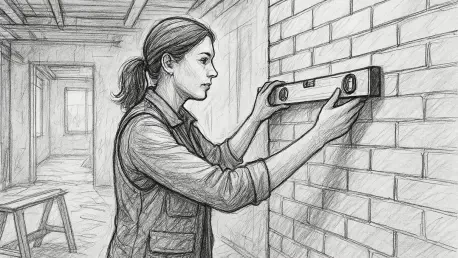

The long-standing architectural and societal barriers that once relegated the skilled trades to a male-only domain are finally crumbling under the weight of a new, tech-savvy workforce. For decades, the blue-collar sector operated as a closed loop, often passed down through generations of men, but this legacy is now being rewritten in real-time. Today, women are not just entering these spaces; they are redefining what it means to be a modern artisan, bringing fresh perspectives to a landscape that was once stagnant. This transformation signals a broader cultural evolution where the distinction between gender-defined roles is becoming increasingly obsolete in the face of practical necessity.
Labor shortages and the digital age have turned the skilled trades into a new frontier for female empowerment. As economic shifts make traditional career paths less certain, many women are finding that the ability to build, repair, and maintain the physical world offers a unique form of security. Moreover, the rise of the digital creator economy has provided the tools and visibility necessary to challenge the status quo. This movement is not just about home improvement; it is a strategic pivot toward a more inclusive and resilient economy that values technical proficiency over outdated social norms.
This analysis explores the data trends driving this growth, the profound impact of social media influencers, and the perspectives of industry experts who are navigating this professional transition. It further examines how the manual trades provide a safeguard against the rise of automation and what the future holds for a workforce that is finally reflecting the diversity of the population it serves. By examining these factors, a clearer picture emerges of a sector that is no longer a niche interest but a central component of the modern labor framework.
The Rising Tide: Statistical Growth and Digital Catalysts
Quantifying the Shift in DIY and Professional Entry
The scale of this shift is visible in recent data, which highlights a significant generational divide in how manual labor is perceived. According to a 2024 report by B&Q, approximately 75% of Gen Z women now actively enjoy DIY projects, a figure that stands in stark contrast to the 60% national average for women across all age groups. This enthusiasm is translating directly into professional aspirations, as the industry sees a steady climb in formal training. Over the next four years, the ratio of female construction apprentices is expected to exceed the current mark of 1 in 10, a notable improvement from the 1 in 14 seen just half a decade ago.
Digital platforms have played a crucial role in matching this growing interest with consumer demand. Platforms like TaskHer have seen their registered tradeswomen quadruple in a single year, a growth rate that reflects both an increasing number of women entering the field and a consumer base that is eager to hire them. This surge in participation indicates that the market is finally catching up to the reality that skill is not gendered. As the demand for reliable, high-quality craftsmanship continues to soar, these platforms provide the essential infrastructure to support women as they scale their businesses.
The “See It to Be It” Effect in the Digital Space
In the digital space, the “see it to be it” effect has moved from a catchy slogan to a practical reality. Influencers like Jasmine Gurney have demystified complex tasks that were once considered the exclusive domain of structural engineers or electricians. By documenting renovations like tearing down partition walls, replacing insulation, and moving electrical sockets, Gurney provides a visual blueprint for her audience. Her content goes beyond simple aesthetic repairs, encouraging women to engage with the structural integrity of their homes and take pride in their technical competence.
While DIY was once a pandemic-era necessity, it has evolved into a form of personal advocacy and cost-of-living resilience. High inflation and a shortage of available contractors have pushed many women to take matters into their own hands. This shift from a hobby to a survival skill has empowered a new generation to bypass the traditional wait times and high costs associated with hiring external help. Consequently, what started as a response to a crisis has become a permanent fixture of the modern homeowner’s lifestyle, fostering a sense of self-sufficiency.
Industry Perspectives: Redefining the Professional Landscape
Industry experts point out that while the cultural shift is underway, structural biases remain a significant hurdle. Anna Moynihan, the founder of TaskHer, has highlighted how even basic technology once worked against women, noting that digital tools frequently autocorrected the word “tradeswoman” to “tradesman.” Furthermore, a historical lack of inclusive marketing, such as the absence of women in stock photography for construction tools, has contributed to a feeling of exclusion. Overcoming these entrenched biases requires a conscious effort to normalize the presence of women in all aspects of the industry, from branding to onsite culture.
The motivation behind the career pivot into trades often stems from a desire for tangible results and professional autonomy. Professionals like Bliss Cunneen, who transitioned from high-level academic fields like anthropology into plumbing, illustrate this trend. Many women are leaving corporate or academic roles for the trades because they offer a sense of physical accomplishment that digital work often lacks. This professional migration is fueled by the realization that skilled labor provides a level of control over one’s schedule and business direction that is rarely found in traditional white-collar settings.
Despite their skill, women in the trades often face an initial competence hurdle when meeting new clients. There is frequently an underlying skepticism or an assumption that the woman is a receptionist rather than the lead contractor. However, industry perspectives suggest that once the work begins, these doubts quickly evaporate. In many cases, female tradespeople win long-term loyalty through superior communication and attention to detail, qualities that clients increasingly prioritize. This ability to break through initial bias and deliver high-quality results is a key driver of the high retention rates seen in female-led trade businesses.
The Future Frontier: AI-Proofing and Economic Resilience
One of the most compelling arguments for the trades is their inherent resilience against the rise of artificial intelligence. While many white-collar roles are increasingly threatened by automation, the manual trades offer a future-proof career path. The complexity of plumbing systems, the nuances of historical carpentry, and the physical dexterity required for electrical work are difficult for machines to replicate. As we progress through the next several years, the value of physical, manual expertise is likely to appreciate, making the trades an attractive option for those seeking long-term economic stability.
The entrepreneurial draw of the trades is another significant factor in this trend. Many women are attracted to the idea of business ownership and the schedule autonomy that comes with it. Being able to set one’s own rates and choose specific projects provides a level of financial independence that is highly motivating. While challenges like the lack of proper onsite facilities and appropriately sized safety gear still exist, the positive trajectory of the industry suggests that these issues are being addressed. The goal is to close the global labor gap by making these careers accessible to everyone.
Conclusion: Rebuilding the Modern Labor Framework
The transformation of the labor market was driven by the convergence of Gen Z engagement and digital influence. It became clear that women in the trades were no longer a niche trend but a fundamental component of a resilient economy. The visibility of female creators and the professional migration toward skilled labor established a new normal for the workforce. Industry leaders recognized that supporting this diversity was essential for closing the global labor gap and ensuring long-term project success.
The shift in the workforce demonstrated that a more inclusive approach was the only viable solution for the persistent worker shortage. Educational programs shifted their focus toward early recruitment, ensuring that young women viewed the trades as a primary career path rather than a fallback option. These steps solidified the trades as a bastion of economic resilience and personal empowerment. By normalizing the sight of women on construction sites, the industry finally overcame the generational biases that had limited its potential for decades.