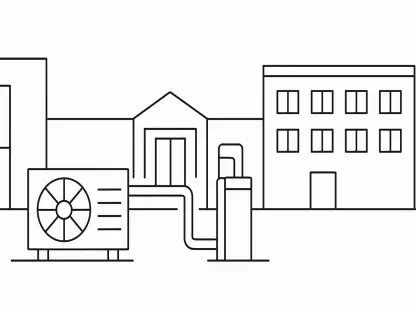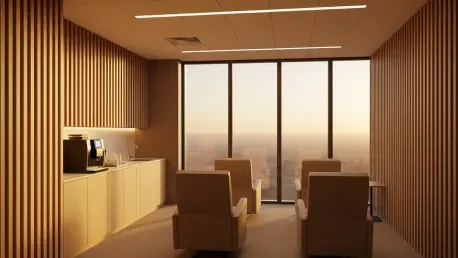

The staggering projection of over two million annual cancer diagnoses across the United States has catalyzed a fundamental paradigm shift in how medical facilities are envisioned and constructed. This surge in demand has effectively ended the era of massive, centralized hospital campuses that dominated the healthcare landscape for decades. In 2026, the industry is witnessing a pivot toward a more decentralized and deeply human-centered model that seeks to meet patients where they are, both physically and emotionally. Current market trends emphasize a transition from large-scale new developments to strategic renovations and the expansion of community-based facilities that offer easier access for residents. Leading healthcare systems are increasingly opting for partnerships between academic research centers and suburban providers to bring high-quality care to a broader audience without the need for long-distance travel. This evolution represents more than just a change in geographic reach; it signifies a fundamental transformation in how care environments are conceived, prioritizing operational efficiency and the long-term sustainability of the entire healthcare system. The upcoming era of cancer center design is defined by four core pillars: agility, empathy, integration, and accessibility. Designers are no longer simply building medical clinics; they are creating flexible, high-tech hubs that can adapt to rapid scientific advancements while maintaining a persistent focus on patient wellness. By prioritizing the emotional needs of both patients and staff, the next generation of facilities will serve as supportive community spaces rather than sterile clinical institutions.
Expanding Accessibility Through Community-Based Models
Decentralizing Care: Enhancing the Patient Arrival
The migration of oncology treatments from traditional inpatient hospital settings to freestanding outpatient clinics represents one of the most prominent shifts in the industry. Advances in medical technology now allow complex procedures, such as specific cell therapies and advanced infusion protocols, to be managed safely in decentralized environments using sophisticated digital monitoring tools. This allows patients to receive life-saving care much closer to their homes, which significantly reduces the logistical stress and travel time often associated with chronic illness management. By moving high-acuity care into neighborhood settings, healthcare providers are making treatment more manageable for those who may have previously struggled with the commute to major urban centers. This decentralized approach also helps to alleviate the strain on large metropolitan hospitals, allowing them to focus on the most critical surgical interventions while community centers handle the bulk of ongoing therapeutic treatments and monitoring.
As oncology care moves deeper into the community, architects and developers are placing a much greater emphasis on the arrival experience to set a positive tone for the treatment journey. Lobbies and waiting areas are being reimagined as hospitality-inspired spaces that feel welcoming and high-end rather than institutional or clinical. These hubs prioritize comfort and ease of navigation, ensuring that the physical environment acts as a supportive partner in the healing process from the very moment a patient walks through the door. High ceilings, soft lighting, and intuitive wayfinding systems help to reduce the anxiety that often accompanies a cancer diagnosis. Furthermore, the inclusion of convenient amenities, such as retail pharmacies and healthy food options, ensures that the facility serves as a comprehensive resource for the patient. By creating a warm and sophisticated atmosphere, providers can foster a sense of trust and calm, which has been shown to improve patient satisfaction and adherence to long-term treatment plans.
Consolidating Services: Meeting Multigenerational Demands
The “one-stop shop” model is rapidly becoming the standard for patient convenience in both urban and suburban markets as healthcare systems look to streamline their operations. Modern facilities are successfully integrating consultations, advanced imaging, laboratory services, and specialized pharmacy needs into a single, cohesive location to simplify the treatment journey for patients and their families. This consolidated approach significantly reduces what experts call “logistical friction,” helping patients stay compliant with their complex treatment plans by eliminating the need to visit multiple buildings for different appointments. For a patient undergoing chemotherapy, having their blood work, scans, and physician consultations all in the same wing saves hours of travel and waiting time. This operational efficiency not only benefits the patient but also improves the throughput and data sharing capabilities of the healthcare provider, as all clinical information remains within a unified system and physical space.
Designers must also account for a shifting patient demographic that now spans multiple generations, from tech-savvy young adults to the elderly. Younger patients often look for high levels of digital connectivity, modern aesthetics, and the ability to manage their care via mobile platforms and kiosks. In contrast, older patients may prioritize more traditional support structures, physical accessibility features, and clear, face-to-face communication. Creating flexible spaces that cater to these varying lifestyles ensures that the facility remains relevant and welcoming to every person who seeks care within its walls. This includes providing diverse seating options, varying levels of acoustic privacy, and technology-enabled spaces where family members can work remotely while supporting their loved ones. By acknowledging the unique needs of different age groups, cancer centers can provide a more inclusive environment that supports the social and emotional well-being of a diverse patient population while maintaining high standards of clinical excellence.
Engineering for Innovation and Scientific Integration
Modular Infrastructure: Future-Proofing Modern Facilities
The rapid pace of oncology innovation means that any facility built with static, permanent assets risks becoming obsolete within just a few years of its completion. To counter this challenge, architecture firms are prioritizing “future-proofing” through modular design and highly adaptable structural layouts that can change as technology evolves. By creating buildings that can be easily reconfigured, healthcare systems can accommodate new precision medicines and diagnostic tools without the need for costly and disruptive major renovations. For example, a space originally designed for traditional infusion therapy can be converted into a suite for specialized genetic treatments by simply adjusting modular partitions and upgrading the technical infrastructure. This commitment to flexibility ensures that the building remains a functional and valuable asset for decades, even as the standard of care continues to shift toward more personalized and technology-intensive interventions.
This strategic commitment to structural flexibility requires intense and early collaboration between engineers, contractors, and medical equipment vendors during the initial design phase. The goal is to build “living buildings” equipped with robust utility systems that can support significant future upgrades in power, cooling, and data transmission requirements. When the physical infrastructure is designed to evolve, the facility becomes an active asset that supports medical progress rather than a bottleneck that limits the adoption of new treatments. Designers are often implementing “over-sized” utility corridors and interstitial spaces that allow for the addition of new pipes or cables without tearing into clinical walls. This foresight prevents the common problem of having a state-of-the-art medical device that cannot be installed because the building’s electrical or cooling systems are insufficient. Ultimately, a future-proofed cancer center is one that can pivot at the speed of science, ensuring patients always have access to the latest breakthroughs.
Integrating Technology: AI and Translational Research
By 2027, the integration of artificial intelligence and robotics will be a standard feature in cancer center design rather than an experimental luxury. High-precision tools like MR-LINACs, which combine real-time imaging and radiation therapy, require specialized shielding and environmental controls that must be integrated directly into the floor plan from the start. Digital wayfinding and AI-driven administrative tools are also being used to automate routine tasks, such as check-ins and appointment scheduling, which allows medical professionals to dedicate more of their time to direct patient interaction. Furthermore, robotic systems are being utilized in pharmacies and laboratories to increase the speed and accuracy of medication preparation, reducing the risk of human error in high-stress environments. These technologies are not just additions to the building; they are core components of the operational workflow that dictate how the space is organized and how patients move through the facility.
The traditional boundary between clinical care and scientific research is also dissolving, leading to the deliberate co-location of laboratories and treatment areas. This “translational research” model encourages clinicians and scientists to work side-by-side, accelerating the timeline from laboratory discovery to bedside application for patients. Modular structural grids allow these spaces to be interchangeable, giving the organization the ability to shift between research and clinical functions as their specific needs change over time. When a scientist can step out of a lab and speak directly with a physician about a patient’s response to a new drug, the feedback loop for innovation is dramatically shortened. This physical proximity fosters a culture of collaboration and discovery that benefits the entire oncology community. By designing spaces that accommodate both the sterile requirements of a laboratory and the comforting environment of a clinic, architects are helping to bridge the gap between today’s treatments and tomorrow’s cures.
Fostering Wellness for Patients and Healthcare Staff
Biophilic Design: Whole-Person Wellness Strategies
Biophilic design, which is the intentional integration of natural elements into the built environment, is now a fundamental requirement for modern oncology facilities. Maximizing natural light, providing views of greenery, and including outdoor healing gardens help to lower patient stress levels and have been linked to improved clinical outcomes. Some centers are even using natural materials like mass timber in infusion suites to create a warm, calming atmosphere that stands in stark contrast to the sterile and cold feel of traditional hospitals. The presence of natural textures and colors has a grounding effect, helping patients feel more connected to the world outside their illness. These design choices are based on a growing body of evidence showing that environments that mimic nature can reduce heart rates, lower blood pressure, and even decrease the amount of pain medication required by patients during their recovery.
Beyond the aesthetics of nature, the “whole-person care” model focuses on providing patients with a sense of agency and dignity during a time when they often feel powerless. Facilities are increasingly incorporating wellness amenities such as nutrition classrooms, meditation spaces, and specialized boutiques for prosthetic or wig services. Providing patients with individual environmental controls, such as adjustable lighting and thermal settings in treatment rooms, empowers them to customize their surroundings and find physical comfort during difficult moments. This shift toward autonomy is a critical component of modern cancer care, as it respects the patient as an individual rather than just a medical case. By integrating these non-clinical spaces, cancer centers become community hubs for healing, offering resources that address the physical, psychological, and social needs of everyone who enters the building, thereby creating a truly holistic environment.
Staff Support: Workforce Wellness and Creative Funding
To combat high rates of clinical burnout among oncology professionals, designers are placing a renewed focus on the staff experience by creating dedicated “respite and recharge” rooms. Respite rooms offer private, sunlit spaces for physicians and nurses to process emotional challenges or have difficult conversations away from the public eye, while recharge rooms provide areas for physical rest and relaxation during long shifts. These spaces are often equipped with ergonomic furniture, calming visuals, and acoustic insulation to ensure true peace and quiet. Investing in these employee-focused areas is essential for staff retention and ensures that the workforce remains energized and focused on providing the best possible care to their patients. A well-supported staff is more likely to provide the compassionate, high-quality care that is the hallmark of a successful cancer center, making these “back-of-house” investments just as important as the clinical spaces.
Realizing these ambitious, high-tech designs often required creative financial strategies, such as Public-Private Partnerships (P3) and developer-led lease models. These arrangements allowed healthcare providers to expand their reach and upgrade their facilities without the massive upfront capital expenditures typically associated with new construction projects. By leveraging the strengths of private developers and academic institutions, health systems ensured that advanced cancer care remained accessible and sustainable in a complex economic landscape. These partnerships often provided the flexibility needed to build innovative community hubs that would have been impossible under traditional funding models. Furthermore, the collaboration between private entities and public health systems fostered a more diverse approach to healthcare delivery, combining commercial efficiency with clinical excellence. This financial agility was the final piece of the puzzle that allowed the visionary designs of 2026 to become a physical reality for patients across the country.
Strategic Frameworks for the Next Generation of Care
The evolution of cancer center design through 2026 and into 2027 demonstrated that the physical environment was no longer a passive backdrop for medical procedures, but rather an active participant in the healing process. Successful organizations moved beyond the traditional constraints of hospital architecture by adopting decentralized, community-based models that prioritized patient convenience and emotional well-being. These facilities utilized modular infrastructure to remain adaptable in the face of rapid technological breakthroughs, ensuring that the buildings themselves never limited the potential for clinical innovation. By integrating artificial intelligence and translational research labs directly into the care environment, providers accelerated the delivery of personalized medicine. This holistic approach was further strengthened by a commitment to biophilic design and staff wellness, acknowledging that a healing environment must support the psychological needs of both the patient and the healthcare provider to be truly effective.
Future developments in oncology design should focus on the continued integration of smart-building technologies and the expansion of flexible, multi-use spaces that can serve as community health assets. Healthcare leaders were encouraged to evaluate their existing portfolios and identify opportunities for strategic renovations that could incorporate these modern standards without the need for total redevelopment. Emphasizing data-driven design decisions and fostering deep collaborations between architects, engineers, and clinical staff remained essential for creating spaces that were both operationally efficient and deeply compassionate. As the industry moved forward, the most successful cancer centers were those that remained agile, empathetic, and fully integrated into the communities they served. These strategic frameworks provided a clear roadmap for ensuring that the physical infrastructure of cancer care continued to evolve in tandem with the medical advancements that defined the era.