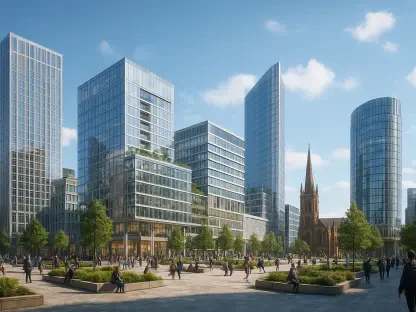

The skyline of Central Phoenix is undergoing a dramatic transformation as heavy machinery begins the foundational work for a project that promises to anchor the region’s cultural identity for decades to come. The Whitney, a twenty-four-story mixed-use residential high-rise, has officially broken ground at the high-traffic intersection of Central Avenue and McDowell Road, signaling a new chapter in urban densification. This development is led by Aspirant Development, the specialized urban infill arm of the Empire Group of Companies, which has successfully navigated a complex economic landscape to secure over one hundred and thirty-one million dollars in total project financing. By integrating high-density luxury living with extensive ground-floor commercial space, the project aims to serve as a bridge between the historical charm of the surrounding neighborhoods and the modern demands of a growing metropolitan workforce. This groundbreaking serves as a testament to the city’s ability to attract significant institutional capital even during periods of broader market uncertainty.
Strategic Urban Connectivity and Cultural Identity
The Whitney holds a unique position in the local real estate market as the only residential high-rise currently situated within the downtown corridor north of the I-10 freeway. This specific location offers a distinct logistical advantage for professionals who seek the amenities of a high-density urban core while avoiding the saturation and traffic delays often associated with the southern reaches of the central business district. The developer’s choice of the name is a deliberate tribute to the Whitney Museum of American Art in New York, a move intended to align the property with the artistic soul of the Phoenix Arts District. This branding strategy reflects a broader trend where residential developments are no longer just housing providers but are instead active participants in the cultural branding of their respective neighborhoods, fostering a sense of place that resonates with residents who prioritize creative environments.
Beyond its aesthetic alignment with the local arts scene, the project is a textbook example of transit-oriented development designed to reduce reliance on personal vehicles. The McDowell Road light rail station is located directly in front of the property’s entrance, providing residents with an immediate link to the entire Phoenix Valley transit network. This connectivity is particularly valuable for those who frequent the Roosevelt Row Arts District, which is located just one light rail stop to the south, allowing for a seamless integration of living, working, and social life. By placing high-density housing at a major transit node, the development supports city-wide sustainability goals while offering a lifestyle characterized by walkability and regional accessibility. This approach ensures the building remains a focal point for urban dwellers who value the freedom of a well-connected, car-light lifestyle in the heart of the desert.
Robust Financial Backing and Market Confidence
Securing the necessary capital for a project of this magnitude required a sophisticated, multi-tiered financing strategy that highlights the ongoing appeal of the Phoenix market to global investors. WAY Capital was instrumental in arranging a comprehensive one hundred and thirty-one million dollar package, which includes a senior loan of nearly eighty-five million dollars from Axos Bank. This primary funding is supplemented by over forty-six million dollars in mezzanine debt, co-funded by Lionheart Strategic Management and the private assets arm of Schroders Capital. The involvement of such high-profile institutional lenders suggests a strong consensus regarding the stability of the Phoenix economy and its ability to support high-end residential growth. Even as construction lending environments fluctuate, the successful capitalization of The Whitney proves that high-quality projects in emerging urban cores continue to be viewed as safe and lucrative harbors for institutional wealth.
This financial structure not only provides the liquidity needed for construction but also reflects a deep-seated belief in the long-term appreciation of the Central Avenue corridor. Institutional partners like Schroders Capital bring a level of international scrutiny to their investments, and their participation indicates that Phoenix is increasingly viewed as a top-tier destination for urban infill development. The partnership between traditional banking institutions and private mezzanine lenders allows for greater flexibility in project execution, ensuring that the architectural vision is not compromised by budgetary constraints. As the project moves forward, this robust financial foundation will likely serve as a blueprint for other developers looking to launch large-scale projects in the region. The successful closing of this deal reinforces the narrative that Phoenix is no longer just a suburban sprawl success story but is now a serious contender in the national high-rise development sector.
Modern Living and Curated Resident Amenities
The interior design and functional layout of the three hundred and twenty-eight units within the high-rise are specifically tailored to meet the expectations of a discerning urban demographic. Each residence will feature high-end finishes that prioritize both durability and modern aesthetics, including luxury vinyl plank flooring and contemporary induction ranges that appeal to eco-conscious home cooks. Tiled bathrooms with walk-in showers and upgraded appliance packages further distinguish these units from standard rental stock, positioning the building as a premier luxury option in the Arts District. This focus on “design-forward” living is intended to attract professionals who work in the nearby medical and technology corridors, providing them with a refined sanctuary that mirrors the sophistication of their work environments. The architectural intent is to create a space where the industrial strength of a high-rise meets the warmth of a curated home.
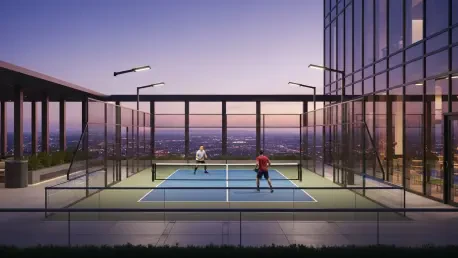
Complementing the individual living spaces is a vast array of communal amenities designed to support the multifaceted lives of modern residents, particularly those operating within a hybrid or remote work model. The building will feature multiple co-working spaces and resident lounges that are distributed throughout the structure, offering various environments for productivity and social interaction. A state-of-the-art fitness center will provide comprehensive wellness options on-site, but the most anticipated feature is undoubtedly the rooftop pickleball court. This recreational addition reflects the current cultural shift toward active, social sports and offers residents a unique way to engage with their neighbors while enjoying panoramic views of the Phoenix skyline. By integrating these diverse lifestyle elements, the development functions as a self-contained community where the boundaries between professional work, physical health, and social leisure are thoughtfully blurred to maximize resident satisfaction.
Commercial Integration and Economic Growth
The ground-floor component of the project is set to play a pivotal role in the revitalization of the Central Avenue streetscape, featuring over twenty-two thousand square feet of retail and restaurant space. Diversified Partners has been tasked with leading the leasing efforts, focusing on curating a mix of tenants that will provide daily conveniences for residents while serving as a draw for the broader community. This commercial strategy is designed to create a “sticky” environment where visitors are encouraged to stay and explore the local area, thereby increasing foot traffic and economic activity for neighboring businesses. By providing high-visibility retail spaces at a major intersection, the project ensures that operators have access to a consistent customer base of on-site residents and commuters using the light rail. This synergy between residential density and commercial vitality is essential for creating a vibrant, twenty-four-hour urban environment.
As the construction of the tower progresses, the impact on the local economy will extend beyond the physical footprint of the building, encouraging further investment in the surrounding blocks of the Arts District. The introduction of hundreds of new residents with significant purchasing power will likely spur a new wave of localized entrepreneurship, ranging from boutique galleries to artisanal cafes. This organic economic growth is a direct result of the high-density infill strategy, which focuses on maximizing the utility of underutilized urban land. By the time the project reaches completion, the intersection of Central and McDowell will have transitioned from a transit waypoint into a premier destination for dining and shopping. This evolution reflects the broader maturation of Phoenix as a city that values its urban core, demonstrating that strategic private investment can act as a powerful catalyst for public-facing economic development and long-term community resilience.
Future Considerations: Sustaining Urban Vitality
Moving forward, the success of high-rise developments like the one currently rising in the Arts District will depend on the continued integration of smart city technologies and sustainable building practices. Future phases of urban planning should prioritize the expansion of shaded walkways and heat-mitigation strategies to ensure that the increased foot traffic remains comfortable during the summer months. Developers and city officials must collaborate to ensure that as the skyline grows taller, the street-level experience remains human-centric and accessible to all members of the community. Consideration should also be given to how these high-density nodes can incorporate more green spaces or vertical gardens to offset the urban heat island effect, providing environmental benefits alongside economic ones. As the city continues to attract global talent, maintaining a balance between luxury growth and cultural authenticity will be the key to ensuring Phoenix remains a vibrant place to live and work.
The long-term viability of the Central Avenue corridor will also hinge on the continued efficiency and expansion of the public transportation network that makes projects like this possible. Ensuring that the light rail remains a safe, reliable, and frequent option for residents will be crucial for maintaining the “transit-oriented” value proposition of high-density living. Stakeholders should look toward implementing more localized mobility solutions, such as bike-sharing hubs and improved electric vehicle infrastructure, to complement the existing transit framework. By viewing the completion of this high-rise not as an end point, but as a catalyst for a more interconnected urban ecosystem, Phoenix can continue to evolve into a world-class metropolitan center. The lessons learned from the financing and execution of this project were applied to refine future urban infill strategies, ensuring that the city’s growth was both ambitious and sustainable for the diverse population it serves.