
The roar of heavy machinery and the clatter of steel beams are now being joined by the silent, high-speed processing of onsite artificial intelligence algorithms as Suffolk Construction redefines field operations. This strategic move relocates technological experts from comfortable corporate headquarters directly into the rugged environment of construction jobsite trailers. By embedding AI engineers in the field, the firm provides immediate solutions to project hurdles that once required weeks of back-and-forth communication between various departments.
This initiative addresses the urgent need to modernize the American building process through direct collaboration between data scientists and builders. Moving beyond theoretical tech applications, the presence of these professionals on the ground ensures that digital innovations are practical and responsive to the daily realities of a construction site. This evolution shifts the focus from simple data collection to active, real-time problem solving in the field.
Bridging the Gap Between Data Science and Hard Hats
The construction industry often suffers from a disconnect between high-level technological planning and the gritty reality of a physical jobsite. Suffolk Construction closes this distance by placing data scientists alongside project managers and trade workers to facilitate direct, face-to-face collaboration. This integration ensures that digital tools are not just theoretical constructs but practical instruments that improve the daily workflow of the building process.
Furthermore, this approach fosters a culture where data-driven insights are valued as much as traditional craftsmanship. As builders and engineers work in close proximity, they develop a shared language that accelerates problem-solving and reduces the friction typically found in large-scale infrastructure projects. This evolution transforms the jobsite from a purely physical workspace into a high-tech laboratory where efficiency is constantly measured.
Building the Foundation: A Decade of Data Investment
The current deployment of onsite engineers did not happen overnight; it is the result of a massive investment totaling over one hundred million dollars. The company spent significant resources building a comprehensive data infrastructure that now serves as the backbone for its technological initiatives. This commitment focused on gathering and structuring historical information to create a predictive environment rather than a reactive one.
Central to this effort is a massive data lake containing nearly three hundred terabytes of structured construction information. This digital repository provides the necessary fuel for machine learning models to analyze patterns from previous projects. In a market defined by rising material costs and labor shortages, having access to such a deep well of information allows the firm to forecast challenges and maintain project momentum with accuracy.
Executing the “Jobsite of the Future” Initiative
Step 1: Embedding AI Engineers Into Onsite Project Workflows
Moving From Central Offices to Construction Trailers
The initial phase of the program focuses on physical proximity, moving software developers out of isolated offices and into the trailers where project decisions are made. This change allows engineers to witness the specific physical constraints and delays that characterize large-scale construction. Living the project lifecycle helps these professionals understand the nuances of weather delays and labor coordination in real time.
Participating in Daily Project and Coordination Meetings
Involvement in routine onsite meetings enables AI specialists to catch subtle operational inefficiencies that might go unnoticed by those focused solely on construction. By listening to the concerns of subcontractors and site supervisors, engineers identify specific pain points and develop software patches or new tools during the project itself. This rapid iteration cycle ensures that technology serves the builders.
Step 2: Optimizing the Pre-Construction and Design Phases
Utilizing AI-Assisted Design Reviews to Identify Conflicts
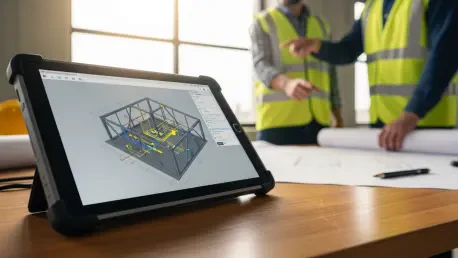
During the early stages of a project, algorithms scan complex blueprints to detect structural or mechanical overlaps that could lead to expensive rework. By identifying these clashes in the digital model before any materials are ordered, the team prevents the physical conflicts that often stall progress. This proactive review process saves significant costs by ensuring architectural designs are buildable.
Reducing Coordination Gaps Before Groundbreaking
Closing the gap between design and execution is essential for maintaining tight schedules. The use of predictive modeling helps teams align their expectations with the reality of the site, ensuring the transition from a digital model to a concrete structure is seamless. This level of coordination reduces the need for emergency change orders and keeps the project on its original financial trajectory.
Step 3: Streamlining Logistics and Administrative Processes
Monitoring Supply Chain Risks via AI Procurement Systems
The integration of AI extends into the complex world of global logistics and procurement. Systems now track lead times and material availability across the world, alerting project managers to potential shortages weeks or months in advance. This foresight allows the team to pivot sourcing strategies or adjust schedules before a missing component becomes a critical bottleneck on the site.
Automating Requisition Documentation for Faster Payments
Administrative tasks that once took days are now handled through automated payment systems. By streamlining the requisition process, the firm reduces the volume of paperwork and minimizes human error in financial documentation. This automation ensures that subcontractors are paid more quickly, which strengthens relationships with local trades and improves overall project cash flow.
Core Pillars of Suffolk’s AI Integration Strategy
The strategy focuses on three specific areas to maximize impact: design optimization, scheduling accuracy, and process automation. Design optimization uses predictive modeling to eliminate structural conflicts early, while scheduling accuracy leverages historical data to mitigate the risk of overruns. Process automation focuses on reducing the manual administrative burden that often distracts the team from actual construction tasks.
The Shift Toward In-House Innovation and Industry Modernization
A significant trend among major contractors involves prioritizing internal research and development over generic third-party software. By building proprietary tools, the firm ensures that its technology is perfectly aligned with its unique operational needs. This shift suggests that the construction industry is moving Toward a future where competitive advantages are built through data ownership and customized software solutions.
Modernizing the building process requires a departure from the traditional methods that have dominated the sector for decades. Data-driven decision-making has transitioned from a luxury to a fundamental requirement for any firm looking to survive in an increasingly volatile economic landscape. This move marks the end of the era of guesswork and the beginning of a period defined by technical precision and transparency.
Redefining the Standard for American Building Operations
The integration of AI engineers on the jobsite functioned as a catalyst for a more efficient and predictable construction process. This initiative proved that the synthesis of human expertise and machine intelligence created a superior blueprint for large-scale infrastructure delivery. The firm successfully refined its approach to merge data science with the physical realities of the field, establishing a new benchmark for the entire industry. As these methods gained traction, they provided a clear path toward a more technologically advanced and reliable building environment.