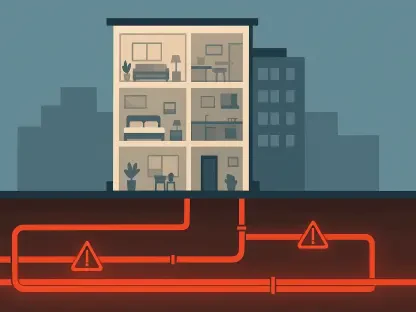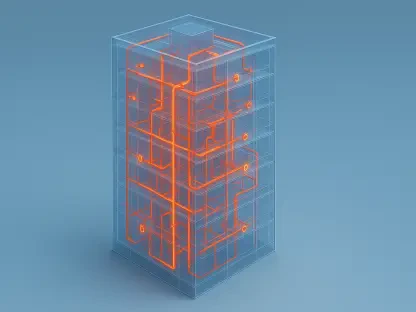

The threshold for home security has shifted significantly as the digital landscape matures, making it necessary to view hardware not as a permanent fixture but as an evolving asset. Homeowners often wait for a device to fail completely before considering a replacement, yet in the realm of smart technology, functional obsolescence usually arrives long before a total mechanical breakdown occurs. A doorbell that still chimes but fails to distinguish a neighbor from a stray shadow is a liability rather than an asset. Transitioning toward a proactive upgrade cycle allows residents to stay ahead of sophisticated security threats while benefiting from the rapid pace of innovation in connectivity and artificial intelligence. By acknowledging that a security system is a living infrastructure, individuals can better protect their physical property and digital privacy through timely, strategic updates that align with modern standards of performance and reliability. This approach transforms the home from a passive environment into a responsive, intelligent fortress that adapts to the specific needs of its inhabitants and the surrounding neighborhood.
Identifying Core Upgrade Catalysts
Visual Clarity and Image Resolution
Legacy hardware often utilizes standard high-definition sensors that struggle to provide actionable evidence in the event of a security breach or a property dispute. Grainy video feeds can make it nearly impossible to identify facial features or read license plates from a distance, rendering the recorded footage functionally useless for law enforcement or personal identification. Modernizing these components ensures that every frame captured is of evidentiary quality, providing the pixel density needed to zoom in on specific details without the image dissolving into a blurry mess of artifacts. This shift from mere surveillance to high-fidelity documentation is a fundamental requirement for anyone serious about property protection. When older cameras fail to capture the color of a vehicle or the specific clothing worn by a trespasser during the twilight hours, the value of the entire security investment is called into question. Consequently, the move to higher resolution sensors represents a critical step in maintaining a robust and reliable defense against modern security challenges.
Network Stability and Connection Standards
Network stability serves as a primary pillar for a functional security ecosystem, as the proliferation of smart devices in the average home can easily overwhelm older routers and legacy hardware. Devices built on outdated Wi-Fi standards often experience significant latency or frequent drop-offs, where a camera might miss the first few critical seconds of an event because it was struggling to establish a secure, stable connection. Upgrading to hardware that supports dual-band connectivity or the latest Wi-Fi 6 standards allows for more efficient data handling and significantly reduced interference from other electronic devices. This ensures that the security perimeter remains responsive and reliable, even when multiple family members are streaming high-bandwidth media or working from home simultaneously. A steady connection is not just a matter of convenience; it is the lifeline that allows a security system to transmit urgent alerts and live video feeds in real time. Without this stability, even the most advanced camera becomes a silent observer that fails to communicate when it is most needed.
Detection Accuracy and AI Notification Filtering
Beyond the quality of the image itself, the effectiveness of a security system is largely defined by how intelligently it filters the information it receives. Older systems frequently suffer from notification fatigue, caused by basic motion sensors that trigger an alert for every passing car, swaying tree branch, or change in ambient lighting. Modern upgrades introduce sophisticated artificial intelligence that can distinguish between a person, a pet, and a harmless environmental movement. By implementing customizable motion zones and person-detection algorithms, homeowners can ensure that the alerts they receive on their mobile devices are actually meaningful and deserve immediate attention. This reduction in false positives prevents users from becoming desensitized to their security notifications, which is a common problem with legacy equipment. When a system only speaks when there is something truly worth seeing, the user’s trust in the technology increases, leading to a much safer and more controlled domestic environment that does not disrupt daily life with unnecessary interruptions.
Software Support and Digital Lifecycle Security
Technology eventually reaches an end-of-support phase where manufacturers no longer provide the necessary firmware updates to protect against emerging digital threats. This makes a hardware refresh vital not just for new features, but for maintaining the basic integrity of the digital perimeter against sophisticated hacking attempts. Older devices that are left unpatched become easy entry points for malicious actors who exploit known vulnerabilities to gain access to a home network. Furthermore, newer applications and cloud-based features often require more processing power than legacy chips can provide, leading to a sluggish user experience and a lack of access to the latest security tools. By staying current with hardware releases, homeowners ensure that their data remains encrypted and their devices remain compatible with the most recent privacy protocols. A proactive upgrade strategy treats the digital security of the home with the same seriousness as its physical security, recognizing that a weakened software foundation can compromise the safety of the entire household.
Technological Advancements in Modern Hardware
Enhanced Imaging and Nighttime Awareness
Current-generation hardware has redefined industry standards by moving toward ultra-high-definition resolutions which allow for crisp digital zooming without a significant loss of detail. This capability is essential for monitoring large yards or identifying specific delivery labels from a distance, providing much higher situational awareness than legacy equipment. These advancements are often paired with Color Night Vision technology, which transforms monochromatic, shadowy nighttime feeds into vivid and accurate records of events. By retaining color information in low-light conditions, these cameras make it much easier to describe suspects or vehicles to authorities, as the distinction between a dark blue and a black car becomes clear. This leap in nighttime performance addresses one of the most significant weaknesses of traditional home security, ensuring that the property is just as protected at midnight as it is at noon. Enhanced sensors also handle high-contrast scenes better, such as a porch in deep shadow on a bright sunny day, ensuring that faces are never washed out or hidden in the dark.
Radar Technology and Spatial Precision
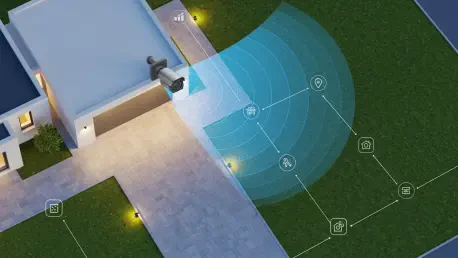
Technological progress has introduced radar-powered precision to the consumer market, featuring 3D Motion Detection and advanced mapping tools that track a visitor’s exact path on the property. This spatial context is a significant upgrade over traditional motion sensing, as it provides a bird’s eye view of how an individual approached the home and where they went after leaving the door. This level of detail is bolstered by integrated monitoring that provides descriptive video alerts, allowing users to understand the context of an event without having to open the application and watch a full clip. To complement these sophisticated features, many new devices offer seamless solar compatibility, which significantly reduces the maintenance burden of recharging batteries. This ensures consistent security in remote corners of a property where hardwiring might be difficult or impossible, allowing for a comprehensive security blanket that covers every potential entry point. The integration of radar and solar power represents a shift toward more autonomous and intelligent systems that require less human intervention.
Phased Upgrades and Ecosystem Compatibility
Upgrading a home security setup does not require a costly or immediate replacement of every single device, thanks to the modular design of modern smart home ecosystems. Because newer hardware typically shares the same application framework and subscription protocols as older models, homeowners can choose to upgrade one node at a time based on their specific priorities. This allows for a strategic implementation where high-traffic areas, such as the primary entrance or a vulnerable side gate, are updated with the latest technology first. Older hardware that is still functional can then be moved to serve lower-priority zones, such as a basement or an interior hallway, ensuring the transition is both affordable and efficient. This modularity ensures that the home remains protected throughout the transition process, as there is never a period where the entire system is offline for an overhaul. By spreading the cost and the installation work over several months, residents can build a state-of-the-art network that remains manageable and integrated.
Market Cycles and Strategic Implementation
The timing of a hardware refresh was found to be just as important as the selection of the devices themselves, as market cycles provided clear opportunities for maximizing value. Significant life transitions, such as moving to a new property or completing a home renovation, served as ideal moments to reassess the overall security perimeter and address new blind spots that emerged. Industry trends indicated that seasonal sales and bundle offers allowed for the acquisition of advanced technology at a fraction of the standard retail price. Once the decision to modernize was made, the implementation of privacy-centric features became a top priority for those looking to secure their data. The inclusion of physical privacy covers and more granular motion masking gave individuals total control over what their cameras recorded, ensuring that their personal space remained private while their property remained secure. These strategic steps collectively ensured that the home was prepared for the challenges of a modern neighborhood, providing long-term peace of mind through a well-maintained and technologically superior security infrastructure.