
The rapid evolution of coastal urban centers often necessitates a delicate balance between preserving historical identity and embracing the demands of modern commercial infrastructure. Recent planning decisions finalized by the North Somerset Council for the Weston-super-Mare area highlight a concerted effort to foster economic vitality while maintaining the region’s distinctive character. Between September 20 and October 3, 2026, the local governing body approved a diverse array of projects that signal a major phase of growth for both the business sector and residential neighborhoods. These actions reflect a sophisticated approach to municipal oversight, ensuring that industrial expansions do not come at the expense of ecological health or heritage preservation. By examining these approvals, it becomes evident that the region is transitioning into a resilient hub, ready to meet the logistical and environmental challenges of the late 2020s through careful, evidence-based planning and community development.
Economic Growth
Industrial Expansion
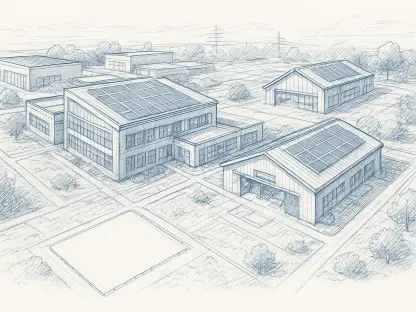
Significant investments in the commercial landscape are spearheaded by the reconfiguration of the Weston Business Quarter, an ambitious project that involves the amalgamation of existing buildings to streamline operations and the construction of new industrial units. This strategic expansion is designed to attract high-value industries and provide the necessary footprint for local enterprises to scale their operations effectively within the district. On a more localized level, the council granted a retrospective application for an extension to the Greggs facility on New Bristol Road, demonstrating a pragmatic approach to supporting established businesses that contribute to the local economy. These developments are not merely about increasing floor space but are focused on optimizing land use in areas already designated for industrial activity. The council’s approval of these plans suggests a strong confidence in the region’s economic trajectory, providing the infrastructure required to sustain a modern workforce.
Public Infrastructure
Public services and consumer-facing facilities are also undergoing a significant transformation to better align with the evolving needs of the community. At the Mercury Petrol Filling Station in Worle, the council approved a shift away from traditional recycling banks toward more modern consumer services, including the installation of new jet-wash bays and a centralized locker hub. This modernization reflects a broader trend of repurposing existing commercial sites to provide more versatile services that cater to the logistical demands of a mobile population. Simultaneously, essential public infrastructure saw progress with the discharge of road safety conditions for a police maintenance depot and adjustments to the boundary treatments for a new primary school at the Weston Airfield development. These decisions ensure that as the population grows, the safety and education sectors are equipped with appropriate facilities. By prioritizing both commercial efficiency and public service reliability, the council is creating a balanced environment.
Local Heritage
Housing Preservation
Residential modernization in the Weston area is increasingly defined by a dual commitment to environmental sustainability and the sensitive preservation of the town’s architectural history. Homeowners are actively participating in this transition, as seen in the approval of a new driveway on Milton Road that incorporates an electric vehicle charging point, signaling a community-wide shift toward greener transportation. While modern updates like rear extensions in Elborough and Wick St Lawrence provide necessary functional space for families, the council has remained vigilant in protecting heritage assets. This is particularly evident in the meticulous approvals granted for listed buildings, such as the replacement of windows at Lower Church Road and significant masonry and timber restoration at Manor Farm in Uphill. By requiring that modern double-glazing and structural repairs remain consistent with historical aesthetics, the authorities ensure that the region’s visual legacy is preserved as structures are updated.
Land Management
Environmental stewardship acted as a foundational element in the recent wave of council approvals, bridging the gap between urban expansion and ecological preservation. The local government demonstrated this commitment through the approval of a Biodiversity Net Gain plan for a development in Locking, ensuring that new projects contributed positively to the local ecosystem rather than merely minimizing damage. Furthermore, the agricultural sector received support through the authorization of a new shelter at Hillfield Farm, specifically designed to improve calving conditions and livestock handling. This focus on rural management was complemented by extensive tree maintenance approvals across various residential streets, involving the strategic pruning of birch and fruit trees to maintain urban green canopies. These final decisions established a clear framework for future growth that prioritized the health of the natural environment and offered actionable paths for sustainable community development in the region.