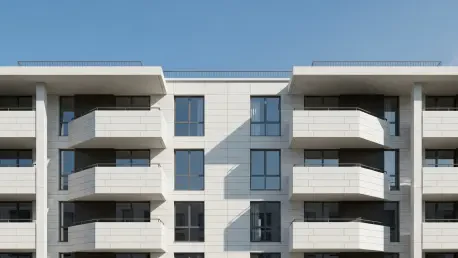

The rapid professionalization of the rental market in England and Wales has reached a critical turning point with the formal introduction of an industry-led framework designed to redefine the relationship between residents and housing providers. Spearheaded by the Build-to-Rent Alliance, a collaborative partnership involving the Association for Rental Living and Real Estate:UK, this initiative represents a decisive move toward comprehensive self-regulation in a sector that was previously governed by fragmented standards. By establishing a voluntary yet rigorous set of benchmarks, the Alliance aims to distinguish high-quality Build-to-Rent developments from the often-unpredictable nature of the traditional private rented sector. This strategic evolution is not merely about improving physical structures but is focused on creating a verifiable standard of living that prioritizes transparency, safety, and long-term resident satisfaction. As institutional investment continues to flow into large-scale housing projects, the necessity for a unified operational code has become paramount to ensuring that the industry remains both competitive and ethically grounded in its growth.
Establishing the Charter of Commitments
Core Principles: High-Quality Housing
Central to the new framework is a fundamental shift toward ethical leasing practices that emphasize the financial security and clarity of the tenant experience. Signatories to the code have committed to maintaining transparent rental terms that eliminate hidden fees and simplify the often-complex process of securing a long-term home. A significant component of this commitment involves the management of financial deposits, where operators must guarantee the prompt return of funds and limit the overall financial burden placed on residents at the start of a lease. By prioritizing these ethical standards, the sector is actively working to rebuild trust with a consumer base that has historically been wary of the rental market. This transparency serves as the operational backbone of the Charter of Commitments, ensuring that every resident understands their rights and obligations from the moment they sign a contract. Furthermore, the focus on fair leasing helps to stabilize communities by encouraging longer tenancies and reducing the frequent turnover that often disrupts neighborhood cohesion in urban centers.
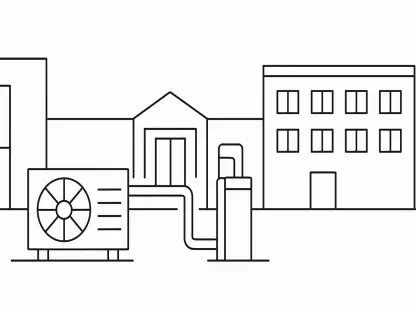
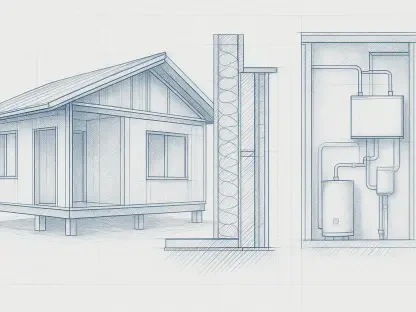
Building on these administrative improvements, the code mandates a higher level of structural integrity and environmental responsibility for all participating developments. Operators are now required to maintain their buildings well above national safety minimums, with a specific agreement that structural maintenance costs will not be passed on to residents by default. This ensures that the responsibility for building safety remains firmly with the owner, fostering a culture of accountability that is often missing in smaller-scale rental properties. In tandem with safety, environmental stewardship has been integrated as a core pillar, requiring a minimum Energy Performance Certificate rating of “C” for all units. This focus on sustainability extends to a collective industry target of achieving net-zero emissions by 2050, aligning the Build-to-Rent sector with broader global climate objectives. By integrating high-efficiency heating systems and sustainable building materials, providers are not only reducing their carbon footprint but are also helping residents manage energy costs, making professionalized renting an attractive and responsible lifestyle choice for the modern urban dweller.
Professional Management: Community Focus
The shift toward a service-oriented housing model requires a complete reimagining of property management, moving away from the “absentee landlord” trope that has long plagued the rental industry. Under the new code, operators must employ highly qualified and diverse teams who are specifically trained to provide responsive and empathetic service to their residents. This professionalization ensures that repair requests are handled with urgency and that the physical environment is consistently maintained to a high standard. Moreover, the presence of on-site management teams creates a layer of accountability that is rare in traditional private rentals, where residents often struggle to contact their landlords in times of crisis. By treating housing as a premium service rather than a simple commodity, the Build-to-Rent sector is setting a new benchmark for what modern urban living should look like. This approach naturally leads to higher retention rates and a more positive reputation for the industry, which is essential for attracting continued institutional investment and navigating the evolving regulatory landscape.
Beyond the logistical aspects of building management, the code places a heavy emphasis on the holistic well-being of residents and the development of vibrant, inclusive communities. Operators are encouraged to measure their social impact regularly, using data to refine their approach to community engagement and resident health. This involves creating shared spaces that foster social interaction and involving residents in the decision-making processes that affect their living environment. By respecting local cultural heritage and integrating new developments into the existing fabric of the neighborhood, Build-to-Rent projects can serve as catalysts for broader urban regeneration. This focus on community development transforms a building from a collection of apartments into a cohesive social ecosystem where residents feel a sense of belonging and ownership. The inclusion of resident feedback loops ensures that the services provided are actually meeting the needs of the population, whether that involves health and wellness programs, co-working facilities, or local cultural events that celebrate the unique identity of the area.
Implementation and Market Impact
Verification Processes: Strategic Growth
To ensure that the Charter of Commitments is more than just a symbolic gesture, the Build-to-Rent Alliance is rolling out a structured verification system that combines internal self-assessments with periodic third-party audits. This dual-layered approach is designed to provide residents and investors with objective proof that an operator is adhering to the high standards set forth in the code. Verification visits are scheduled to occur both when an operator initially joins the Alliance and at regular intervals thereafter, ensuring that compliance is not a one-time event but a continuous process of improvement. During this transitional period, the industry is engaging in extensive consultation and testing to refine the verification metrics, ensuring they are both rigorous and practical for a wide range of property types. This commitment to transparency is a proactive move intended to demonstrate to government regulators that the sector is capable of maintaining excellence through self-governance. By setting these high bars voluntarily, the industry hopes to avoid the need for more restrictive state-mandated regulations that could stifle innovation.
The implementation of these rigorous standards is also a strategic move to boost investor confidence in the long-term viability of the Build-to-Rent sector. Institutional investors, such as pension funds and insurance companies, are increasingly looking for stable, low-risk assets that provide consistent returns while meeting environmental and social governance criteria. By adhering to a unified code of practice, operators can provide the level of predictability and ethical assurance that these large-scale investors demand. This influx of capital is vital for scaling the sector and addressing the persistent housing shortage that affects many regions across England and Wales. Furthermore, the code serves as a powerful marketing tool, allowing professional providers to clearly differentiate their offerings from the less-regulated segments of the private rented sector. As the market matures, the ability to demonstrate “verifiable accountability” will become a key competitive advantage, attracting a discerning demographic of renters who value quality, safety, and a professionalized living experience over the traditional landlord-tenant dynamic.
Shaping the Future: Rental Industry
The adoption of the code by major industry players like Grainger, Greystar, and Legal & General signals a profound cultural shift toward a professionalized, service-first rental market. These firms are not only pledging to follow the guidelines but are also acting as ambassadors for the code, encouraging smaller operators to raise their standards to meet the new national benchmark. This collective action is intended to drive a ripple effect across the entire housing landscape, where “excellence” becomes the baseline expectation rather than a premium exception. By integrating sustainability, social responsibility, and ethical governance into a single, cohesive framework, the Alliance is positioning Build-to-Rent as the premier consumer destination for modern renters. This evolution is particularly important as the demand for flexible, high-quality housing continues to grow among a diverse range of demographics, from young professionals to retirees. The sector’s ability to provide a secure, high-standard alternative to homeownership is critical for maintaining the social and economic vitality of modern urban centers.
As more firms align their operations with the Alliance’s standards, the professionalized rental sector will likely become a cornerstone of national housing policy and urban regeneration efforts. The code provides a blueprint for how large-scale residential projects can be managed ethically and sustainably, offering a viable solution to the ongoing housing crisis. By focusing on long-term value creation rather than short-term profits, Build-to-Rent operators are demonstrating that high-quality housing and business success are not mutually exclusive. The continued success of this initiative will depend on the industry’s ability to remain transparent and responsive to the changing needs of its residents. As the verification processes become fully operational, the sector will be well-positioned to lead the way in setting global standards for professionalized renting. This proactive approach to self-regulation not only protects the interests of residents but also ensures that the industry remains a resilient and respected part of the broader real estate market, capable of adapting to future challenges while maintaining its core commitment to quality and service.
The implementation of the Build-to-Rent Code of Practice represented a significant leap forward in the professionalization of the housing market, providing a clear roadmap for ethical and sustainable management. Industry leaders worked diligently to refine the verification processes, ensuring that compliance was both measurable and impactful for the residents who called these developments home. By establishing these voluntary standards, the sector successfully demonstrated its capacity for self-regulation, which in turn fostered a more stable environment for both institutional investment and long-term residency. Moving forward, the focus should remain on expanding the reach of these standards to include a broader range of housing providers, ensuring that the benefits of professionalized management are felt across the entire rental landscape. Stakeholders are encouraged to continue participating in the ongoing consultation processes to further enhance the transparency and effectiveness of the code. This collaborative spirit will be essential as the industry navigates the complexities of urban growth and the ever-evolving expectations of a modern, service-oriented society.