
Heavy machinery operates in close proximity to subterranean utility lines where a single miscalculation could lead to catastrophic consequences for both the workforce and the surrounding community. At W. A. Rasic Construction, safety is not merely a collection of protocols stored in a digital database but a living, breathing component of the daily workflow dictated by those on the front lines. The transition from abstract corporate policy to tangible field practice requires a level of leadership that transcends basic oversight. Supervisors and field leaders act as the primary bridge between theoretical risk management and the gritty reality of high-pressure infrastructure projects. By integrating safety into the very fabric of their operational identity, these leaders ensure that every individual on the job site understands that their well-being is the ultimate priority. This cultural shift from compliance to commitment marks a significant evolution in the modern industry.
Implementing Rigorous Protocols in Complex Environments
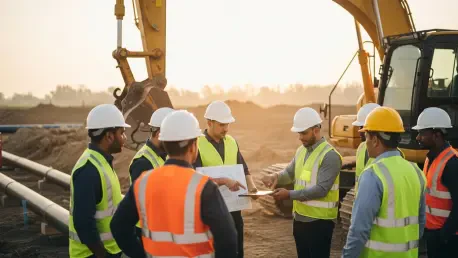
Field leaders at W. A. Rasic prioritize the establishment of a meticulous daily routine that begins long before the first shovel hits the ground or a crane begins its lift. Every morning, crews engage in intensive tailboard meetings where the specific hazards of the day are scrutinized with surgical precision. These sessions are not perfunctory; they are essential forums where job hazard analyses are reviewed and updated to reflect the shifting conditions of a dynamic construction site. When supervisors identify a potential threat, such as an unstable trench wall or an unverified electrical line, they possess the absolute authority to halt production immediately. This empowerment is crucial because it removes the pressure of project timelines in favor of human life. By treating these pre-work evaluations as non-negotiable prerequisites, the leadership ensures that safety remains the primary metric of success. This rigorous approach prevents the normalization of deviance.
Maintaining the integrity of these safety protocols requires a constant presence and a keen eye for subtle changes in the work environment that might indicate a developing risk. Supervisors are trained to recognize that even the most well-conceived safety plan must be adaptable to the unpredictable nature of heavy civil engineering. Whether dealing with deep excavations in urban centers or installing complex pipeline systems, the ability to pivot and reassess is what prevents accidents from occurring. This high level of situational awareness is fostered through continuous training and a clear mandate from upper management to prioritize site safety over the speed of completion. When a foreman stops a job due to a perceived hazard, they are not seen as an obstacle to progress but as a guardian of the company’s most valuable assets. This localized decision-making power bridges the gap between the boardroom’s vision and the field’s reality, creating a seamless safety net.
Fostering Accountability and a Supportive Work Environment
In the construction industry, where respect is earned through competence and consistency, the personal conduct of a field leader serves as the most powerful instructional tool available. Foremen and supervisors at W. A. Rasic understand that their adherence to safety regulations sets the tone for the entire crew’s behavior during the shift. If a leader consistently wears the required personal protective equipment and follows lockout-tagout procedures without exception, they demonstrate that these rules are fundamental to the job. This behavioral modeling eliminates the “do as I say, not as I do” mentality that can undermine even the most robust safety programs. When workers see their superiors treating safety with genuine gravity, they are far more likely to internalize those values themselves. This creates a standard of professional conduct where safety is not an external imposition but an inherent part of the trade. The result is a workforce that holds itself to a higher standard of care.
The commitment to a safer job site extended into the psychological and social realms, where leaders focused on fostering accountability and maintaining high team morale. By monitoring for signs of fatigue and stress, supervisors ensured that the human element was prioritized alongside technical accuracy throughout the construction process. This holistic strategy provided actionable insights into how peer-to-peer feedback systems could be leveraged to identify emerging hazards before they resulted in physical incidents. Furthermore, the organization implemented rigorous training programs that empowered every individual to speak up without hesitation, solidifying a culture of mutual responsibility. These next steps involved integrating more granular data analysis into daily reports to track the efficacy of safety interventions in real time. This legacy of proactive leadership served as a model for the wider industry to emulate, ensuring that safety remained the top priority.