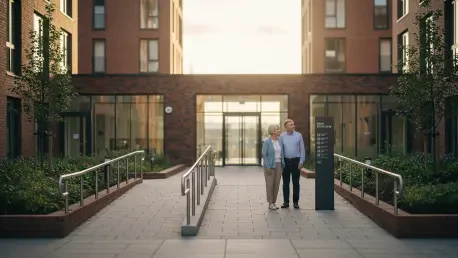

The UK is witnessing an unprecedented shift where the dream of homeownership in retirement is rapidly being replaced by the precarious reality of long-term private renting for a growing segment of the population over sixty-five. Unlike previous generations that benefited from the post-war housing boom and relatively affordable mortgages, a significant portion of the current workforce is entering their senior years without the security of a paid-off asset. This demographic evolution is placing immense pressure on a private rental sector that was originally designed for young professionals and mobile workers, rather than individuals with declining mobility and fixed pension incomes. As of 2026, the number of older households in the private sector continues to climb, yet the physical infrastructure and legal protections required to support them remain largely stagnant. This disconnect creates an environment where many seniors face the threat of financial instability and unsuitable living conditions during their most vulnerable years.
Physical Infrastructure: Structural Barriers to Senior Living
One of the most significant challenges facing older tenants is the sheer lack of age-appropriate modifications within the existing private rental stock across major cities like London, Manchester, and Birmingham. Most rental properties are owned by individual buy-to-let landlords who may be hesitant or financially unable to invest in expensive adaptations such as wet rooms, stairlifts, or wider doorways required for wheelchair access. Consequently, many seniors find themselves trapped in homes that gradually become navigateable obstacle courses as their physical health declines over time. Even when a tenant is willing to pay for these changes themselves, the current legislative framework often allows landlords to refuse such modifications without a substantial reason. This lack of physical suitability frequently forces older individuals into specialized care facilities prematurely, which strips them of their independence and places a heavier burden on social services that are already stretched to their limit.
Beyond physical accessibility, the financial architecture of the UK rental market is fundamentally at odds with the fixed-income nature of retirement for those who do not own their homes. While private rents continue to outpace inflation in 2026 and 2027, the state pension and local housing allowances often remain frozen or fail to track the actual cost of living in desirable or safe areas. This disparity leads to a situation where a staggering percentage of a retiree’s monthly income is consumed by housing costs, leaving little for heating, nutrition, or healthcare-related expenses. The threat of no-fault evictions under Section 21, although under constant debate, still haunts many older tenants who fear that complaining about dampness or requesting repairs might lead to a sudden notice to vacate. For a person in their seventies, the prospect of finding a new home and physically moving belongings is not just a logistical hurdle but a profound trauma that can lead to a rapid deterioration in physical health.
Legislative Reform: Path Toward a More Equitable Strategy
Addressing this systemic failure requires a multi-faceted approach that moves beyond temporary subsidies and toward permanent structural reforms within the national housing policy framework. Legislative bodies must consider the implementation of longer-term, lifetime tenancies for renters over a certain age to provide the same level of security that mortgage-free homeownership once guaranteed. Such a shift would require a new category of rental agreement that limits the grounds for eviction and provides predictable, capped rent increases tied specifically to pension growth rather than market speculation. Furthermore, the government could incentivize large-scale institutional investors, such as pension funds and insurance companies, to develop build-to-rent schemes specifically tailored for the elderly. These developments would integrate onsite health support and social spaces, creating a hybrid model that bridges the gap between independent living and assisted care. By focusing on high-quality rental options, the UK could begin to alleviate the acute anxiety felt by its aging citizens.
Ultimately, the transformation of the rental market into a space that respects and accommodates the needs of an aging population depended on a fundamental shift in how society perceived the rights of tenants. Policy makers and urban planners worked to integrate universal design principles into all new residential developments, ensuring that every home was built with the potential for future accessibility needs in mind. Tax incentives were successfully introduced for private landlords who undertook significant age-related renovations, turning a potential liability into a mutually beneficial asset improvement. Local councils also took a more proactive role by establishing dedicated support units to help older renters navigate disputes and secure essential repairs without the fear of retaliation. As the housing landscape evolved, it became clear that the security of a home should not be a privilege. Through the combination of stricter regulatory oversight, the foundation was laid for a rental system that finally recognized its residents.