
Standing at the front door while fumbling with a glitchy smartphone app or a frozen touchscreen is a frustrating reality that has soured many homeowners on the promise of the connected home. While the broader technology market continues to push for ever-increasing complexity and futuristic aesthetics, a growing segment of consumers is actively retreating toward hardware that prioritizes fundamental utility over digital novelties. This shift in preference has paved the way for devices like the Schlage Arrive, an electronic deadbolt that deliberately bypasses the “tech fatigue” currently plaguing the industry. By focusing on a “set it and forget it” philosophy, this lock aims to serve as a dependable guardian of the home rather than another high-maintenance gadget requiring constant software updates and troubleshooting. The design philosophy here suggests that true innovation in home security is not about how many features can be packed into a chassis, but how seamlessly those features can fade into the background of a family’s daily existence.
Efficiency in Installation and Connectivity
The prospect of dismantling a primary entry point and wrestling with complex wiring or alignment issues often discourages homeowners from upgrading to smart security solutions. To address this barrier, the Schlage Arrive features a physical design specifically engineered for a stress-free, one-person installation that typically requires less than twenty minutes from start to finish. A standout mechanical feature is the exterior assembly’s ability to grip the door as it is inserted, which effectively eliminates the common struggle of trying to hold two heavy metal components steady while simultaneously driving screws. This thoughtful engineering ensures that even those with minimal DIY experience can achieve a professional-grade fit using only a standard Phillips head screwdriver. By simplifying the mechanical foundation, the device removes the initial friction that frequently leads to consumer frustration or the added expense of hiring a professional locksmith for a standard deadbolt replacement.
Moving beyond the physical setup, the digital integration of the hardware follows a similarly streamlined path that avoids the need for additional networking equipment. Unlike many competing smart locks that require a dedicated bridge or a secondary hub plugged into a router, the Arrive is equipped with built-in Wi-Fi that connects directly to a home network. This internal radio simplifies the domestic digital landscape and reduces potential points of failure within the smart home ecosystem. Once the four AA batteries are installed—providing a reliable power source for approximately six months—the user simply scans a unique setup code via the Schlage Home app to finalize the link. This direct-to-cloud approach ensures that remote access and status notifications are available immediately after installation, bypassing the intricate pairing rituals and gateway configurations that often characterize less refined smart home products.
The Practical Advantages of Tactile Design
In a market saturated with sleek glass touchscreens that mimic the appearance of high-end smartphones, the decision to utilize raised rubber buttons on the Arrive represents a significant pivot toward functional ergonomics. These physical keys provide definitive tactile feedback, which is an essential feature for users who require sensory confirmation of a successful input, such as children returning from school or elderly residents with diminishing fine motor skills. Touchscreens can be notoriously temperamental, often failing to register a tap if the surface is slightly dirty or if the user’s fingers are cold. By sticking with a physical keypad, Schlage ensures that the lock remains fully operational regardless of who is using it or the specific circumstances of the moment. This commitment to traditional interaction methods highlights a deep understanding of how people actually move through their front doors on a daily basis.
Environmental versatility is another area where the tactile design of the keypad proves its worth over modern glass alternatives. Touch-sensitive surfaces frequently struggle with input registration in adverse weather conditions, such as during heavy rain or in the extreme cold when users are wearing thick gloves. The Arrive’s rubber buttons bypass these capacitive limitations entirely, remaining responsive and easy to manipulate in any climate. Furthermore, the textured surface provides a subtle but critical security advantage regarding privacy and code protection. Glass screens are prone to retaining oily fingerprint smudges and visible residue patterns that can inadvertently reveal the most frequently used numbers to a sophisticated intruder. The durable, non-reflective rubber material does not hold these identifying marks, ensuring that the secrecy of the access code is maintained over years of constant use without the need for frequent cleaning.
Sophisticated Access Control for Every Scenario
Despite its outward appearance of simplicity, the software backend of this electronic deadbolt offers a level of control that rivals much more expensive professional systems. The device supports up to 250 unique access codes, which can be individually managed and scheduled through a centralized mobile interface. This high capacity makes the lock an ideal solution for a diverse range of living situations, from busy suburban households to high-turnover short-term rental properties. For example, a homeowner can generate a one-time code for a delivery driver that expires immediately after use, or set a recurring schedule for a weekly cleaning service that only permits entry during a specific four-hour window on Tuesdays. This granular level of authorization provides peace of mind by ensuring that digital keys are only active when they are strictly necessary, effectively minimizing the window of vulnerability for the property.
The management experience is further enhanced by real-time connectivity, which transforms the lock from a passive barrier into an active monitoring tool. Through the integrated mobile application, users receive immediate push notifications whenever the door is locked or unlocked, allowing them to stay informed about the arrivals and departures of family members or service providers. This digital audit trail is invaluable for parents who want to know exactly when their children get home or for property managers who need to verify that a maintenance crew has completed their tasks. Moreover, the ability to check the lock status remotely eliminates the common anxiety of wondering if the door was secured after leaving for work. By combining these advanced scheduling and notification features with a user-friendly interface, the system provides a high degree of security without the administrative burden typically associated with multi-user access management.
Industrial-Strength Security and Durability
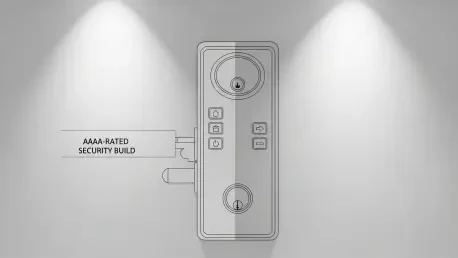
The technological conveniences of a smart lock are ultimately secondary to its primary mission of providing physical protection against forced entry and mechanical failure. To this end, the Schlage Arrive is built to meet the rigorous standards of the Builders Hardware Manufacturers Association (BHMA), earning a AAA rating in security, durability, and finish. This is the highest possible grade for residential hardware, indicating that the unit has undergone exhaustive laboratory testing to ensure it can withstand repetitive mechanical cycles and aggressive physical attacks. The construction utilizes high-quality alloys and a reinforced internal chassis designed to resist drilling and picking. By anchoring the smart features to a foundation of industrial-strength hardware, the manufacturer ensures that the convenience of keyless entry does not come at the expense of the home’s structural integrity or the safety of its inhabitants.
Further bolstering its defensive capabilities, the installation kit includes three-inch security screws and a heavy-duty reinforced strike plate. These components are critical because they allow the deadbolt to be anchored deep into the wall studs of the house rather than just the thin wooden trim of the door frame, significantly increasing resistance to kick-in attempts. While many smart locks focus purely on the electronic aspects of security, this comprehensive approach addresses the most common physical vulnerabilities of a standard entryway. Additionally, the inclusion of a traditional cylinder provides a mechanical fail-safe that serves as a vital backup. If the batteries were to fail or if a rare electronic glitch occurred, the resident could still gain entry using a standard physical key. This dual-layered approach ensures that the homeowner is never truly locked out, maintaining a balance between modern innovation and time-tested mechanical reliability.
Understanding the Essential Trade-offs
Choosing the right smart lock often involves a careful evaluation of which features are essential and which are merely decorative or supplementary. To maintain an accessible price point of $199—which is significantly lower than many flagship models—certain secondary sensors and integrations were omitted from the Arrive. For instance, the unit does not include a built-in tamper alarm that would trigger an audible siren if the door were struck with force. It also lacks a dedicated door-position sensor, meaning the “auto-lock” feature functions on a simple timer rather than detecting if the door is actually closed. While these features provide an extra layer of intelligence, their absence is often a calculated trade-off for users who prefer a more straightforward device that is less prone to false alarms or calibration issues. This focused feature set allows the hardware to excel at its core functions while remaining affordable for the average household.
Another consideration for potential buyers is the device’s compatibility within specific brand ecosystems, particularly for those who rely heavily on mobile devices for home automation. While the lock integrates seamlessly with major platforms like Amazon Alexa and Google Home for voice commands and routine automation, it does not currently support Apple Home Key. This means that iPhone and Apple Watch users cannot unlock the door by simply tapping their device against the lock via Near Field Communication (NFC). For users who are deeply embedded in the Apple ecosystem and prioritize the “tap-to-unlock” experience, this might be a notable limitation. However, for the vast majority of homeowners who are comfortable using a keypad or a standard mobile app, the lack of NFC support is a minor inconvenience compared to the unit’s overall dependability and robust physical build quality. These omissions represent a move away from niche “pro” features toward a more universal and reliable product.
A Pragmatic Choice for Modern Homeowners
The Schlage Arrive succeeded in proving that the most effective home technology is often the kind that requires the least amount of active management from the user. By prioritizing tactile buttons over temperamental touchscreens and simplifying the Wi-Fi connection process, the designers created a product that solves real-world problems without introducing new digital headaches. This lock serves as a reminder that the goal of home automation should be to enhance security and convenience through reliability rather than through the pursuit of novelty for its own sake. For families looking for a durable, high-security solution that “just works” every time, this deadbolt offers a compelling alternative to the overly complex models that dominate much of the current market. Its high industry ratings and user-centric design make it a standout choice for anyone seeking a more grounded approach to modern home security.
For those considering an upgrade to their home’s entry points, the path forward involves focusing on the long-term durability of the hardware rather than the immediate flashiness of the software. Homeowners should evaluate their specific needs regarding user access and environmental conditions, as the Arrive’s physical keys and robust weather resistance provide clear advantages in varied climates. Moving away from a “connected everything” mindset toward a “connected where it counts” strategy allows for a more stable and secure living environment. Future considerations for smart home expansion should prioritize devices that offer local control and standardized ratings, ensuring that the technology remains an asset rather than a liability. Ultimately, the transition toward more practical and resilient hardware like the Arrive suggests a future where smart homes are defined by their seamlessness and their ability to protect what matters most with minimal intervention.