
The persistent challenge of maintaining workplace safety has undergone a radical transformation as the adoption of interconnected smart sensors moves beyond experimental phases into standard operational protocols across global industrial sectors. This shift represents a fundamental departure from traditional reactive safety models where measures were often implemented only after a significant incident had occurred. In the current landscape of 2026, facilities are utilizing an intricate web of Internet of Things devices that provide a continuous stream of data regarding air quality, equipment health, and employee vitals. These systems do more than just sound alarms; they establish a baseline of operational normalcy that allows for the detection of subtle deviations before they escalate into life-threatening emergencies. By integrating these advanced technologies, organizations are fostering an environment where safety is an active, data-driven conversation rather than a static list of compliance requirements.
Real-Time Environmental Monitoring: From Detection to Prevention
Atmospheric hazards represent one of the most significant risks in confined spaces and chemical processing plants, yet the legacy approach of periodic manual testing often left workers vulnerable to sudden changes in air composition. Modern smart sensors, particularly those utilizing photoionization detection and electrochemical sensing, now offer a persistent layer of protection by constantly scanning for volatile organic compounds and toxic gases at the parts-per-billion level. Unlike their predecessors, these devices are networked to cloud-based platforms that visualize hazardous plumes in real-time, allowing safety officers to map risk zones dynamically as environmental conditions shift. This capability is especially critical in large-scale operations where weather patterns or ventilation failures can quickly turn a routine task into a hazardous scenario. Furthermore, the integration of ultrasonic acoustic sensors allows for the detection of high-pressure leaks that are often invisible to the human ear.
The transition toward a proactive safety culture is further strengthened by the way these environmental sensors communicate with industrial control systems to trigger automated mitigation strategies. When a sensor detects a rise in combustible dust or gas concentrations beyond a predetermined safety threshold, it can automatically engage secondary ventilation systems or shut down localized power grids to prevent ignition. This immediate response removes the element of human hesitation or error from the initial phase of emergency management, providing a critical buffer that saves lives. Moreover, the historical data harvested from these sensors enables site managers to identify recurring “hot spots” where minor leaks or venting issues occur frequently. Instead of simply repairing a failed valve, maintenance teams can use this longitudinal data to overhaul systemic weaknesses in the facility design. This evolution ensures that the physical workspace is constantly adapting to the safety needs of the personnel.
Wearable Technology and Strategic Resilience: Empowering the Modern Workforce
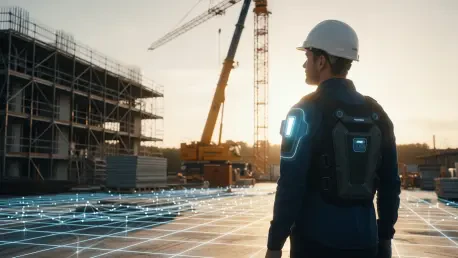
Individual safety is no longer a matter of general site protocols but has become a personalized experience through the widespread implementation of wearable smart devices that monitor physiological indicators. These tools, ranging from smart vests to sensor-integrated helmets, track heart rate, body temperature, and even perspiration levels to provide a real-time assessment of heat stress and physical fatigue. In high-temperature environments like foundries or outdoor construction sites, these wearables send immediate haptic alerts to the worker and the supervisor when biometric thresholds are exceeded. This granular level of monitoring prevents common but dangerous occurrences like heatstroke, which are often preceded by symptoms that individuals might ignore in a high-pressure environment. By providing objective data on a physical state, companies can mandate breaks based on actual physiological need rather than arbitrary intervals, thereby significantly reducing the likelihood of fatigue-related accidents.
As industrial operations embraced these technological advancements, the focus shifted toward establishing a sustainable framework for long-term safety excellence and operational resilience. Organizations that successfully integrated smart sensors into their daily workflows moved away from a culture of compliance and toward one of genuine care and prevention. To maintain this momentum, stakeholders prioritized the continuous training of personnel to interpret sensor data correctly and encouraged a collaborative approach to safety management. Leaders invested in open-architecture systems that allowed for the seamless integration of new sensor types as technology continued to evolve. This strategic alignment between technological capability and human insight created a workplace where risks were managed with surgical precision rather than broad, inefficient strokes. Ultimately, the adoption of these proactive measures transformed safety from a cost center into a core competitive advantage that protected the most valuable asset of any organization.