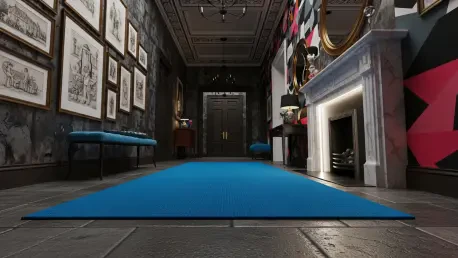

The prevailing landscape of domestic architecture has undergone a radical transformation as homeowners increasingly reject the sterile, monochromatic aesthetic of the past decade in favor of environments that resonate with deep emotional significance and historical narrative. This shift represents a broader cultural movement toward authenticity, where the primary objective of a residence is no longer to mimic a sanitized showroom but to serve as a living chronicle of the inhabitants’ lives and legacies. By blending the structural integrity of historical periods with the refined comforts of modern luxury, contemporary designers are crafting spaces that feel both timeless and profoundly personal. This approach prioritizes a ‘storied’ aesthetic, where every piece of furniture and architectural detail is chosen not for its adherence to a fleeting trend, but for its ability to contribute to a cohesive, meaningful atmosphere. Consequently, the home has evolved into a curated gallery of experiences, reflecting a sophisticated balance between honoring ancestral heritage and embracing functional innovation.
The Psychological Impact: Curated Color and Tactile Engagement
Modern design strategies have moved beyond mere visual appeal to embrace the principles of emotional intelligence, where the success of an interior is measured by the specific psychological state it fosters within its occupants. Color is no longer viewed simply as a decorative choice; instead, it is utilized as a precision tool for mood regulation, with deep ochres and forest greens employed to ground the senses, while ethereal blues and soft violets provide a much-needed sense of tranquility. This method treats the home as a sanctuary of mental well-being, where the interaction between light and hue is carefully calibrated to counteract the stresses of an increasingly digital world. By understanding the subconscious impact of different color temperatures, designers are able to curate environments that can either energize a social space or provide profound stillness in a private retreat. This intentionality ensures that every room serves a distinct emotional purpose, making the residence a true reflection of the resident’s inner landscape.
Complementing the strategic use of color is a renewed focus on tactile engagement, where the physical sensation of materials plays a critical role in establishing a sense of safety and belonging. The current preference for rich, sensory textures—such as raw silks, weathered stone, and hand-rubbed timber—addresses a fundamental human need for tangible connection in a world that often feels ephemeral. These materials are selected for their ability to age gracefully, acquiring a patina that tells a story of daily use and shared history, further reinforcing the bond between the individual and their physical surroundings. When a room successfully integrates these elements, it transcends the traditional boundaries of architecture to become a proactive participant in the occupant’s emotional health. This holistic perspective views the selection of a rug or a wall covering as an investment in long-term psychological comfort rather than a superficial upgrade. Therefore, the sensory experience of a home is now considered just as vital as its structural floor plan.
Historical Revival: Merging Classic Architecture with Modern Maximalism
The resurgence of interest in classical architectural styles has paved the way for the future heritage movement, which seeks to revitalize the ornate details of the Victorian and Jacobean eras for a contemporary audience. This design philosophy focuses on preserving the structural integrity and decorative flourishes of the past—such as intricate cornices and wood paneling—while stripping away the stuffiness often associated with historical interiors. By introducing bold, saturated palettes and streamlined furniture, designers can highlight the craftsmanship of previous centuries without making the space feel like a dusty museum. This approach ensures that historical homes remain relevant and vibrant, bridging the gap between old-world charm and high-performance modern living. It allows for a dialogue between different timelines, where a centuries-old fireplace can coexist harmoniously with cutting-edge lighting solutions and smart home technology. The result is a residence that honors the craftsmanship of the past while providing the efficiency and comfort required today.
In tandem with this historical revival is the emergence of a confident more is more ethos, which replaces the limitations of minimalism with a celebration of the layered, maximalist home. This trend encourages individuals to curate their spaces with an eclectic mix of patterns, textiles, and inherited artifacts that collectively articulate a personal narrative. Unlike the standardized looks of the previous era, this maximalist approach celebrates the beauty of imperfection and the richness of a life well-lived through the display of curated collections. Homeowners are now empowered to experiment with clashing motifs and diverse cultural influences, creating interiors that are unique works in progress rather than static displays. By prioritizing character over conformity, these spaces become authentic reflections of the people who inhabit them, offering a level of warmth and visual interest that mass-produced designs simply cannot replicate. This movement emphasizes that a home should be a repository of memories, where every object has a reason for its placement.
Global Inspiration: Resort-Style Living and the Priority of Function
The influence of international travel has become a dominant force in high-end residential design, as people look to replicate the immersive, restorative atmosphere of luxury resorts within their primary residences. Inspiration is being drawn from the sun-drenched palettes of the Mediterranean and the laid-back sophistication of global destinations like Ibiza or the French Riviera, resulting in homes that feel like permanent escapes. This aesthetic relies on the use of natural light, airy textiles, and artisanal details that evoke a sense of adventure and leisure, effectively blurring the lines between vacation and daily life. It is not merely about replicating a look, but about capturing the specific feeling of ease and indulgence found in world-class hospitality venues. By integrating these global influences, designers are able to infuse urban homes with a sense of escapism that provides a mental break from the routine of professional obligations. This trend highlights a desire for homes to serve as vibrant hubs where work and play are defined by the environment.
The transition toward these deeply personal and historically informed spaces reflected a broader societal desire for permanence and meaning. Stakeholders in the design industry recognized that the most successful projects were those that anticipated the emotional needs of residents while providing a robust structural framework. It was observed that homeowners who invested in high-quality, artisanal pieces rather than mass-market furniture achieved a higher level of long-term satisfaction. Experts recommended that individuals begin their design process by identifying core emotional objectives for each room before selecting specific color palettes. By documenting the history of a building and integrating those findings into a modern layout, designers ensured the home served as a bridge between generations. This focus on utility and emotion provided a clear roadmap for creating environments that remained relevant. Ultimately, the legacy of this era was defined by homes that were as resilient as they were soulful.