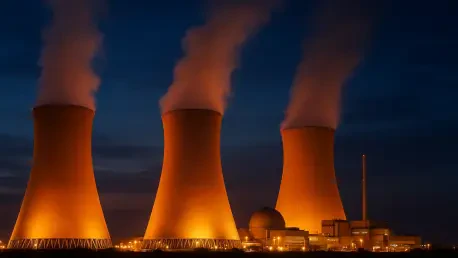

The rapid expansion of artificial intelligence and the proliferation of massive data centers are fundamentally reshaping the American energy landscape, pushing the current power grid toward a breaking point that only high-capacity nuclear generation can truly mitigate. As the nation grapples with an unprecedented surge in electricity demand, the search for a reliable, carbon-free baseline has led the industry back to a familiar but evolved solution. The strategic outlook for nuclear construction is no longer a matter of peripheral interest but a central component of national infrastructure planning. By examining how technological shifts and federal support are positioning this sector, a clearer picture emerges of a cornerstone for the future energy mix. Analyzing the current market trajectory reveals whether nuclear energy is merely a supplementary tool or the essential key to a stable and sustainable power grid.
Foundations of the Nuclear Revival and Historical Context
Understanding the current momentum behind nuclear energy requires a look at the historical transition away from fossil fuels and the resulting gaps in the energy sector. For decades, coal-fired plants provided the “always-on” generation necessary to sustain the economy, but as these aging assets reach the end of their operational lives in 2026 and beyond, a massive void is being left in the grid. While the rise of renewables like wind and solar has been a significant step toward decarbonization, these sources are inherently intermittent and cannot yet provide the steady, high-volume baseline power required by a modern digital society.
Past developments in the nuclear sector were often hindered by significant cost overruns and public skepticism; however, the present landscape is defined by a renewed sense of urgency. Today’s industry is shaped by a shift toward more manageable, scalable technologies and a regulatory environment that is increasingly focused on energy security and climate goals. This historical pivot marks the end of an era of fossil fuel dominance and the beginning of a phase where carbon-free reliability is the primary metric of success. The lessons learned from previous construction delays are now being applied to streamline the deployment of the next generation of reactors.
Strategic Drivers and Technological Innovations
Bridging the Gap: Diverse Reactor Designs
One of the most significant shifts in the nuclear sector is the departure from a rigid mentality regarding reactor construction. The industry is moving toward a diversified portfolio that includes large-scale reactors for massive grid support, Small Modular Reactors (SMRs) for scalable and flexible deployment, and microreactors for specialized applications like remote industrial sites or military bases. This technological variety allows utilities to match specific power solutions to their unique geographical and economic needs, ensuring that no market is left underserved by the transition to clean energy.
By treating nuclear technology like a versatile fleet of vehicles—ranging from high-capacity reactors to specialized units—the industry is effectively lowering the barrier to entry for diverse markets. This approach ensures that carbon-free power can be deployed precisely where it is needed most, whether in dense urban centers or isolated industrial hubs. The flexibility of these designs also mitigates the financial risks associated with traditional, massive-scale projects, allowing for a more incremental and sustainable investment strategy.
The Role of Federal Support: Economic Incentives
The revitalization of nuclear power is being propelled by significant federal catalysts that provide both financial and regulatory stability. The Department of Energy has committed billions of dollars in loans to support the development of new reactors, while the Nuclear Regulatory Commission is beginning to issue construction permits for innovative ventures backed by private capital. These economic incentives are crucial for overcoming the high initial costs associated with first-of-a-kind technologies that often deter private investors.
By providing a financial and regulatory safety net, the government is encouraging private contractors to scale their operations, leading to a projected growth in nuclear revenue and infrastructure investment across the country. These federal programs act as a bridge, allowing the industry to reach a level of maturity where commercial viability becomes self-sustaining. This collaboration between the public and private sectors is essential for maintaining a competitive edge in the global energy market while meeting domestic climate targets.
Overcoming Constraints: Supply Chain and Labor
While the vision for a nuclear-powered future is ambitious, it faces the practical realities of a strained global supply chain and a specialized labor market. The nuclear industry operates under extremely rigorous quality assurance standards that far exceed those of standard commercial construction. To address the shortage of certified nuclear components, leading contractors are adopting a strategy known as commercial-grade dedication. This involves sourcing high-quality materials from the commercial market and subjecting them to intensive in-house testing to meet safety standards.
Furthermore, maintaining a stable workforce requires a proactive approach to labor dynamics, involving close coordination with national building trades to ensure that the next generation of skilled workers is prepared for the complexities of nuclear construction. By investing in specialized training and clear organizational support, the industry aims to preemptively address workforce gaps. This strategic focus on supply chain self-reliance and labor stability is viewed as an imperative for the industry’s sustained growth over the coming decade.
The Future of the Nuclear Industry: Emerging Trends
Looking ahead, the evolution of the nuclear sector will likely be defined by increased integration and the perfection of a streamlined approach to engineering, procurement, and construction. Experts predict that the successful projects of the future will be those that break down the silos between engineers, utilities, and regulators. We are also likely to see a shift toward more standardized, factory-built reactor components, which will reduce onsite construction time and minimize the risks of cost overruns.
As the demand from tech giants continues to grow, private-sector partnerships may emerge where these companies directly fund nuclear projects to guarantee a steady stream of clean energy for their operations. This trend toward “behind-the-meter” nuclear power could revolutionize how large-scale industrial consumers secure their energy needs. The integration of advanced digital twins and real-time project management software will further enhance the efficiency of construction, making nuclear power a more attractive and predictable investment for long-term grid stability.
Practical Insights: Strategic Recommendations
For stakeholders looking to navigate this resurgence, the key takeaway is that nuclear power is transitioning from a niche energy source to a primary industrial driver. Businesses and utilities should prioritize early engagement with experienced contractors who understand the nuances of nuclear quality standards and regulatory compliance. Investing in workforce development and securing long-term supply chain partnerships will be essential for avoiding the bottlenecks that have plagued past projects in the energy sector.
Furthermore, professionals in the energy sector should stay informed about the latest developments in modular units, as these offer a more accessible entry point for regional grids than traditional large-scale plants. Strategies should focus on site selection that leverages existing infrastructure, such as retired coal plants, to reduce the time and cost of grid interconnection. By adopting a proactive and integrated planning model, stakeholders can capitalize on the shifting energy landscape and ensure they are positioned to benefit from the nuclear expansion.
Conclusion: Securing America’s Energy Independence
The resurgence of nuclear power represented a fundamental shift in how the American energy grid was conceived and constructed. It was driven by the dual pressures of climate change and an insatiable demand for reliable electricity, moving the industry away from intermittent sources toward a more stable baseline. The integration of diverse reactor technologies, supported by federal backing and innovative supply chain strategies, proved that the industry was better prepared for growth than in previous decades. This strategic trajectory indicated that by embracing technological innovation and organizational excellence, the nation could secure a resilient energy future.
Moving forward, the primary focus must remain on the standardization of reactor designs to drive down costs through repeatable manufacturing processes. Decision-makers should actively pursue cross-industry collaborations between the technology sector and utility providers to co-fund the next wave of modular reactor deployments. Such partnerships will not only accelerate the path to a carbon-free grid but also provide the high-density power required for the next stage of the digital revolution. The path to energy independence now lies in the ability to scale these proven nuclear solutions with the speed and efficiency demanded by the modern economy.