
The construction of a modern residence represents one of the most complex human endeavors, requiring the seamless synchronization of hundreds of moving parts, thousands of regulations, and millions of dollars in capital investment. While other industries have rapidly adopted generative models and machine learning to streamline operations, the residential construction sector remained cautious for years due to the physical risks and legal liabilities inherent in structural engineering. However, the current landscape has shifted significantly, forcing developers to look toward artificial intelligence as a potential solution to labor shortages and skyrocketing material costs that threaten the viability of new housing projects. This transition is not merely about replacing human oversight with algorithms but involves a fundamental reimagining of how a building evolves from a digital concept into a physical shelter. The stakes are high, as a single error in an AI-generated blueprint could lead to catastrophic failure for the stakeholders involved.
Bridging the Gap: Digital Design and Physical Reality
The Precision: Automated Drafting Systems
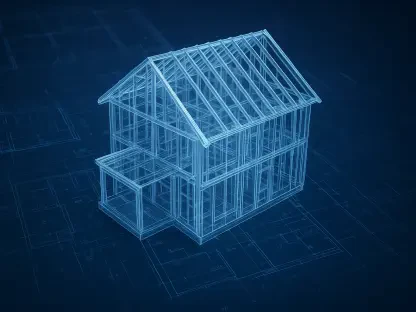
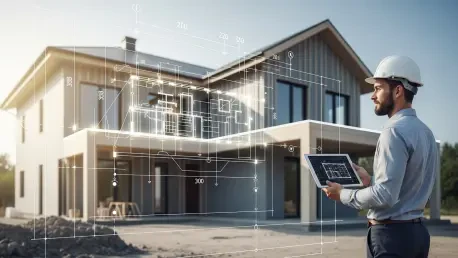
Architects are now leveraging generative design tools that can produce thousands of floor plan iterations in the time it once took a human designer to sketch a single preliminary concept. These advanced systems analyze zoning laws, environmental factors, and client preferences to optimize for energy efficiency and spatial utility while ensuring every wall and joist meets stringent building codes. By processing vast datasets of historical construction successes and failures, AI helps prevent common design flaws that lead to costly delays during the framing phase. The software operates by simulating structural loads under various conditions, allowing engineers to visualize how a building will settle or respond to seismic activity before a single shovel hits the ground. This level of predictive modeling offers a degree of certainty that was previously unattainable, yet the transition requires a massive shift in how design professionals interpret the data provided by these automated assistants.
The Human Element: Supply Chain Optimization
Material procurement has become an increasingly volatile aspect of the building process, with prices for timber, steel, and concrete fluctuating wildly based on global economic shifts and logistics bottlenecks. To combat this uncertainty, homebuilders are integrating AI-driven procurement platforms that monitor global trade data, shipping schedules, and regional inventory levels in real time to predict price spikes. These systems can automatically trigger purchase orders when costs hit a specific threshold or suggest alternative materials when traditional supplies face delays. By optimizing the timing of deliveries, companies can reduce the amount of capital tied up in inventory and minimize the risk of theft or damage to materials sitting idle on unsecured job sites. This proactive approach allows builders to maintain tighter margins and provide more accurate quotes to homeowners who are often wary of the cost-plus contracts that have become standard in an era of unpredictable inflation.
Navigating Complexity: Onsite Construction Dynamics
Workforce Evolution: Robotic Integration and Safety
The physical labor of homebuilding is undergoing a transformation as autonomous masonry systems and robotic framing crews begin to appear on more residential sites across the country. These machines are designed to handle repetitive and physically demanding tasks, such as laying bricks with millimeter precision or installing heavy drywall panels, which reduces the strain on human workers and accelerates the construction timeline. Integrated AI sensors monitor these robotic units to ensure they operate within safety parameters, stopping immediately if a human worker enters their path or if a structural misalignment is detected. This technological shift is particularly valuable in regions facing extreme heat or severe labor shortages, where keeping a project on schedule would otherwise be impossible. By automating the dirty and dangerous aspects of the job, developers hope to attract a new generation of tech-savvy workers who are more interested in managing high-tech machinery.
Practical Reliability: Structural Health Monitoring
Stakeholders recognized that the integration of artificial intelligence into the homebuilding process required a nuanced approach that prioritized safety and reliability over mere speed. Industry experts concluded that while algorithms excelled at data processing and predictive modeling, they remained dependent on the intuition and ethical judgment of human professionals. Developers implemented hybrid models where AI handled the logistical and computational heavy lifting, while master builders focused on quality control and the nuances of site-specific challenges. This collaborative strategy reduced the frequency of structural errors and helped stabilize construction costs for the first time in several years. Ultimately, the successful adoption of these technologies hinged on the ability of the industry to maintain its core values of craftsmanship and accountability. Leaders determined that the best path forward involved investing in workforce training to ensure that the next generation of builders could master both the hammer and the headset.