
The massive infusion of capital into East London signals a pivotal shift in how local authorities approach the crumbling foundations of urban residential infrastructure during this decade. This five hundred million pound investment in Tower Hamlets represents more than just a repair bill; it is a fundamental reimagining of the borough’s housing strategy. By prioritizing long-term asset management over the temporary fixes of the past, the council is aligning its objectives with the broader London residential sector’s need for sustainable growth.
Strategic collaboration remains at the heart of this endeavor, drawing together local authorities, social housing residents, and specialist contractors in a unified effort. The significance of upgrading aging building stock to meet modern living standards cannot be overstated, as these structures form the backbone of the community. Transitioning toward a proactive maintenance model ensures that these assets remain viable for the next generation of residents.
Modernization Trends and Financial Projections for the Housing Sector
Emerging Technologies in Retrofitting and Fire Safety Compliance
Technological integration is now the cornerstone of successful retrofitting projects, especially as fire safety compliance becomes increasingly rigorous across the United Kingdom. Modernizing these estates involves installing advanced fire-prevention systems alongside smart building monitors that allow for real-time oversight of structural health. This transition from reactive repairs to predictive maintenance through infrastructure overhauls reduces long-term costs while significantly increasing resident safety.
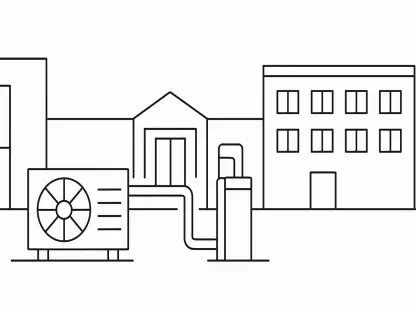
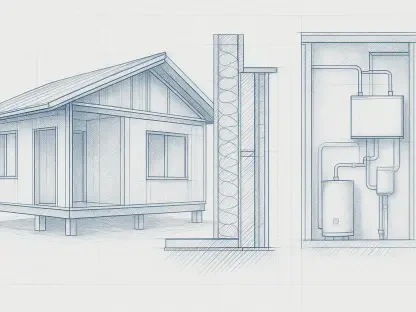
Energy-efficient retrofitting plays an equally vital role in meeting modern sustainability goals within the public sector. Integrating high-performance insulation and modernized heating systems helps reduce the carbon footprint of high-density housing. These advancements ensure that public infrastructure not only meets current safety mandates but also contributes to the broader environmental targets set by national policy.
Market Growth Indicators and the 14-Year Investment Horizon
The fourteen-year investment horizon stretching toward 2041 provides an unprecedented level of visibility for construction firms and material suppliers alike. Such long-term procurement frameworks offer a rare sense of stability in a market often characterized by fluctuating demand. This foresight allows contractors to plan their resource allocation with confidence, ensuring that the residential maintenance sector remains a robust pillar of the local economy.
Economic impact assessments suggest that this sustained spending will stimulate growth across the construction and estate renewal sectors. Firms that secure positions within the eight-contract structure can expect a steady pipeline of work that supports workforce development and technological investment. This framework effectively bridges the gap between immediate repair needs and the long-term vision of a modernized urban landscape.
Navigating the Obstacles of Large-Scale Estate Regeneration
Managing the modernization of high-density estates while residents remain in their homes presents a complex puzzle of logistics and community relations. Engineers must navigate the physical constraints of aging structures that were not originally designed for modern technological upgrades. Balancing the need for high-quality materials with strict budget limitations requires a strategic approach to sourcing and project management to avoid delays.
Overcoming labor shortages remains a critical concern for firms engaging in decade-long contracts. Ensuring a skilled workforce is available to execute complex electrical and plumbing overhauls is essential for maintaining the momentum of the project. Strategic partnerships with local training providers may offer a solution to these staffing challenges, creating a pipeline of talent that stays within the borough.
The Regulatory Landscape and the Procurement Act 2023
The introduction of the Competitive Flexible Procedure under the Procurement Act 2023 serves as a vital tool for the council to navigate these multifaceted contracts. This regulatory shift allows for deeper negotiation and dialogue, ensuring that value-for-money is achieved without compromising on the safety standards established by recent legislation. Direct engagement with bidders during the tender process helps shape delivery models that are both practical and cost-effective.
Compliance with the latest fire safety regulations and plumbing standards is no longer optional but a central requirement of every contract. The Act enhances transparency and oversight, providing a clear framework for government supervision in public housing projects. Adapting to these evolving safety mandates ensures that every pound of the five hundred million pound budget is used to foster a secure living environment.
The Future of Public Housing: Innovation and Long-Term Stability
Tower Hamlets is effectively building a blueprint that other UK municipalities will likely follow as they grapple with their own aging housing stocks. The emphasis on decent homes standards acts as a catalyst for social and economic health, proving that quality housing is a fundamental component of community stability. This move toward higher standards reflects a broader shift in public policy that values the well-being of residents as a primary outcome.
Potential market disruptors, such as new sustainable construction materials and modular repair techniques, are set to redefine the efficiency of estate maintenance. These innovations allow for faster interventions with less disruption to the daily lives of residents. Sustained investment in community infrastructure ultimately yields long-term benefits that extend far beyond the physical walls of the residential units.
Final Outlook on the £500M Transformation of Tower Hamlets
The procurement structure for this transformation prioritized the long-term integrity of public assets over short-term financial savings. Stakeholders recognized that sustained investment in East London was necessary to secure a safer and more equitable future for all residents. Contractors who engaged with the fourteen-year delivery window positioned themselves at the forefront of urban modernization, contributing to a significant improvement in the quality of life across the borough.
Moving forward, the focus shifted toward maintaining the high standards set during the initial phases of the framework. Successful delivery required a commitment to transparency and a willingness to embrace new safety technologies as they emerged. This initiative proved that capital investment, when managed through a strategic and flexible procurement lens, could successfully revitalize the future of public housing.