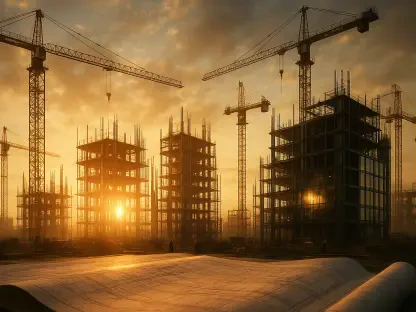

As the cranes above Kangaroo Point orchestrate a complex dance of steel and concrete, the once-quiet pocket along Bell Street is rapidly evolving into a centerpiece of Brisbane’s modern urban identity. This transformation signifies more than just the addition of residential units; it represents a fundamental shift in how the city utilizes its riverside precincts to balance high-density living with environmental stewardship. Spanning from 2026 to 2028, the construction timeline coincides with a broader regional initiative to revitalize riverfront assets ahead of significant population growth and increased migration to the Queensland capital. By integrating sophisticated architectural forms with functional public spaces, the project seeks to bridge the gap between private luxury and civic accessibility. Residents and stakeholders alike are watching as the scaffolding reveals a design that prioritizes light, air, and connectivity, setting a new standard for future developments in the area through its focus on sustainability.
Architectural Synergy: The Fusion of Nature and Structure
Design Philosophies: Integrating Biophilic Elements Into High-Rise Living
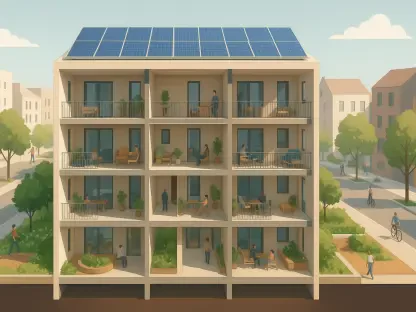
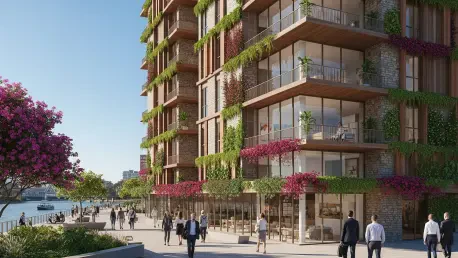
The design philosophy behind the Bell Street project emphasizes a seamless transition between the natural riverine environment and the built environment. Architects have incorporated extensive vertical gardens and cascading greenery that wrap around the building’s exterior, serving both an aesthetic purpose and a functional one by providing natural insulation and cooling. This biophilic approach is intended to mitigate the urban heat island effect, a growing concern in densely populated sub-tropical climates like Brisbane. By using materials that reflect the natural palette of the surrounding cliffs and riverbed, the structure avoids the stark, cold appearance of traditional glass towers. Instead, it offers a textured, living facade that evolves with the seasons, providing residents with a sensory connection to nature that is often lost in high-rise settings. This integration extends to the interior, where large-scale apertures and strategically placed balconies encourage cross-ventilation.
Beyond the visible greenery, the development utilizes advanced construction technologies to minimize its ecological footprint while maximizing structural longevity and performance. High-performance glazing systems have been installed to manage solar gain, ensuring that the interiors remain comfortable during the peak of summer without compromising the panoramic views of the city skyline. Smart sensor networks within the building’s infrastructure monitor energy consumption and water usage in real-time, allowing for precision management of resources across the entire site. This data-driven approach to sustainability ensures that the building operates at peak efficiency, setting a benchmark for future residential projects in Kangaroo Point. Furthermore, the inclusion of recycled building materials and low-carbon concrete mixtures demonstrates a commitment to reducing the embodied energy of the project. These technical choices represent a shift toward a more responsible form of luxury development for everyone.
Urban Context: Balancing Verticality and Heritage
One of the primary challenges addressed by the project was the need to respect the historical context of Kangaroo Point while introducing a modern architectural language. The suburb is characterized by a mix of mid-century apartments, traditional Queenslanders, and rugged natural features, necessitating a design that avoids overwhelming its neighbors. Designers responded to this by implementing a podium-and-tower configuration that steps back from the street level, creating a more human-scaled experience for pedestrians. This approach allows the base of the building to interact with the existing streetscape, using materials and proportions that echo the local heritage. Meanwhile, the upper levels are slender and tapered, minimizing shadows cast on adjacent properties and maintaining important visual corridors toward the river. This careful calibration of massing ensures that the project contributes to the skyline without diminishing the charm of the existing neighborhood through thoughtful infill solutions.
The relationship between the new structure and the iconic Kangaroo Point Cliffs is another critical aspect of its design, as the project seeks to complement the natural landscape rather than dominate it. Horizontal lines and expansive cantilevered decks mimic the strata of the nearby stone formations, grounding the building in its unique geographical setting. This architectural dialogue is further enhanced by the use of stone cladding and earth-toned finishes that reflect the local geology, creating a sense of permanence and belonging. By prioritizing high-quality materials that age gracefully, the development avoids the ephemeral quality often associated with rapid urban growth. This focus on durability and contextual relevance ensures that the building will remain a valuable part of the urban fabric for decades to come. As the project nears completion, it serves as a case study in how to navigate the complexities of urban development, proving that bold modernism can coexist with deep history.
Community Integration: Socio-Economic Shifts in Kangaroo Point
Public Infrastructure: Enhancing Connectivity and Access
A significant portion of the development’s value lies in its contribution to the public realm, specifically through the creation of new pedestrian linkages and communal open spaces. The project includes a wide, landscaped plaza at its base that serves as a gateway between the residential core and the existing riverwalk network. This space is designed to be permeable, inviting members of the public to move through the site easily, thereby enhancing the overall walkability of Kangaroo Point. By providing benches, shaded areas, and public art installations, the development fosters a sense of community that extends beyond its own walls. These infrastructure improvements are timed to coincide with broader city-led initiatives, such as the new green bridges, which will further integrate the suburb into the city’s active transport grid. The result is a more cohesive urban experience where private investment directly supports the accessibility and enjoyment of the riverfront for all residents.
In addition to physical connectivity, the project introduces a curated selection of retail and dining options that aim to invigorate the local street life and provide essential services to the growing population. These commercial spaces are strategically located to activate the street frontage, transforming what was once a quiet industrial strip into a vibrant hub for social interaction. By attracting artisanal cafes and boutique retailers, the development provides local residents with convenient amenities that reduce the need for car trips to other parts of the city. This localized economic activity supports small businesses and creates job opportunities within the immediate area, contributing to the suburb’s long-term resilience. The inclusion of these public-facing elements ensures that the project is viewed as a neighborhood asset rather than an isolated enclave. This shift toward mixed-use density reflects a sophisticated understanding of modern urbanism where residential growth is well supported.
Economic Resilience: Future Growth and Sustainability
As the demographic profile of Kangaroo Point continues to shift toward professional couples and downsizers, the demand for high-quality housing that balances convenience with lifestyle remains high. The Bell Street project addresses this demand by offering diverse apartment configurations that cater to different household sizes and lifestyle needs. This demographic diversification is essential for maintaining a balanced and vibrant community that can adapt to changing economic conditions. The increased residential density also provides a larger customer base for local services and public transport, making future investments in infrastructure more viable for the city. By setting a high bar for luxury and functionality, the development is likely to attract a stable population that is invested in the long-term success of the neighborhood. This influx of new residents will stimulate further private and public investment in the area, ensuring that Kangaroo Point remains a premier residential destination.
Planners recognized that the successful integration of Bell Street required a commitment to ongoing site management and the maintenance of shared public assets. They recommended that future projects in Kangaroo Point adopted similar biophilic standards to ensure suburb-wide climate resilience. Local council members established a framework where developer-led infrastructure was audited annually to ensure it met the evolving needs of the commuting public. Residents formed a neighborhood association that collaborated with retail tenants to curate seasonal events in the new plaza, ensuring the space remained a vibrant community anchor. Authorities prioritized the expansion of the green bridge network, linking these new residential hubs directly to the business district. Architects concluded that using the Bell Street model of stepping massing was the most effective way to preserve sunlight for neighboring properties. These actions collectively ensured that the growth of the precinct remained sustainable.