
A New Benchmark for Integrated Residential Development in Somerset
The completion of the Killams Park development in Somerset represents a significant shift in how residential expansion can align with ecological integrity and community welfare over a sustained period of growth. This project by Summerfield Homes has transitioned from a conceptual framework into a thriving community of 320 residential units. While many housing projects prioritize density, this 22-hectare site demonstrates how urban development can integrate high-quality architecture with substantial ecological preservation. By prioritizing the long-term livability of the region, the site serves as a vital model for balancing regional expansion with environmental sensitivity and robust social infrastructure.
The Evolution of Killams Park: From Vision to Completion
Spanning a decade of planning, Killams Park addressed the rising housing demand in Taunton without sacrificing the region’s rural heritage. The project utilized a phased approach across three stages, which allowed for the gradual integration of infrastructure and local residents. This strategy ensured that core values remained consistent throughout the construction cycle. By transforming land into a multi-functional neighborhood, the developer showcased a transition toward prioritizing longevity and community cohesion over short-term returns. This evolutionary process highlights the necessity of patient, well-coordinated planning in delivering complex urban expansion projects.
The Pillars of Modern Sustainable Living
Socio-Economic Investment and Infrastructure Growth
A primary driver of success was the socio-economic investment totaling approximately £3.66 million through Section 106 planning commitments. Summerfield Homes directed £2.25 million toward education and over £500,000 for local community facilities to prevent the strain often associated with new populations. This funding ensured that the local social fabric remained resilient, supporting educational growth and public services. Strategic capital allocation of this scale highlights a commitment to the broader regional economy, ensuring that the development supports the existing town while introducing new residential capacity.
Redefining Accessibility Through Diverse Housing Solutions
To tackle the regional housing crisis, the development included 86 affordable or discounted residential units. This was facilitated through partnerships with housing associations and the “MyHome” scheme, which allowed local buyers to secure properties at 30% below market value. Such initiatives prevent gentrification in high-quality builds, fostering a diverse neighborhood that reflects the actual demographics of Taunton. Inclusive housing strategies remain essential for maintaining a balanced labor market and social stability in growing urban centers.
Environmental Stewardship and Ecological Connectivity
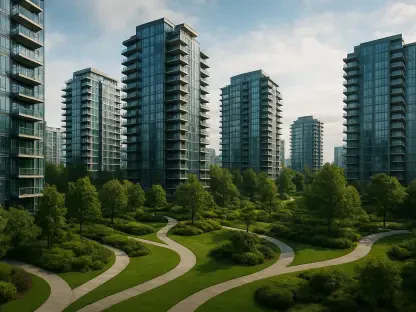
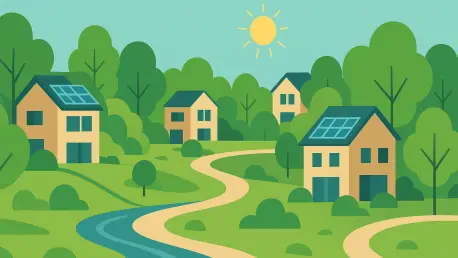
Environmental stewardship is evident in the eight hectares of dedicated open space, accounting for nearly a third of the site. The preservation of the Blackbrook stream corridor and the planting of over 1,000 trees enhanced local biodiversity. Furthermore, the integration of EV charging points and high-efficiency heat exchangers signaled a shift toward sustainable residential technology as a standard feature. The addition of the Art and Nature Trail further connects residents with the local ecosystem, reinforcing the link between residential life and environmental health.
The Future of Residential Design and Urban Planning
Looking ahead from 2026 to 2030, the industry is poised to adopt “green infrastructure” models as the primary standard for urban planning. We can expect stricter regulations regarding biodiversity net gains and mandatory sustainable transport links. Developers will likely focus more on renewable energy systems as cost-saving measures and environmental necessities. This trend reflects a global shift where ecological impact is weighted as heavily as economic viability, forcing a change in how land use is approached by planners.
Best Practices for Developers and Prospective Homeowners
Developers should prioritize early engagement with local councils and invest in public services to ensure project viability. For consumers, the focus should remain on energy-efficient standards and proximity to green space, which provide better long-term value. Strategic partnerships remain the most effective tool for creating balanced neighborhoods. Investing in developments that offer multi-functional land use ensures a higher quality of life and sustained property appreciation for both the individual and the community.
A Legacy of Balance and Community Resilience
Killams Park established a new precedent for how residential projects achieved a balance between growth and preservation. It proved that large-scale developments succeeded when they prioritized community health alongside physical construction. This project provided a roadmap for urban resilience, illustrating that thoughtful design secured a sustainable legacy. The final phase successfully integrated human habitation with native habitats, ensuring the region remained viable for future generations of residents.