
The traditional boundaries of luxury hospitality are rapidly dissolving as travelers increasingly demand environments that support holistic health and professional productivity simultaneously. In response to this paradigm shift, the Hilton Boston Back Bay recently completed a multimillion-dollar renovation to transform its 401-room property into a wellness-centric sanctuary. Managed by Highgate, the hotel now serves as a primary example of how urban destinations can pivot from simple lodging to comprehensive lifestyle retreats. By focusing on physical health, mental clarity, and community connection, the property is setting a new benchmark for how modern travelers experience one of the most historic cities in America.
From Legacy Roots to Contemporary Excellence
To appreciate the depth of this transformation, one must recognize the hotel’s standing as Boston’s first purpose-built Hilton. For decades, it remained a fixture of the city’s skyline, yet the rise of the health-conscious traveler necessitated a significant evolution of its core identity. The renovation bridged the gap between the property’s architectural heritage and the future of luxury. By combining a contemporary aesthetic with the established character of the Back Bay, the project demonstrated that wellness is not merely about adding amenities, but about creating an environment that feels grounded in history while being fully equipped for the needs of tomorrow.
Integrating Holistic Living into the Guest Journey
Reimagining the Physical Fitness Experience
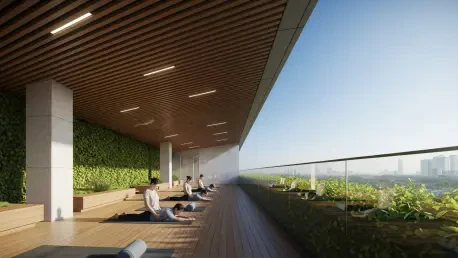
The centerpiece of the redesign is an expansive 3,500-square-foot fitness center that departs from the standard, enclosed hotel gym. This facility incorporates high-performance equipment such as Peloton bikes and connected Life Fitness technology, catering to guests who refuse to compromise their fitness routines while traveling. Additionally, the inclusion of rare outdoor wellness space provides a vital connection to the environment within a dense urban setting. This investment indicates a clear understanding that fitness is now a non-negotiable component of the travel experience rather than an optional perk.
Restorative Design and Smart Connectivity
Wellness principles extend directly into the upgraded guest rooms and suites, where the focus remains on recovery and comfort. The use of walnut millwork and patterned marble creates a sophisticated, calming atmosphere that contrasts with the bustle of the city. Modernized bathrooms and integrated smart connectivity further streamline the guest journey, reducing the friction and stress often associated with high-frequency travel. This blend of restorative design and digital utility ensures that the physical space works in harmony with the guest’s need for both relaxation and efficiency.
Neighborhood Synergy and Cultural Well-Being
True well-being is often linked to an individual’s connection to their surroundings, and the hotel leverages its strategic location to foster this bond. Situated at the crossroads of the Fenway and Back Bay neighborhoods, the property provides easy access to intellectual and cultural landmarks like the Museum of Fine Arts and Symphony Hall. This proximity encourages guests to engage with the city’s vibrant cultural momentum, including nearby developments like Lyrik Back Bay. By positioning itself as a gateway to these hubs, the hotel supports the mental and social enrichment that defines a fulfilling stay.
Shaping the Future of Urban Hospitality
The ongoing evolution of the property reflects broader shifts in the “bleisure” market, where the lines between work and leisure are permanently blurred. The introduction of “The Commonwealth,” a venue characterized by abundant natural light, underscores a trend toward biophilic design in professional spaces. As the city prepares for major national milestones like America’s 250th anniversary, the hotel’s strategy emphasizes community-oriented programming and adaptability. Furthermore, aligning with corporate shifts, such as the relocation of the Lego Americas headquarters, ensures the property remains central to Boston’s economic and cultural future.
Best Practices for the Modern Traveler and Developer
For developers, the success of this renovation highlights the necessity of moving beyond cosmetic changes toward functional, wellness-driven upgrades. Prioritizing natural light, high-end fitness facilities, and seamless technology is now essential for maintaining a competitive edge in high-demand markets. Travelers should prioritize properties that offer integrated experiences, ensuring that their time away from home contributes to their overall health. Choosing destinations that blend local cultural access with high-performance amenities allows for a more productive and restorative journey, regardless of the primary purpose of the visit.
A Refined Vision for Boston’s Hospitality Landscape
The transformation of the Hilton Boston Back Bay redefined the expectations for urban hospitality in a rapidly changing market. By integrating wellness, smart technology, and neighborhood synergy, the property successfully addressed the sophisticated needs of the modern traveler. This project demonstrated that a historic legacy could be revitalized through a commitment to holistic living and community engagement. Ultimately, the renovation ensured the hotel’s long-term significance by providing a refined environment that balanced the city’s rich heritage with a clear vision for an innovative, health-conscious future.