
To address the critical shortage of healthcare workers in Coconino County, the college is prioritizing the construction of a state-of-the-art Allied Health Building. This initiative marks a pivotal moment for Coconino Community College as it enters a transformative development phase, fueled by a substantial $100 million bond approved by local voters. The institution is currently modernizing its physical footprint to better align with the evolving needs of the regional economy. As the college celebrates its 35th anniversary, the focus has shifted toward high-impact infrastructure projects that promise to redefine the local educational landscape. This capital investment is not merely about new bricks and mortar; it represents a strategic effort to bridge the gap between academic training and industrial demand. By upgrading facilities that have long outlived their design, the college ensures that students have access to the specific tools they will encounter in professional settings.
Strategic Investments: Redefining Vocational Excellence and Facilities
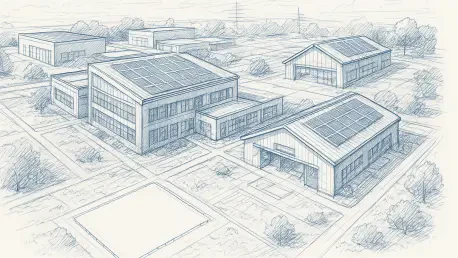
The redevelopment of the Fourth Street campus stands as a cornerstone of this revitalization effort, representing a shift away from decades of operating in a repurposed shopping center. This site, which previously housed a variety of essential vocational programs, reached a point where its structural limitations hindered the growth of modern curriculum. Following the demolition of the original structures in late 2024, the current construction phase is transforming the area into a purpose-built hub for technical excellence. The vision for this site involves creating a learning environment that reflects the sophistication of modern trades, moving beyond the makeshift solutions of the past. As builders work to finalize the framework of these new facilities, the community is beginning to see the tangible results of the bond’s allocation. This project ensures that students in technical fields are no longer training in outdated spaces but are prepared for high-tech careers.
Managing such a large-scale transformation requires navigating significant logistical hurdles, particularly regarding the temporary displacement of critical training programs. During the current construction cycles, leadership has coordinated the relocation of the police academy and various construction trades to ensure that instruction remains uninterrupted. This period of transition, while described as complex by college officials, serves as a necessary bridge toward a more integrated campus experience. Maintaining continuity in public safety and vocational training is essential for the region, as these programs provide a steady stream of qualified recruits for local agencies. The coordination effort highlights the resilience of the faculty and students who have adapted to shared spaces and off-site locations. By prioritizing the student experience during this upheaval, the college demonstrates its commitment to the long-term success and professional stability of its vocational cohorts.
Future Pipelines: Advancing Healthcare Training and Retention Metrics
A significant portion of the development strategy focuses on the Lone Tree campus, where the upcoming 70,000-square-foot Allied Health Building is poised to change medical education. Scheduled to break ground in early 2027, this facility will house advanced laboratories and simulation suites designed to mirror modern clinical environments. The addition of specialized programs such as radiology, respiratory therapy, and surgical technology directly targets the most pressing vacancies in the regional healthcare sector. By localizing this high-level training, the college removes the need for residents to seek education outside the county, keeping talent within the local economy. This facility is expected to be fully operational between 2028 and 2029, providing a state-of-the-art home for the next generation of medical professionals. The integration of these new specialties into the curriculum reflects a forward-thinking approach to community health and institutional growth.
While construction projects addressed the physical needs of the campus, the CCC Foundation simultaneously launched the ‘Building Futures’ campaign to secure $10 million for operational sustainability. This effort, bolstered by a significant $1 million pledge, provided the necessary resources to manage the new radiology and surgical technology programs effectively. These financial gains matched a ten-percent increase in student retention, illustrating that the investment in modernization yielded tangible results for the student body. The introduction of new athletic programs, such as track teams, further enriched the campus environment and fostered a sense of community. Looking ahead, the institution focused on creating seamless transfer pathways to Northern Arizona University, ensuring that vocational training served as a stepping stone to higher academic achievement. Through these coordinated efforts, the college successfully transitioned into a modern engine that met labor demands.