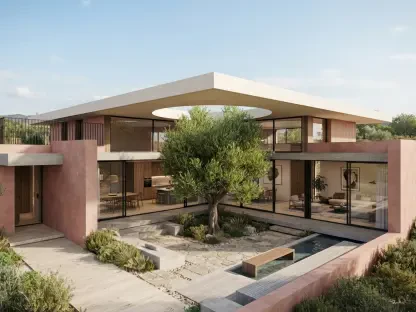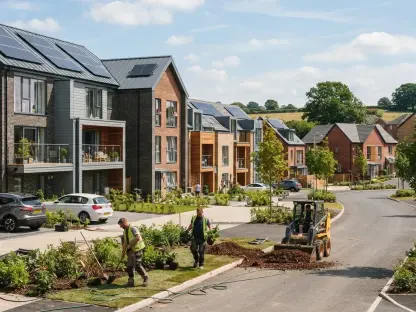

John and Linda Askew’s early days of handwriting checks and working with a single project manager have evolved into a sophisticated operation headquartered in the Aledo community. This transformation represents a deliberate shift from the modest, family-run venture that began in 1983 into a premier residential construction powerhouse that officially solidified its brand in 1997. The firm has spent nearly four decades honing its craft, moving through various Texas markets like Southlake and Keller before finding its permanent home in Aledo. This extensive history provides a foundation of practical industry knowledge that distinguishes the company from newer builders who often react to fleeting market trends without understanding the structural long-term implications. By blending deep-rooted experience with a forward-thinking approach, the firm has successfully transitioned into a full-service enterprise that prioritizes a legacy of quality and intentionality over the high-volume production models that often dominate the modern suburban landscape.
Strategic Evolution: Integrating Legacy With Modern Operations
The modern success of the firm is currently anchored by a transition in leadership that bridges foundational family values with contemporary operational excellence. While the founders established the ethical compass and the “faith-based” culture of the business, their daughter, Jennifer Gosnell, now leads the organization as the President of Operations. Having spent a quarter-century immersed in the company’s inner workings, she has overseen the transition from a lean staff to a robust, multi-departmental firm. This current structure includes four dedicated project managers, a construction president named Cody, and a comprehensive in-house support staff. This organizational maturity allows the company to manage complex custom builds with a level of precision that was impossible in its early years, ensuring that every project receives specialized attention from experts in construction, warranty management, and administrative logistics.
Despite this expansion in personnel and technical capabilities, the organization maintains a central mission that feels personal and accessible. The leadership recognizes that scaling a business in the luxury sector requires a delicate balance between professional delegation and the preservation of a core identity. By employing a specialized warranty manager and an in-house design department, the company ensures that the client experience remains seamless from the initial consultation through the post-move-in period. This commitment to structure is not merely about efficiency; it is about providing a stable framework where the “doing the right thing” philosophy can flourish. In 2026, as the demand for bespoke living spaces continues to rise, this multi-generational leadership model provides a rare combination of old-world integrity and modern project management that allows the firm to navigate the complexities of high-end residential construction.
Collaborative Synergy: Bridging Professionalism and Empathy
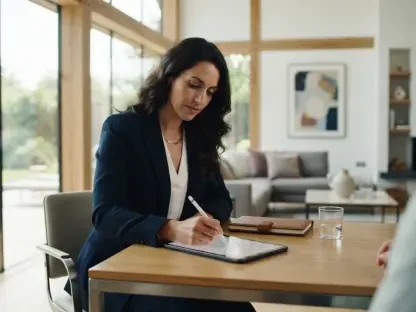
A defining characteristic of the firm is its internal synergy and the unique professional backgrounds of its team members. The company employs a collaborative staffing model where several key professionals were once clients or long-term partners before joining the organization. For instance, individuals like Jane Ford transitioned into the sales team after commissioning multiple homes from the builder, while others like Jared Brandow moved from the construction side into sales after years of field experience. This cross-disciplinary perspective is invaluable because it allows the staff to deeply empathize with the client’s emotional journey while simultaneously understanding the technical realities of the job site. This unique culture fosters a transparent environment where information flows freely between the sales floor and the construction site, reducing the friction that typically plagues large-scale custom builds.
Furthermore, the firm maintains decades-long relationships with specific subcontractors, many of whom have been part of the construction team for over twenty years. This long-term loyalty ensures a level of consistency in craftsmanship and reliability that is increasingly rare in a market often characterized by high turnover and fluctuating labor quality. By treating subcontractors as integral members of the family-driven mission, the firm guarantees that the high standards of the Askew brand are upheld by every plumber, electrician, and framer on the site. This philosophy of integrity serves as the primary filter for all business decisions, especially when navigating the inevitable “hiccups” of the construction process. The firm remains candid about these challenges, choosing to prioritize the client’s long-term satisfaction over short-term profit margins, thereby building lasting trust with every family served.
The Design Methodology: Redefining the Client Journey
The firm differentiates itself through a highly intentional “blank page” methodology that begins long before the first stone is laid on a property. Rather than forcing clients to adapt to pre-existing templates or restricted floor plans, the team collaborates with architects and plan designers from the very start. This intensive design phase, which typically spans three to six months, focuses on every detail of the residence to ensure that the layout reflects the client’s specific lifestyle and budget. Recent expansions in the company’s service model have also introduced interior furnishing options, providing a comprehensive “done-for-you” experience. This evolution allows the firm to carry a project from the initial architectural concept to a fully furnished living space, ensuring that the aesthetic vision is maintained throughout the entire process without the disconnect often found when using outside designers.
The collective findings showed that the most successful projects were those where the builder acted as a strategic partner from the initial architectural sketch. Homeowners who prioritized long-term integrity over the lowest initial bid found that the resulting structures offered significantly higher value and fewer maintenance issues. The industry observed a shift where custom home building transitioned from a simple transaction into a service-oriented mission focused on multi-generational functionality. By looking at the 2026 developments, stakeholders recognized the importance of integrating interior furnishing within the architectural phase to ensure aesthetic continuity. Future builders were advised to adopt a transparent communication model that explicitly addressed construction challenges rather than obscuring them. Ultimately, the successful delivery of a custom residence was linked to the strength of the relationship between the client and the builder.