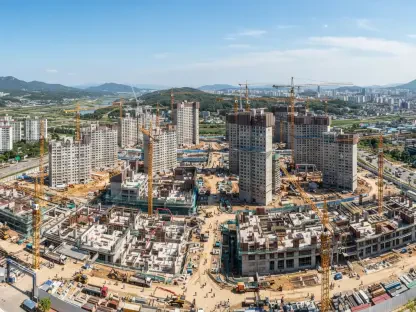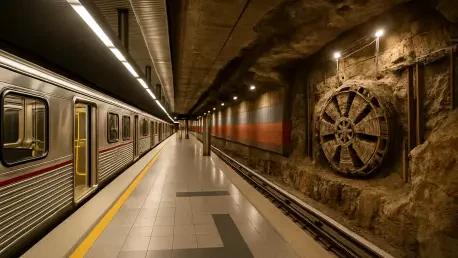

Constructing a high-capacity subway system beneath the sprawling metropolis of Los Angeles is far more than a feat of mechanical engineering; it represents a delicate negotiation between modern infrastructure and the volatile geological secrets buried for millennia. The completion of Section 1 of the D Line Subway Extension project marks a monumental achievement in this endeavor, having added approximately four miles of critical transit and three sophisticated stations to the city’s underground grid. This $2.4 billion initiative, executed by a massive joint venture, required the labor of over 7,000 workers who spent an entire decade transforming the subterranean landscape of Wilshire Boulevard into a functional corridor for the twenty-first century.
The primary objective of this analysis is to detail the specific strategies used to navigate one of the most geologically volatile environments on the planet. This article explores how engineering teams managed the logistical nightmare of existing urban utilities, the hazardous presence of ancient gas pockets, and the unexpected archaeological wealth discovered during the mining process. Readers can expect to learn about the adaptive management techniques that allowed this project to proceed safely and efficiently despite the unique challenges posed by the “tar sands” of Southern California. By examining these multifaceted hurdles, one can appreciate the sheer scale of coordination required to modernize a built-out city.
Key Questions: Subterranean Engineering and Historical Preservation
What Infrastructure Challenges Faced the Team Beneath Wilshire Boulevard?
Wilshire Boulevard serves as one of the most critical arteries in Los Angeles, but its surface traffic is only half of the story. Beneath the asphalt lies an incredibly dense and chaotic network of utility lines that have been installed and modified over many decades. Before the tunnel boring machines could even be prepared for launch, the construction team had to account for a complex thicket of high-voltage electrical cables, telecommunication fibers, water mains, and aging gas pipes. This required a meticulous utility mapping phase where crews identified and relocated miles of existing infrastructure to prevent catastrophic service interruptions to the surrounding businesses and residents.
To facilitate the construction of the station boxes, the team utilized advanced shoring techniques that involved driving steel piles more than 100 feet into the ground. This process had to be phased perfectly to ensure that while the ground was being reinforced, the essential services remained operational for the thousands of people living and working above. The logistical coordination involved with local utility providers was exhaustive, as any error in mapping could have resulted in widespread outages. This preliminary phase established a stable environment, allowing the massive tunneling machines to eventually begin their journey through the deeper, more unpredictable geological layers.
How Did Engineers Manage the Volatile Gases of the Tar Sands?
The geological profile of the transit corridor is uniquely defined by its proximity to the world-famous La Brea Tar Pits, meaning the soil is saturated with petroleum-based compounds and hazardous gases. As the tunneling machines moved through these “tar sands,” they frequently encountered pockets of methane and hydrogen sulfide, which posed significant explosion and inhalation risks to the workers. Over the course of the project, the team recorded more than 200 gas-related alerts, each of which mandated an immediate cessation of work and a full evacuation of the underground tunnels until the air could be cleared and verified as safe by regulators.
While these alerts initially caused substantial delays that could last half a day, the project’s management demonstrated remarkable operational adaptation. Over time, the crews and the safety inspectors from CalOSHA refined their communication and testing protocols to be much more efficient. By the time the final stretches of the tunnel were being mined, the process for verifying a gas clear had been streamlined into a ten-minute procedure. This evolution from a major work stoppage to a routine safety check illustrates how adaptive management can mitigate the impact of environmental hazards on a strict construction timeline.
What Significant Paleontological Finds Were Discovered During Excavation?
Digging into the Pleistocene layers of Los Angeles essentially turned a transportation project into one of the largest archaeological expeditions in the region’s recent history. The excavation process unearthed more than 500 fossils, including the remains of camels, bison, and ancient horses that once roamed the area. Perhaps the most stunning discovery was a nearly complete mastodon skull found only 15 feet below the surface near the site of the new La Brea station. Because of the high probability of such finds, paleontologists were required to be on-site at all times to monitor the soil as it was removed by the heavy machinery.
When a significant fossil was identified, the construction team had to pivot immediately to preservation mode. To protect the mastodon skull, the team collaborated with scientists to encase the specimen and its surrounding sediment in a specialized “tree box,” which allowed it to be lifted and transported to a local museum without suffering structural damage. Although these discoveries added a layer of historical prestige to the D Line extension, they were managed with such precision that they did not cause nearly as many delays as the gas safety protocols. This successful partnership between engineers and scientists ensured that the city’s prehistoric heritage was preserved even as its modern transit needs were being met.
What Were the Primary Stages of the Tunnel Construction Process?
The physical construction of the D Line followed a rigorous structural engineering sequence that prioritized stability and long-term durability. After the initial utility relocations were finished, the massive tunnel boring machines were deployed to carve out “eight track miles,” which consisted of two parallel tunnels for the eastbound and westbound tracks. Once the boring machines completed their path, the focus shifted toward the “rough-in” phase, where the raw tunnels were reinforced and the station shells were prepared for their final forms. This stage was critical for ensuring that the subterranean structures could withstand the seismic pressures common in Southern California.
Following the heavy mining, the team moved into the mass concrete installation phase, which laid the foundation for the architectural finishes and the mechanical systems. This final stage involved the complex integration of ventilation fans, fire suppression systems, and the laying of the heavy rail itself. Sophisticated electronic signaling and telecommunications were then installed to allow for the automated operation of the trains. The transition from raw excavation to a high-tech transit hub required a seamless handoff between various specialized trades, ensuring that every bolt and wire met the rigorous standards of a twenty-first-century subway system.
Summary: Reflections on a Decade of Progress
The Section 1 extension of the D Line provides a blueprint for how future infrastructure projects can navigate the extreme constraints of a dense urban environment. By integrating advanced utility mapping and flexible safety protocols, the project team successfully managed the volatile presence of methane and the logistical hurdles of Wilshire Boulevard. The recovery of hundreds of fossils also highlights the importance of interdisciplinary cooperation, proving that modern progress does not have to come at the expense of historical preservation. This decade-long effort has solidified a more reliable transit connection for Los Angeles, demonstrating that even the most daunting geological and environmental obstacles can be overcome with rigorous planning.
For those interested in the technical evolution of city planning, the lessons learned from the “tar sands” tunneling are now being applied to subsequent phases of the Metro expansion. The efficiency gains made in gas monitoring and soil stabilization are expected to reduce timelines for future segments. As the city looks toward its next transit milestones, the D Line stands as a testament to the power of perseverance and technological innovation. It serves as a reminder that the space beneath a city is just as valuable as the skyline above it.
Conclusion: Final Thoughts on Urban Modernization
The successful completion of this underground corridor proved that the challenges of “Mother Earth” were ultimately surmountable through dedicated labor and scientific precision. This project demonstrated that the collision of prehistoric history and modern engineering could result in a legacy of both transit efficiency and scientific discovery. The thousands of workers and engineers involved transformed a volatile subterranean landscape into a safe, high-speed artery for the public. Their work established a new benchmark for how global cities can reclaim their underground spaces despite seemingly impossible environmental constraints.
Looking forward, urban centers should view this achievement as an invitation to rethink the possibilities of transit in “built-out” neighborhoods. The lessons from Section 1 suggest that early investment in utility verification and safety adaptation pays massive dividends during the construction cycle. As commuters began utilizing these new stations, the focus shifted toward the long-term benefits of reduced surface congestion and improved regional connectivity. This initiative left an indelible mark on the city, ensuring that the infrastructure of tomorrow is built on a foundation of resilience and interdisciplinary excellence.