
Gandaki Province stands as the crown jewel of Himalayan tourism, yet its backbone of transportation and essential services is currently buckling under the weight of neglected maintenance and stalled development initiatives. Despite the region’s immense potential to drive national economic growth through its hydroelectric and adventure tourism sectors, the reality remains a stark contrast defined by treacherous road conditions and unfinished bridges that isolate communities during the monsoon season. This systemic failure is not merely a matter of bad luck or challenging topography; it represents a deep-seated disconnect between provincial planning and the actual execution of civil engineering projects. As the province moves through the 2026 fiscal cycle, the urgency to address these structural deficits has reached a boiling point, with local businesses demanding a transparent roadmap for modernization that goes beyond superficial repairs and political rhetoric.
Connectivity and Logistic Failures
Stagnation: Major Roadway Delays
The ongoing expansion of the Prithvi Highway, specifically the critical stretch between Muglin and Pokhara, serves as a prime example of the logistical paralysis gripping the province. Although contractors were expected to accelerate progress during the dry season, the lack of equipment and insufficient labor deployment resulted in only a fraction of the necessary work being completed by mid-2026. This stagnation does not just affect travel times; it creates a ripple effect throughout the regional supply chain, driving up the cost of essential goods and deterring high-value tourists. Furthermore, the Mid-Hill Highway project continues to face similar hurdles, with multiple sections remaining unpaved or poorly graded due to a lack of oversight. Without a dedicated effort to hold construction firms accountable for these timelines, the promise of seamless connectivity between Gandaki and the rest of the nation will remain an elusive goal for the foreseeable future.
Technical: Geological Vulnerability
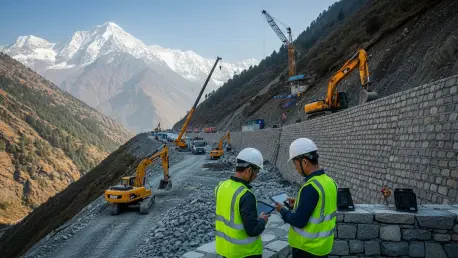
Beyond administrative delays, the province is struggling with a lack of sophisticated engineering solutions to address its unique Himalayan geography and extreme weather patterns. Many road projects are initiated without comprehensive soil testing or landslide risk assessments, leading to frequent collapses and the destruction of newly laid asphalt during the summer rains. This cycle of building and rebuilding is a significant drain on the provincial treasury and highlights the need for more resilient infrastructure designs that incorporate modern drainage systems and retaining wall technologies. Instead of relying on outdated construction methods, there is a clear demand for the adoption of bio-engineering techniques that stabilize slopes while preserving the local ecosystem. The current approach, which often prioritizes speed over durability, has proven to be counterproductive as the province faces a recurring bill for emergency repairs that could have been avoided.
Economic and Governance Obstacles
Fiscal: Procurement and Funding
The financial landscape of infrastructure development in Gandaki is characterized by a paradoxical situation where significant funds remain unspent even as projects languish for lack of resources. Bureaucratic hurdles within the procurement process often delay the mobilization of capital, leading to a year-end spending rush that compromises the quality of construction work. This mismanagement is exacerbated by the “contractor mafia” system, where a small group of influential firms monopolizes large contracts without the capacity to deliver results on time. To break this cycle, the provincial government must implement a more rigorous vetting process and a performance-based payment system that rewards efficiency and penalizes unwarranted delays. Enhancing transparency through digital bidding platforms could also invite international competitors with the technical expertise needed for complex projects. Moving away from these practices is essential for rebuilding public trust.
Solutions: Smart Infrastructure
To transition from a state of crisis to one of sustainable growth, the provincial leadership prioritized the adoption of data-driven monitoring tools and long-term urban planning strategies. Officials recognized that traditional oversight was insufficient for managing the complexities of 2026’s infrastructure demands, leading to the implementation of satellite-based project tracking and real-time reporting systems. By integrating these digital solutions, the government sought to identify bottlenecks before they escalated into total project shutdowns, ensuring that resources were allocated dynamically based on actual field progress. Additionally, the move toward smart infrastructure included the electrification of public transport routes and the installation of resilient communication grids. These steps were taken to foster an environment where private investment could thrive alongside public initiatives. Establishing a provincial task force dedicated to climate-resilient engineering allowed the region to finally move past temporary fixes.