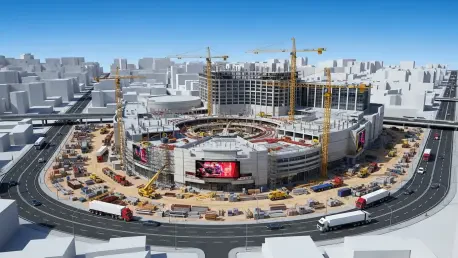

The sudden rise of a massive steel skeleton along the banks of the Chicago River signifies a billion-dollar shift in the city’s fiscal strategy and a profound gamble on the enduring appeal of physical entertainment hubs. As the Bally’s $1.7 billion casino project reaches its “topping out” milestone, the skyline of Chicago is undergoing a dramatic transformation that many hope will signal a new epoch of prosperity. This symbolic placement of the final structural beam marks a turning point for a metropolitan area seeking new avenues of economic growth and urban renewal. For years, the prospect of a world-class casino in the heart of the city was a subject of intense political and social debate. Now, as the structure takes its final shape, the focus has shifted toward how this massive development will reshape the city’s identity and its tax base.
From Printing Presses to Poker Tables: The Journey of the Freedom Center Site
The site of the new Bally’s casino holds deep historical significance for Chicago, representing a transition from industrial labor to a service-oriented economy. For decades, the 30-acre plot was home to the Chicago Tribune Freedom Center, a massive industrial printing plant that served as the heartbeat of the city’s media landscape. As the digital age transformed the news industry, this prime riverfront real estate became underutilized, eventually creating an opening for a massive redevelopment project. The transition from a manufacturing hub to a luxury entertainment complex reflects a broader shift in urban planning, where legacy industrial zones are being reclaimed for hospitality and public use. This background is essential for market analysts because it illustrates the city’s strategy of repurposing assets to meet the modern demands of the global tourism market.
Measuring the Impact of a World-Class Entertainment Hub
Economic Growth and the Surge in Local Gaming Revenue
The timing of the Bally’s project aligns with a peak in the American gaming industry, where national revenues have reached record highs. By introducing a 500-room luxury hotel tower and an expansive gaming floor, Chicago aims to capture a significant share of this high-end market. Beyond immediate tax revenue, the project is expected to create thousands of jobs, ranging from construction roles to permanent hospitality positions. The collaboration with the Chicago Community Builders Collective ensures that local firms—many of them minority-owned—are central to the process, providing a direct economic boost to diverse neighborhoods. This inclusive approach is designed to distribute the financial benefits of the project far beyond the riverfront site.
Urban Reconnection and Waterfront Accessibility
One of the most ambitious goals of the Bally’s development is its plan to reconnect the River West and Near West Side neighborhoods with the Chicago River. For too long, large stretches of the riverfront were blocked by industrial barriers that limited public access. The new complex is designed to be more than just a place to gamble; it is envisioned as a riverfront destination featuring a 3,000-seat theater and a rooftop bar with panoramic views. By integrating public walkways and entertainment amenities, the project seeks to turn a once-isolated site into a vibrant community hub. This design philosophy addresses the common criticism that casinos can become “islands,” aiming instead for a layout that invites foot traffic and local engagement.
Navigating the Complexities of Large-Scale Urban Redevelopment
Despite the optimism, the project faces the inherent challenges of large-scale urban construction in a densely populated environment. Building a $1.7 billion complex requires navigating complex regulatory hurdles and logistical constraints that can delay progress. Some analysts worry about the long-term social impact of a permanent casino and whether the promised economic benefits will materialize for all residents equally. However, the involvement of established entities like the Gilbane Building Co. and a roster of local engineering firms suggests a high level of professional oversight. By addressing these complexities through collaborative partnerships, the project aims to set a precedent for how public-private ventures can manage the risks associated with massive infrastructure shifts.
The Future of Chicago’s Infrastructure and Skyline
The Bally’s casino does not exist in a vacuum; it is a cornerstone of a multi-billion-dollar wave of investment currently sweeping through the region. From the $5.7 billion Red Line transit extension to the $1.45 billion expansion of O’Hare International Airport’s Concourse D, the city is doubling down on its infrastructure. These projects suggest a future where Chicago is more interconnected and accessible to international visitors than ever before. Market experts predict that the synergy between a modernized airport, improved transit, and a flagship entertainment destination will solidify the city’s status as a top-tier global destination. As technology and consumer preferences evolve, the integration of digital gaming and physical luxury environments will likely become the new standard for urban resorts.
Strategic Integration for Maximum Economic Return
To ensure that the Bally’s development delivers on its promise of revitalization, the city and local businesses must adopt a proactive strategy. The major takeaway from this development is the importance of diversification; the project’s success hinges not just on the casino floor, but on its ability to attract visitors to its theater, hotel, and riverfront amenities. Local businesses should look for opportunities to partner with the complex, whether through supply chain roles or satellite services for tourists. Best practices from other major cities suggest that the most successful urban casinos are those that act as anchors for wider district development. For professionals in the real estate and hospitality sectors, this project serves as a case study in leveraging “destination architecture” to drive regional activity.
A Transformative Bet on Chicago’s Economic Future
In summary, the Bally’s $1.7 billion casino represented a bold gamble on the future of Chicago’s urban fabric. By transforming a relic of the industrial past into a modern entertainment powerhouse, the city signaled its readiness to compete on a global stage. The project addressed key goals of urban planning: creating jobs, increasing tax revenue, and improving public access to the waterfront. While challenges remained, the successful “topping out” of the structure provided a clear indicator of momentum. Moving forward, stakeholders prioritized the integration of the facility with local businesses to maximize the spillover effects. Ultimately, the significance of this project lay in its potential to serve as a catalyst for a broader renaissance, proving that with the right investment and local collaboration, even the most overlooked corners of a city were revitalized for the modern era.