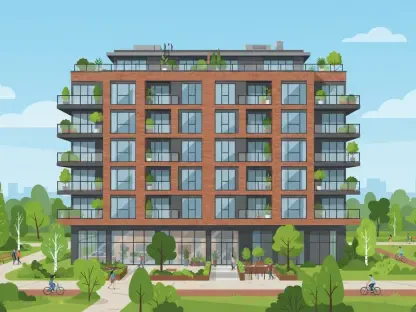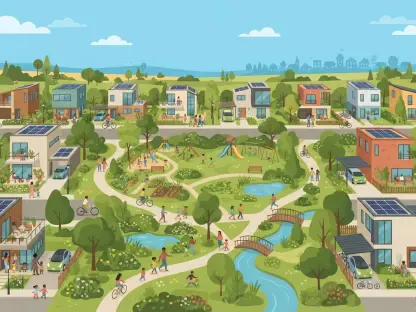

By acquiring specialized firms with Passive House expertise, larger practices are positioning themselves to meet long-term societal needs for sustainable multifamily housing. This strategic move addresses the stagnation seen in traditional sectors since the AIA/Deltek Architecture Billings Index® began its downward trend in late 2022. The divergence between robust national economic indicators and the grinding reality of the design sector has forced a fundamental rethink of how architectural practices operate in the current landscape. While the Bureau of Economic Analysis reports technical growth for the United States, the architectural industry continues to face an “interminable slog” caused by fluctuating interest rates and persistent supply chain disruptions. Furthermore, the rapid integration of artificial intelligence creates a paradoxical environment where efficiency increases, but regulatory hurdles and project pauses keep the pipeline volatile. Successful firms now prioritize resilience over rapid growth, recognizing that the era of passive project acquisition has finally ended.
Strategic Specialization and Market Expansion
Developing deep expertise in high-demand, technical niches serves as a powerful defense against broader economic downturns that typically cripple generalist firms. For instance, the rise of advanced manufacturing and radiopharmaceutical facilities requires a level of precision and regulatory knowledge that few practices possess. By targeting these specific submarkets, firms can effectively insulate themselves from the boom-and-bust cycles of speculative real estate. These specialized projects often involve startups that are eventually acquired by global pharmaceutical giants, ensuring a long-term stream of high-value work that persists even when the commercial office market remains dormant. This approach allows a studio to move beyond competing on price, as clients in technical sectors prioritize safety, compliance, and specialized experience over the lowest bid. This shift toward “diversification with intention” ensures that a firm’s portfolio is not just broad, but strategically aligned with essential sectors regardless of interest rate hikes.
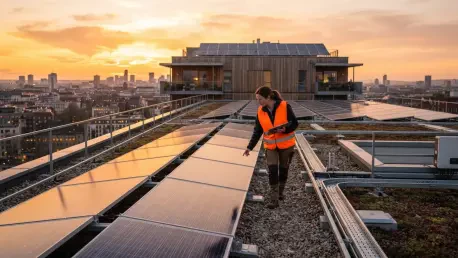
Strategic acquisitions provide an immediate pathway to expanding a firm’s technical capabilities without the long lead time required for internal organic growth. When a practice absorbs a boutique engineering or design group with a specific focus, such as sustainable energy systems or advanced carbon-capture technology, it instantly gains access to a specialized client base. These acquisitions are particularly effective in the current climate, where evolving building codes and stringent environmental regulations demand highly technical solutions that were once considered optional. By integrating these skill sets, larger firms can offer a holistic service model that covers everything from initial feasibility studies to post-occupancy energy monitoring. This proactive expansion strategy ensures that the firm remains relevant as the industry moves toward mandatory net-zero benchmarks. Consequently, the ability to solve complex, multidisciplinary problems becomes a key differentiator, allowing the merged entity to secure large-scale civic projects requiring sophisticated design tools.
The Power of Relationship-Based Management
In a volatile market, the traditional “big project only” mentality can become a significant vulnerability, leading to mass layoffs when a single large commission is cancelled or delayed. To counter this, many resilient firms are pivoting toward a more balanced portfolio that includes smaller-scope projects, municipal renovations, and on-call service contracts. While a $100,000 office renovation might lack the prestige of a signature skyscraper, these smaller engagements serve as critical bridges that keep staff busy and ensure consistent revenue. Maintaining these “on-call” relationships with cities, hospitals, and universities provides a reliable baseline of work that functions independently of the speculative development market. Furthermore, this strategy allows firms to preserve their human capital, preventing the loss of institutional knowledge and technical talent that occurs during workforce reductions. By valuing stability and continuity over high-profile aesthetics, firms can maintain a healthy operational rhythm, prepared for when broader economic conditions shift.
The transition from being a mere service provider to becoming a “loyalty-first” partner represents a fundamental shift in how architects manage their business relationships during lean periods. By helping a client “right-size” a project to fit a constrained budget or by developing a phased implementation plan that matches available funding cycles, a firm demonstrates an investment in the client’s long-term success. This level of dedication often results in deep-seated trust that survives economic cycles, as clients remember the partners who were willing to assist them when resources were scarce. Such a collaborative approach frequently leads to larger, more lucrative commissions once the client’s financial position improves. Moreover, this philosophy encourages the firm to remain flexible and adaptive, tailoring their services to meet the specific “splinters” or pain points of their clients. Ultimately, the firm that acts as a consultative advisor rather than just a designer will find itself at the top of the list for future projects, as the historical data of reliable performance outweighs the lure of a new competitor.
Proactive Pre-positioning and Client Engagement
Resilience is further reinforced through the practice of “pre-positioning,” a strategy where firm leadership engages with potential clients long before a formal Request for Proposal is ever drafted. This proactive model focuses on identifying a client’s specific operational challenges—often referred to as “splinters”—and offering value-added insights through research and educational seminars. For instance, presenting a workshop on WELL certification or emerging HVAC technologies allows a firm to showcase its expertise without a hard sell. This early engagement shifts the dynamic of the relationship, allowing the architect to influence the project’s initial scope and feasibility before the competitive bidding process even begins. By positioning themselves as thought leaders and problem solvers, firms can cultivate a pipeline of work that is based on technical merit and strategic alignment rather than luck. This method requires an investment in business development, but the long-term payoff is a more stable and predictable flow of projects that are less susceptible to the sudden whims of the speculative market.
The engagement process does not end when a building is completed; rather, successful firms use the post-construction phase to solidify their role as a trusted advisor and industry authority. By conducting rigorous post-occupancy studies and data analysis on building performance, architects can provide clients with tangible proof of the project’s success, which is invaluable for the client’s own internal reporting and marketing. Helping a past client present these findings at industry symposia or regional conferences further strengthens the bond and keeps the firm top-of-mind for any upcoming facility needs. This ongoing presence ensures that the architect is viewed as a long-term partner in the client’s operational lifecycle rather than a one-time contractor. Furthermore, the data gathered from these studies serves as a powerful tool for winning similar work in the future, providing concrete narratives and evidence-based results that appeal to risk-averse institutional clients who value proven performance over theoretical promises.
Internal Optimization and Team Continuity
Building a truly resilient architectural practice requires looking inward to tap into the diverse, non-traditional talents of the existing workforce. Many staff members possess unique skills outside of traditional design—such as carpentry, data science, or specialized research—that can be leveraged to create new, high-margin service lines. By encouraging employees to apply these hidden strengths to client problems, firms can offer more comprehensive solutions that go beyond the standard set of blueprints. For example, a designer with a background in environmental science could lead a specialized sustainability audit for a legacy campus. Additionally, involving senior principals in “milestone check-ins” for projects they are not directly managing can provide a fresh perspective and uncover latent client needs. These high-level interactions allow the client to voice concerns in a low-pressure environment, often leading to additional work or more efficient project delivery methods. This culture of internal optimization increases versatility and boosts retention during periods of industry-wide stagnation.
The architectural profession in 2026 reached a point where historical business models were no longer sufficient to guarantee stability or growth. Firms that survived the previous years of economic volatility did so by intentionally moving away from a reactive stance and toward a model of aggressive diversification and relationship management. They recognized that waiting for a drop in interest rates was a losing strategy; instead, they successfully integrated specialized technical expertise and valued small-scale infrastructure projects as essential foundations for their business. This period of stagnation ultimately forced a healthy evolution in the industry, emphasizing the role of the architect as a consultative partner who manages risk as much as aesthetics. Looking ahead, the focus must remain on the proactive identification of societal needs, such as sustainable housing and medical infrastructure, while maintaining the fiscal humility to take on smaller work. The practices that prioritized workforce continuity and client trust emerged with robust pipelines.