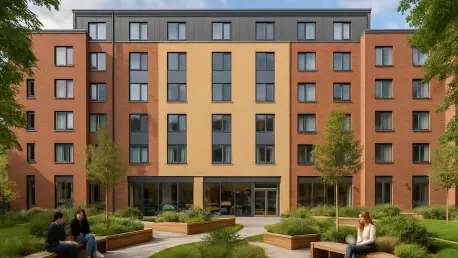

The transformation of student housing from basic shelter to high-performance wellness environments represents a fundamental shift in how institutional capital views the academic lifecycle. In Reading, this evolution is taking physical form at Central Studios, where a major refurbishment program is redefining the standard for Purpose-Built Student Accommodation (PBSA). By prioritizing the psychological and physical needs of residents, Aprirose is moving beyond the “bricks and mortar” approach to create a hospitality-driven experience.
Why Modern Student Success Starts with Resident-Centric Design
The traditional dormitory experience is rapidly fading as today’s scholars demand more than just a place to sleep; they require environments that actively support their mental wellbeing and academic focus. When a simple mattress upgrade is cited as a top priority by residents, it signals a shift in the real estate market toward a hospitality-first approach. Aprirose’s latest investment highlights how the industry is moving away from basic accommodations toward premium, performance-driven living spaces.
These modern living environments act as catalysts for academic excellence by reducing external stressors. Design choices, such as optimized acoustic insulation and ergonomic furniture, allow students to transition seamlessly between intense study sessions and restorative rest. This holistic focus on the resident experience ensures that the physical space contributes to the overall success of the university community.
Understanding the Market Drivers: Reading’s Housing Demand
The decision to modernize existing assets is rarely just about aesthetics; it is a calculated response to specific regional economic conditions. In Reading, high occupancy rates paired with a stagnant pipeline for new developments have created an environment where existing properties must evolve to remain competitive. By focusing on asset enhancement, investors can address the city’s housing shortage while ensuring their current portfolio meets the rising expectations of an international student body.
Furthermore, the economic stability of the Reading area makes it an attractive hub for institutional investment. As the cost of new construction remains high, the strategic repositioning of existing structures offers a more sustainable path to value creation. This approach allows developers to deliver high-quality housing faster than a ground-up build, meeting immediate demand without the prolonged timelines of new site acquisitions.
Transforming Central Studios: A Multi-Faceted Strategy
The revitalization of the 141-unit complex involves a comprehensive strategy that touches every square foot of the facility. Private studios are receiving soft refurbishments, including redecoration and new furniture packages, while communal zones are being reconfigured to facilitate better social interaction and group study sessions. Technical upgrades to corridors, lift lobbies, and bathroom facilities ensure that the building’s infrastructure matches its visual improvements.
Beyond the visible changes, the project addresses the functional longevity of the property through significant mechanical and aesthetic overhauls. New windows and doors improve energy efficiency, while modernized lighting systems create a more inviting atmosphere in shared spaces. These enhancements effectively extend the operational lifespan of the building, providing a durable solution for the next generation of residents.
Professional Perspectives: Extending Asset Lifespan
Industry experts from Watkin Jones’ specialist division, Refresh, emphasize that modernizing an operational building requires a blend of technical precision and resident empathy. Current trends in the UK real estate market suggest that asset repositioning is becoming a preferred method for institutional investors to drive long-term value. This project serves as a practical example of how data-driven feedback can dictate the direction of large-scale capital expenditures.
The collaboration between asset owners and specialist contractors allowed for a more nuanced approach to renovation. Instead of a generic overhaul, the team utilized direct resident feedback to prioritize high-impact changes, such as improved bedding and modernized lighting. This focus ensured that the capital was deployed efficiently, maximizing both resident satisfaction and the overall market value of the property.
The Live-Environment Blueprint: Seamless Facility Modernization
Executing a major renovation while residents were still in the building required a specific framework to prevent disruption to daily academic life. A successful phased approach involved coordinating construction schedules around peak student hours and concentrating heavy work during transition periods. By adopting an intelligent reconfiguration model, the developers enhanced the functionality of reception and amenity areas without displacing tenants.
The initiative established a blueprint for sustainable asset management in a mature PBSA market. Stakeholders discovered that integrating feedback-driven renovations with technical infrastructure repairs ensured the building’s relevance for another decade. The project solidified the importance of a proactive stance on facility maintenance, proving that localized improvements offered higher returns than speculative new builds. Moving forward, the industry looked toward these technical strategies to mitigate risks in high-density urban environments.