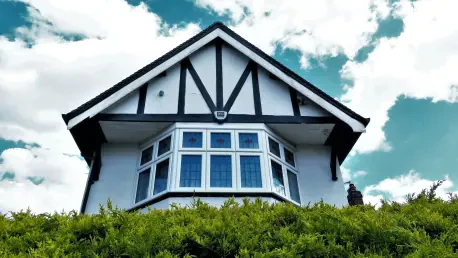

The traditional obsession with maintaining a pristine facade is rapidly fading as modern residents prioritize high-performance interior environments that support holistic health and productivity. For decades, the value of a property was largely dictated by its outward appearance, with manicured lawns and ornamental shutters serving as the primary indicators of a successful household. However, a significant cultural pivot has redirected financial investments toward the hidden systems that regulate daily life. Homeowners are now opting for advanced filtration systems, superior acoustic insulation, and ergonomic spatial layouts over expensive landscaping. This transition reflects a deeper understanding of the home as a functional sanctuary rather than a static display piece. As life becomes increasingly localized within the domestic sphere, the demand for interiors that mitigate stress and maximize efficiency has surpassed the desire to simply impress the neighborhood with a striking aesthetic.
Evolution of Indoor Wellness Systems
Invisible infrastructure has become the new hallmark of luxury and quality, replacing the superficial upgrades that previously dominated home renovation trends. Modern homeowners are prioritizing Medical Grade HEPA #3 filtration systems and advanced ERV units that ensure a constant flow of fresh air while removing pollutants. This focus on respiratory health and indoor air quality often takes precedence over exterior masonry or high-end siding. Similarly, the demand for soundproofing has surged as more people seek to eliminate the intrusion of neighborhood noise and traffic. High-density acoustic drywall and triple-paned vacuum-insulated windows are being installed not for their look, but for the profound silence they provide inside the living space. These upgrades represent a sophisticated shift toward sensory management, where the goal is to create a controlled environment that remains unaffected by the external world, thereby enhancing the overall quality of sleep and relaxation.
Technological advancements in circadian lighting systems demonstrate how internal comfort has outpaced external style in the hierarchy of home design. Instead of spending thousands on designer outdoor lighting meant to illuminate a property for strangers, residents are investing in smart LED arrays that mimic natural daylight cycles to regulate melatonin and cortisol levels. These systems adjust color temperature and intensity throughout the day, significantly improving the mood and productivity of those working from home. Furthermore, the selection of materials has shifted from being purely visual to tactile and ergonomic. Buyers are now seeking non-toxic, low-VOC finishes and cork or bamboo flooring for their natural cushioning and thermal properties. The emphasis is on how a room feels and functions for the body rather than how it looks in a photograph. This design philosophy recognizes that the physical well-being of the user is the ultimate measure of a home’s success, regardless of the exterior.
The Economic Logic of Internal Investment
The transition toward a remote-centric workforce has fundamentally altered the financial calculus of home ownership, making internal utility a far more valuable asset than curb appeal. Dedicated office suites equipped with professional-grade acoustic treatment, fiber-optic networking, and integrated smart-home hubs are now the primary features that drive property value. These spaces are no longer treated as secondary rooms but as essential components of a career-supporting infrastructure. Homeowners are allocating their budgets to ensure these areas offer the highest level of physical comfort, including specialized HVAC zones and ergonomic built-ins that prevent fatigue. While an overgrown lawn might slightly decrease initial interest, a poorly equipped interior that lacks modern connectivity is considered a dealbreaker. The focus has shifted from the prestige of an address to the performance of the square footage, reflecting a broader trend where the house is viewed as a high-utilization tool rather than a passive investment.
Energy efficiency and structural resilience have emerged as the dominant factors in property valuation, often overshadowing traditional aesthetic considerations like garden design. Modern buyers are scrutinizing the R-value of wall insulation and the efficiency ratings of heat pump systems before they even look at the kitchen cabinetry. This pragmatic approach stems from a desire to minimize recurring operational costs while maximizing year-round thermal stability. Homes that feature airtight envelopes and smart energy management systems are fetching higher prices because they offer a tangible return on investment through lower utility bills and increased comfort. The market has begun to reward these substantive upgrades over superficial ones, as savvy investors recognize that a well-insulated, comfortable home retains its value better. Consequently, the curb appeal of the future is less about a pretty facade and more about a visible commitment to sustainability and high-performance engineering that promises a lower total cost of ownership.
Strategic Investments in Holistic Living
The paradigm of domestic design successfully moved away from the exterior shell to the interior core, establishing a new standard for residential excellence. Homeowners who prioritized these internal upgrades discovered that the integration of wellness-focused technology and superior structural efficiency provided a greater impact on daily life than visual ornamentation. To achieve a balanced living environment, it became essential to conduct a comprehensive home audit that prioritized mechanical systems and air quality before addressing cosmetic issues. Future renovations favored flexible layouts that could adapt to changing life stages, ensuring that the property remained functional for decades. Experts recommended that individuals focused on the invisible layers of their homes, such as sealing the building envelope and installing smart sensors. By shifting the focus inward, the residential market redefined luxury as a state of sustained well-being, proving that the true value of a home was found in its ability to nurture its inhabitants.