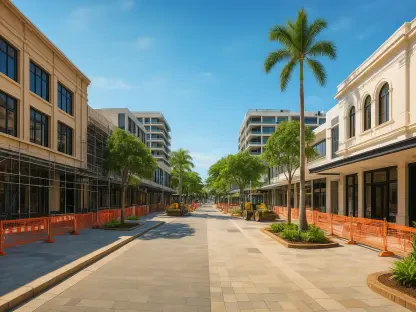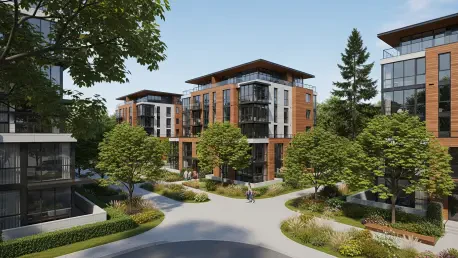

The architectural landscape of Vancouver’s Fairview neighborhood currently stands at a crossroads as city officials and residents grapple with the significant modifications made to the ambitious Balfour Block redevelopment plan. Spanning the prominent 900-blocks of West 18th and 19th Avenues, this specific site has transformed from a beacon of inclusive urban design into a contentious symbol of the economic challenges facing modern housing developers. What was once envisioned as a vibrant, multi-generational hub featuring essential social infrastructure is now being reimagined through a lens of austerity and market pragmatism. This shift highlights a broader crisis in municipal planning where the rising costs of construction and borrowing threaten to strip away the public benefits that typically justify high-density rezoning. As the community waits for a definitive council decision, the debate over the Balfour Block serves as a critical test case for whether the city can still demand social accountability in a volatile market.
Shifting Visions: Comparing the Original and Revised Proposals
In the initial stages of the project, a comprehensive master plan for the Balfour Block received widespread support for its robust commitment to social equity and diverse housing options. This 2022 framework envisioned a sophisticated mix of housing types, including ninety-nine rental units, along with various condos and townhouses that aimed to create a balanced demographic within the neighborhood. A key component of this proposal was the inclusion of twenty-five units specifically designated as below-market housing, intended to provide relief for middle- and lower-income families struggling with the city’s high cost of living. Furthermore, the plan featured a dedicated childcare center, a crucial amenity in an area where such services are in desperately short supply. This version of the project aligned perfectly with Vancouver’s long-term urban goals, promising a high-density environment that prioritized communal well-being and integrated the needs of different socioeconomic groups into a single vision.
However, the landscape changed significantly when Wesgroup Properties submitted a revised application that stripped away many of the most popular features of the original design. Citing the harsh realities of increased interest rates and soaring construction costs that have plagued the industry since early 2024, the developer moved away from the integrated multi-unit model. The current proposal eliminates the childcare center and completely removes the twenty-five below-market rental units that were once the cornerstone of the project’s social value. Instead of a large-scale, coordinated residential development, the plan now suggests dividing the site into nineteen individual lots for fee-simple multiplexes. This fragmented approach represents a significant departure from the master-planned density originally promised, signaling a move toward a development model that is far easier to finance but much less beneficial to the public at large. By scaling back the scope, the developer aims to mitigate financial risk while inadvertently challenging the city’s ability to enforce community-benefit agreements.
Social Infrastructure: The Conflict Between Profit and Public Good
The removal of the planned childcare facility from the Balfour Block proposal has emerged as a primary point of contention for local advocates and young families in the Fairview area. Vancouver is currently mired in a chronic shortage of childcare spaces, a crisis that has forced many parents to leave the workforce or endure years-long waiting lists for a spot. Historically, the city has utilized rezoning negotiations as a primary tool to secure these essential services, trading increased density for developer-funded social infrastructure. By allowing a developer to backtrack on such a commitment, the municipal government risks signaling that social amenities are negotiable extras rather than essential requirements for sustainable urban growth. Critics argue that the increased population density brought by even a scaled-back project will place additional strain on existing local services, which are already operating at capacity. Without the inclusion of new facilities, the neighborhood may find itself in a deficit that further degrades the quality of life for all residents.
Despite these concerns, city planning staff have formally recommended the approval of the revised application, justifying their stance through a lens of extreme pragmatism. Their internal analysis suggests that in the current economic climate, the alternative to a scaled-back development is often no development at all, leaving aging and inefficient housing stock in place for decades. By accepting the removal of below-market units and childcare spaces, the city planners are effectively prioritizing the net increase in housing supply over the specific social targets that were previously established. This compromise reflects a difficult balancing act, but opponents argue it sets a dangerous precedent that could undermine future negotiations with other developers. If market volatility is accepted as a valid excuse for abandoning social responsibilities, then the entire framework of using private development to fund public goods may be at risk. This tension between ensuring the financial viability of construction and protecting the public interest remains the central conflict at the heart of the Balfour Block debate.
Housing Affordability: Policy Shifts and Policy Failures
A critical failure of the revised plan lies in its inability to meet the affordability requirements outlined in the City of Vancouver’s own Cambie Corridor Plan. This policy framework typically mandates that at least twenty-five percent of units in new large-scale rental developments must be offered at below-market rates to ensure that growth does not lead to total socioeconomic exclusion. The new Balfour Block proposal, by shifting toward fee-simple multiplexes, bypasses these requirements entirely, resulting in a project that offers zero units for low-income residents. This shift raises serious questions about the integrity of the city’s housing strategy and its willingness to hold developers accountable to established policies. When a project fails to provide affordable options, it contributes to the ongoing trend of gentrification, where newer, more expensive housing replaces older, more affordable units. This process inevitably leads to the displacement of the very residents who need housing security the most, further exacerbating the city’s divide between the wealthy and the working class.
Furthermore, the move toward fee-simple lots for multiplexes represents a significant shift toward decentralized density that primarily benefits high-income buyers. While multiplexes are often touted as “missing middle” housing, the reality in a high-demand market like Vancouver is that these units are frequently priced far beyond the reach of average families. By dividing the land into individual lots, the developer can sell the property more quickly and transfer the construction risk to individual owners or smaller builders. However, this strategy sacrifices the cohesive site planning that a single, large-scale developer can provide, such as shared underground parking, unified green spaces, and integrated social hubs. The result is a more fragmented urban fabric that lacks the community-oriented design of the original 2022 proposal. This approach may solve the developer’s immediate financial concerns, but it does little to address the systemic need for diverse and affordable housing types that can accommodate the city’s evolving demographic and economic requirements.
The Human Element: Social Cost and Tenant Displacement
For the existing residents of the Balfour Block, the ongoing redevelopment process has resulted in a precarious state of redevelopment limbo that has lasted for several years. Many of these tenants are low-income seniors or individuals living with disabilities who have called this neighborhood home for decades and rely on local support networks. The prospect of losing their relatively affordable older rental units is a source of immense anxiety, as there are few comparable options available in the current market. The psychological toll of this uncertainty cannot be overstated, as residents watch the planning process unfold with little control over their own futures. While redevelopment is often framed as a necessary step for urban renewal, the human cost is frequently borne by the most vulnerable members of the community. For these residents, the debate is not just about floor-area ratios or amenity contributions; it is a fundamental struggle for their right to remain in the community they helped build and where they feel safe and supported.
Although the developer has promised to comply with the city’s tenant relocation policies, including covering moving costs and providing some financial compensation, many advocates argue these measures are insufficient. The right of first refusal offered to displaced tenants often proves to be an empty promise when the new units are rented at market rates that are double or triple what the previous residents were paying. Without a significant portion of below-market units guaranteed on the site, the existing community is almost certain to be permanently displaced. This situation highlights a growing concern that Vancouver’s push for density is being achieved at the expense of its social diversity and historical character. As older rental stock is systematically replaced by high-end market housing, the city risks becoming an exclusive enclave for the wealthy, losing the vibrant mix of people that gives its neighborhoods their unique identity. The plight of the Balfour Block tenants is a stark reminder that urban development must be measured by more than just the number of new doors created.
Future Considerations: Reimagining the Urban Development Framework
The resolution of the Balfour Block debate necessitated a rigorous re-evaluation of how municipal governments can foster development without sacrificing the public good. It became clear that the city required more robust financial mechanisms to support developers in high-interest environments, perhaps through tax incentives or direct subsidies specifically tied to the delivery of childcare and affordable housing. Moving forward, planners recognized the importance of creating ironclad community benefit agreements that remain enforceable regardless of market fluctuations, ensuring that social promises are not the first things cut when profit margins tighten. The city also began exploring the creation of a municipal land bank that could step in to co-develop sites when private entities were unable to meet affordability targets. Ultimately, the lessons learned from this controversy highlighted the need for a more collaborative approach to urban growth, where risk and responsibility are shared more equitably between the sectors.
The move toward more granular, fee-simple developments like the revised multiplex plan also prompted a need for new design standards to ensure that neighborhood character and public space were not lost in the transition. Planners advocated for the implementation of mandatory architectural guidelines that require individual lot owners to coordinate on landscaping, waste management, and pedestrian access, effectively simulating the benefits of a master-planned site. Furthermore, the city began prioritizing the retention of existing low-income residents through more aggressive tenant protection laws, including mandates for truly equivalent housing replacements in any new development. These policy adjustments served as a catalyst for a new era of urban planning that sought to stabilize the housing market while protecting the social fabric of Fairview and other evolving neighborhoods. By shifting focus from sheer unit counts to sustainable, inclusive growth, the city aimed to ensure that future redevelopments would genuinely serve the diverse needs of all Vancouverites.