
The living room landscape has undergone a radical transformation as homeowners increasingly reject the rigid design rules that once favored safe, predictable color palettes for their primary seating investments. As of early 2026, the interior design industry has observed a decisive pivot away from clinical, uninspired tones that dominated the previous decade, favoring instead a more nuanced and emotionally resonant approach to home furnishing. This shift is not merely about aesthetic preference but reflects a deeper psychological desire for spaces that feel organic, curated, and personal rather than mass-produced. The sofa, traditionally serving as the visual and physical anchor of the home, now carries the burden of defining a room’s entire character, making the selection of its hue a critical decision for long-term style. By analyzing current market movements and consumer behavior, it becomes clear that certain colors, once considered timeless staples, are rapidly losing their relevance in the modern residential environment.
The Faded Appeal of Saturated Navy and Coastal Blue
Deep, saturated navy was once heralded as the ultimate non-neutral neutral, offering a sense of security and formality for those hesitant to embrace brighter pigments. However, this specific shade of blue has begun to feel remarkably rigid and overly formal for the relaxed, multi-functional living spaces that define 2026. Design experts note that true navy often forces a room into a narrow coastal or traditional theme that lacks the flexibility required for modern eclectic styles. Because this color absorbs a significant amount of light, it can make smaller living areas feel cramped and somber rather than cozy. Furthermore, the ubiquity of navy in commercial and office settings has stripped it of its residential charm, leading homeowners to seek out more unique alternatives that provide depth without the stiff, nautical connotations associated with the previous era of interior design.
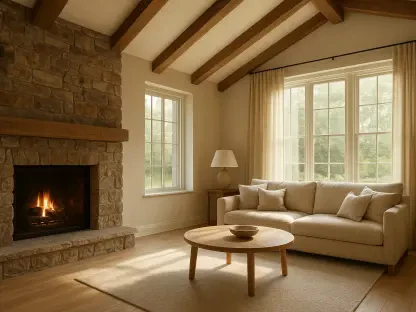
In contrast to the heavy presence of saturated navy, the current trend favors weathered, ethereal blues and grounding greens that mimic the natural world more effectively. Shades such as soft blue-gray, sky blue, and particularly sage green have risen to prominence because they offer a versatile foundation for layering varied textures and patterns. Sage green, in particular, has effectively replaced navy as the preferred grounding color due to its ability to harmonize with natural wood finishes and organic textiles. These nature-derived tones provide a sense of calm and openness that saturated blues simply cannot achieve. By moving toward these more atmospheric colors, designers are creating spaces that feel breathable and interconnected with the outdoor environment. The transition signifies a broader move away from the “safe statement” of dark blue toward a more sophisticated and airy palette that prioritizes the homeowner’s well-being and visual comfort.
Shifting from Monochromatic Gray to Expressive Textures
The era of cool-toned, clinical gray has finally reached its conclusion, as the “millennial gray” aesthetic is now viewed as sterile and devoid of personality. For several years, homeowners relied on flat grays to provide a clean, modern look, but the result was often a living space that felt more like a corporate lobby than a sanctuary. By 2026, the industry has fully embraced warmth and character, leaving these icy neutrals behind in favor of creamy off-whites, warm ochres, and complex taupes. The problem with traditional gray lies in its inability to interact dynamically with changing light, often appearing muddy or dull in low-light conditions. As consumers move toward “maximalist” and kitschy influences, the demand for sofas that serve as a blank, gray canvas has plummeted, replaced by a desire for furniture that contributes its own unique voice to the architectural narrative of the home.
Beyond the rejection of flat neutrals, there is a burgeoning interest in richly patterned fabrics that inject whimsy and charm into the living room. Floral prints, classic stripes, and intricate jacquards are no longer reserved for antique furniture but are being applied to modern sofa silhouettes to create an eclectic, curated feel. This shift toward pattern-heavy upholstery allows individuals to showcase their personality and deviate from the mass-produced look of the early 2020s. While bold patterns require a greater level of commitment than a solid gray fabric, they are celebrated for their ability to hide wear and tear while providing a sophisticated, lived-in aesthetic. The movement toward expressive textiles suggests that the modern homeowner is less concerned with resale value and more focused on creating a home that reflects their personal journey and creative tastes, marking a significant departure from the era of safe, neutral investments.
The Final Verdict on Earthy Pigments and Timeless Finishes
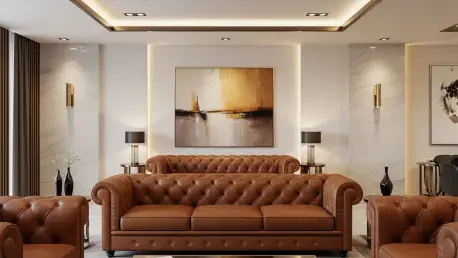
The transition in color preferences culminated in a specific skepticism toward trend-heavy, flat browns like “Mocha Mousse,” which proved to be far more fleeting than initially anticipated. While brown generally remains a popular choice for its warmth, these specific, over-saturated shades began to look obsolete almost as soon as they gained mainstream attention. The design community found that flat brown fabrics often lacked the necessary depth to remain visually interesting over time, leading to a renewed appreciation for material-driven color. Instead of choosing a trend-based pigment, savvy consumers shifted their focus toward classic materials that possess historical staying power. Cognac leather, tobacco velvet, and natural linen were recognized for their ability to age gracefully, with their colors evolving through texture and light rather than relying on a static dye that could easily fall out of fashion.
The decision to move away from rigid, default color choices reflected a broader commitment to authenticity and the use of organic materials. Designers advocated for palettes that harmonized with stone, wood, and raw metals, ensuring that the sofa remained a cohesive part of the interior for years to come. By prioritizing nature-inspired tones and deeply personal patterns over the dictates of the mass market, the industry fostered an environment where longevity and individuality were held in higher regard than fleeting fads. Homeowners who invested in high-quality textures and versatile, atmospheric hues found that their spaces remained relevant and inviting. The shift underscored a fundamental lesson in interior styling: true luxury was found in the ability to create a space that felt timeless and unique, rather than one that merely followed the latest color report. Through this evolution, the living room was transformed into a more meaningful and enduring reflection of modern life.