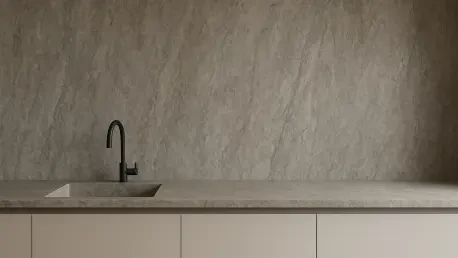

Using a single bold stone material for both the countertop and the backsplash creates a high-impact, seamless look that anchors the entire room’s design. As the design industry moves through 2026, professionals are looking toward 2027 with a renewed focus on emotional resonance and historical depth. Shea McGee, a prominent figure in the interior design space, suggests that the coming era will prioritize kitchens that function as soulful extensions of the living area rather than mere workspaces. This departure from the clinical, high-gloss aesthetics of previous cycles marks a move toward organic textures and architectural complexity. Homeowners are increasingly seeking environments that feel evolved and “collected” over years of inhabitation. By softening the rigid boundaries between food preparation and domestic life, the next wave of design fosters a sense of permanence and warmth. This evolution is driven by a desire for authenticity, where every element—from the choice of timber to the lighting—contributes to a narrative of home life that is both sophisticated and approachable. This maturation of the kitchen reflects a broader cultural shift toward prioritizing the human experience within the built environment, ensuring every corner feels intentional and deeply personal.
Natural Materials: Wood and Stone Evolution
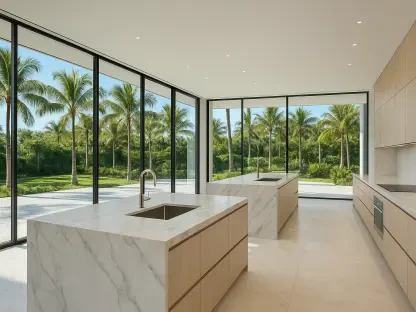
The transition toward deeper, character-rich wood species represents a significant pivot from the lighter palettes that dominated earlier in this decade. While white oak remains a staple, the 2027 outlook highlights the growing popularity of walnut and varied oaks with pronounced grain patterns. These materials introduce a grounding presence that serves as an architectural foundation for the entire kitchen. Instead of being relegated to minor accents, these woods are taking center stage in full-height cabinetry and large-scale islands. This shift provides a much-needed antidote to the “bright and white” movement, offering a richer visual texture that feels substantial and lasting. The intentional use of natural variations in wood grain allows the cabinetry to behave like fine furniture, blurring the lines between the kitchen and more formal living spaces. This approach ensures that the environment feels rooted in history while remaining functional for modern needs. The richness of the grain adds a layer of sophistication that is both tactile and visually engaging. By treating wood as a core structural element, designers can create a space that feels inherently high-end without relying on superficial ornamentation or synthetic finishes.
Natural stone is evolving from a supporting background element into the definitive focal point of high-end kitchen design. For 2027, the preference is shifting toward marbles and quartzes that showcase dramatic veining and high-movement patterns. These expressive stones serve as a canvas for the room, with warm color palettes like gold, rust, and deep gray replacing the stark whites of the past. The use of stone is becoming more adventurous, with slabs frequently wrapping from the countertop up the wall to form a full-height backsplash. This technique creates a seamless, monolithic appearance that maximizes the impact of the stone’s natural beauty. One of the most compelling reasons for the move toward bold natural stone is its inherent ability to age with grace. The concept of patina—the natural wear and softening of a surface over time—is becoming a desired feature rather than something to be avoided. This appreciation for imperfection is central to the “lived-in” luxury aesthetic that will define the coming years. By selecting a stone with significant character, a designer ensures that the kitchen has a unique identity that cannot be replicated with mass-produced materials, fostering a sense of artistic permanence through the organic storytelling of the earth.
Design Philosophy: Softness and Architectural Synthesis
The “soft kitchen” movement is fundamentally altering the perception of what a culinary space should look like and how it should feel. This trend involves the deliberate integration of decorative elements that were once reserved strictly for the living room or study. We are seeing a rise in the use of small table lamps on the countertops, curated artwork displayed on shelves, and even textiles that soften the acoustic and visual profile of the room. By moving away from the purely utilitarian, industrial edge that has defined modern kitchens, this aesthetic encourages a more relaxed and lingering atmosphere. Homeowners are treating the kitchen as a central lounge area, where the hard, cold surfaces of appliances are tempered by warm light and personal artifacts. This integration suggests that the kitchen is no longer a separate, isolated zone for labor but a core part of the home’s social fabric. Integrating freestanding furniture pieces is another hallmark of this trend, breaking up visual continuity and adding scale. Using these elements creates a bridge between functional tasks and the comfort of daily life, transforming the kitchen into a sanctuary of style that feels more like a library or lounge than a commercial workspace.
Looking forward, the transition toward these design philosophies offers a clear path for those planning future renovations or new builds. Homeowners were encouraged to prioritize materials that offer longevity and character over quick-fix aesthetic trends. The move toward “lived-in” luxury demonstrated that a kitchen’s value lies as much in its atmosphere as in its functionality. To prepare for the upcoming shifts, one should consider how individual pieces—such as a specific vintage light fixture or a singular slab of stone—can be integrated as lifelong investments. The emphasis shifted toward choosing quality over quantity, where every detail served a specific purpose in the home’s broader narrative. Future designs will likely continue to explore the boundaries between different living zones, suggesting that the most successful kitchens will be those that feel the least like traditional kitchens. By investing in natural materials that age well and focusing on a “collected” aesthetic, the domestic space evolved into a timeless sanctuary that remained relevant for generations to come. The industry prioritized the emotional resonance of the home, ensuring that functionality never came at the cost of soul or beauty.