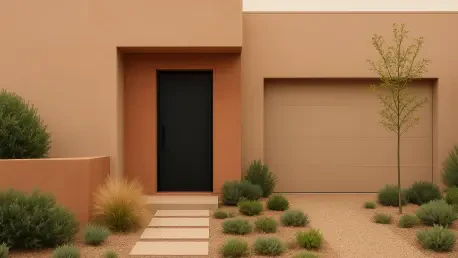

Homeowners are increasingly moving away from high-contrast aesthetics in favor of a design philosophy that prioritizes material confidence and architectural longevity over fleeting trends. This transition represents a significant departure from the stark, clinical minimalism that dominated neighborhood streets for nearly a decade. The previous era, characterized by monochromatic white-and-grey schemes, is yielding to a more nuanced approach that values organic warmth and environmental integration. Instead of imposing a rigid look upon a property, modern design seeks a dialogue between the structure and its natural surroundings. This evolution is driven by a desire for homes that feel permanent and grounded rather than like temporary showrooms. By focusing on how light interacts with texture and how materials age, designers are crafting facades that offer visual depth. This approach sets a new standard for curb appeal in the current market, moving toward a cohesive aesthetic.
Transitioning Toward Grounded Palettes and Earthy Hues
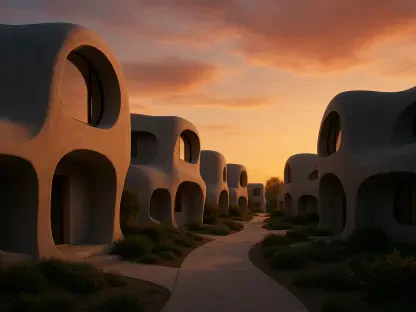
The most striking evolution in the current design landscape is the deliberate abandonment of high-contrast palettes in favor of grounded, earth-derived hues. Architects are increasingly specifying colors like warm taupe, dusty sage, soft terracotta, and various clay tones to replace the once-ubiquitous cool greys. These mid-tone shades are chosen for their ability to provide a sense of stability and comfort that stark colors often fail to achieve. Practically speaking, these grounded palettes are superior at maintaining their appearance between cleanings, as they naturally mask the environmental dust and debris that can ruin the look of a bright white facade. This shift toward warmer mid-tones reflects a broader cultural movement toward authenticity and a rejection of the high-maintenance museum look that previously defined luxury. Consequently, the selection of color has become a tool for creating a sense of history and permanence in even the newest residential constructions.
Beyond immediate aesthetic appeal, these nature-inspired shades offer a level of versatility that clinical palettes simply cannot provide across diverse architectural styles. Whether applied to a sleek contemporary build or a traditional manor, earth tones allow a structure to sit comfortably within its environmental context. The prevailing objective is to achieve a look that feels inevitable—as though the residence was destined to emerge from the very land it occupies. This philosophy encourages designers to look at the regional landscape for color inspiration, pulling from local stones, soils, and foliage to inform the exterior finish. By doing so, the home becomes a harmonious part of the neighborhood fabric rather than a jarring visual interruption. This trend is not merely about personal preference but represents a collective shift toward creating enduring beauty that respects the surroundings while ensuring a property remains visually relevant as styles evolve.
Integrating Fixed Elements and Technical Selection Methods
A fundamental change in the planning phase of modern renovations is the mandatory prioritization of fixed elements before any paint colors are even considered. This fixed elements first framework requires that the roof, foundation, driveway, and existing masonry serve as the primary constraints for the design palette. By treating these permanent features as the foundation of the visual strategy, homeowners effectively eliminate the risk of expensive regret caused by clashing tones. For instance, a home with brown roof shingles necessitates a warm body color to maintain visual harmony, whereas forcing a cool charcoal onto such a structure would create a disjointed aesthetic. Professionals now view existing brick or stone as the lead actor in the design, with paint playing a supporting role to enhance rather than compete with these natural materials. This disciplined approach ensures that the renovation feels intentional and sound, providing a seamless transition between surfaces.
To achieve the technical precision required for a professional-grade finish, the industry has moved away from small swatches in favor of large-scale sample boards. These boards, often measuring at least 12 by 24 inches, are now the standard tool for evaluating how light interacts with different pigments throughout the day. Homeowners are advised to observe these samples during three critical intervals: the morning, midday, and the golden hour of the late afternoon. This rigorous testing process is essential for identifying subtle undertones—such as hidden blues in a grey or unwanted yellows in a white—that shift under varying environmental conditions. Understanding these secondary hues is a non-negotiable step in the design process, as it prevents a facade from looking unintentionally cold or dated. This level of technical scrutiny reflects a growing sophistication among property owners who view their exterior as a high-performance architectural component rather than just a decorative layer.
Material Confidence and the Rise of Biophilic Textures
The current aesthetic is firmly rooted in material confidence, which emphasizes the inherent quality and tactile richness of building materials over decorative complexity. This trend is a vital component of the biophilic design movement, which seeks to strengthen the physical and psychological connection between residents and the natural world. Instead of relying on a single siding material for the entire facade, the most successful modern projects utilize sophisticated textural layering to create visual depth and interest. This involves the strategic combination of different surfaces, such as fiber cement planks, natural stone veneers, and organic wood accents, to break up large elevations and provide a sense of human scale. By varying the textures, designers can draw attention to specific architectural features while maintaining a cohesive look. This move toward materiality represents a shift away from flat surfaces toward facades that feel substantial, echoing variations found in nature.
Fiber cement remains the preferred material for full-scale exterior renovations due to its exceptional durability and resistance to stressors like moisture and pests. In the current market, there is a clear preference for wider plank profiles, often ranging from 8 to 10 inches, which offer a cleaner and more contemporary appearance than traditional narrow siding. When these smooth-finished planks are paired with natural stone accents on chimneys or water tables, the result is a facade that conveys both permanence and modern elegance. The addition of warm wood details, such as cedar gables or ipe entrance ceilings, completes the material trio that has become the gold standard for high-end curb appeal. These organic elements introduce a necessary warmth that balances the cooler, harder surfaces of stone and cement. This combination enhances the visual complexity of the home while ensuring that the exterior can withstand the passage of time with minimal maintenance requirements.
Redefining Entryways Through Scale and Cohesive Finishes
As the primary focal point of any residence, the entryway is undergoing a significant transformation in terms of physical scale and stylistic intentionality. The traditional, undersized front door is increasingly being replaced by larger, more substantial units that provide the proper architectural weight for the facade. Many homeowners are opting to expand their entryways with sidelights and transoms, creating a more welcoming visual handshake for visitors. This area is also where the most intentional color statements are made, as the front door offers a perfect opportunity to introduce a bold hue that complements the grounded tones of the main body. Popular choices include deep forest greens, sophisticated navies, and aged terracottas that add personality without feeling garish. By focusing on the scale and color of the entrance, property owners create a powerful first impression that sets the tone for the entire interior, making the home feel both more secure and more inviting.
The trend toward visual cohesion has led to a newfound scrutiny of exterior hardware, moving the industry away from the haphazard mixing of finishes. Modern design standards now advocate for a unified hardware system where every element—from the door handle and house numbers to the light fixtures and mailbox—shares a consistent finish. This approach eliminates unnecessary visual noise and reinforces the sense of intentional design that defines the current era. While matte black continues to be a dominant choice for its clean, modern lines, there is a growing interest in unlacquered brass and satin nickel for those seeking a more traditional appearance. The key is consistency; ensuring that all metal accents harmonize creates a polished look that elevates the perceived value of the property. This attention to detail reflects a broader commitment to quality, where even the smallest components are viewed as essential contributors to the home’s overall architectural narrative and success.
Sustainable Value Through High-Impact Strategic Interventions
For those who are not ready for a total exterior overhaul, the focus has shifted toward high-impact, low-budget strategic interventions that deliver significant visual returns. These micro-renovations allow homeowners to align their properties with modern design trends for a small investment, often under five hundred dollars. One of the most effective strategies involves the intentional repainting of the front door using high-quality pigments that offer deep, saturated color. Additionally, the replacement of dated, mismatched house numbers and exterior sconces with modern, coordinated sets can instantly refresh a tired facade. These small updates, when combined with basic maintenance like pressure washing to restore the original integrity of driveways and siding, make a dramatic difference in curb appeal. This democratization of design means that achieving an intentional look is no longer exclusive to massive renovations, but is accessible to any homeowner focusing on detail.
The transition in residential exterior design throughout this year reflected a maturing market that valued substance over style. Designers successfully moved beyond the sterile trends of the previous decade by embracing materiality and environmental context as the primary drivers of aesthetic choice. For those looking ahead, the most effective path forward involved a commitment to long-term architectural health rather than quick visual fixes. Property owners prioritized landscape editing, such as pruning overgrown greenery to reveal a home’s structural lines, which provided a clean frame for new material choices. This approach ensured that every modification contributed to a cohesive narrative of quality and permanence. By focusing on the interaction between light and natural surroundings, the industry established a framework for homes that will age with grace. Moving forward, the emphasis on material confidence and grounded palettes remains the most reliable strategy for creating a timeless residence.