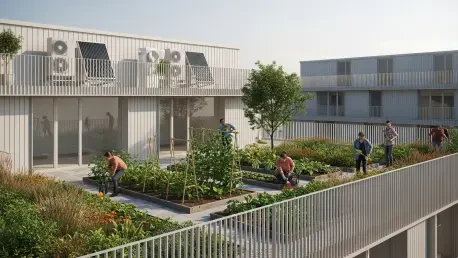

The intersection of high-density residential architecture and ecological preservation is no longer a distant aspiration for urban planners but a tangible reality surfacing in the heart of West London. As global metropolitan areas face the dual pressures of housing shortages and climate change, developments like Kew Bridge Rise are emerging as pivotal case studies in how to balance intense density with a light environmental footprint. This project signifies a shift away from the traditional, carbon-heavy glass towers of the past toward a more grounded, integrated approach to city living. By repurposing former industrial or underutilized sites, these modern initiatives breathe new life into established neighborhoods while strictly adhering to rigorous green building standards. The result is a vibrant ecosystem that prioritizes the health of the planet alongside the comfort of the residents, setting a standard that other developers must now follow to remain competitive in a market that increasingly values long-term sustainability over short-term aesthetic gains.
Integrating Advanced Systems for Environmental Resilience
Implementation of Decarbonized Energy Networks
At the core of this sustainable transformation lies a sophisticated energy strategy that moves away from fossil fuel reliance toward localized, renewable generation systems. Kew Bridge Rise utilizes an extensive network of air-source heat pumps and high-efficiency photovoltaic panels to provide heating and electricity to hundreds of homes. This shift is critical because it addresses the operational carbon emissions that typically plague high-rise developments throughout their multi-decade lifespans. Engineers have optimized these systems to respond dynamically to the varying demands of the residents, ensuring that energy is never wasted and that the overall carbon intensity of the building remains low. Furthermore, the integration of smart-grid technology allows for real-time monitoring of energy consumption, which has become a baseline requirement for new builds in 2026. This technological foundation serves as a blueprint for developments aiming to achieve net-zero status while maintaining the high standards of luxury expected in London.
Circular Construction and Material Selection
Sustainability in modern urban design extends far beyond the systems that power a building; it is deeply embedded in the very fabric of the structures themselves through circular economy principles. The selection of materials for Kew Bridge Rise emphasizes durability and low embodied carbon, utilizing recycled steel and responsibly sourced timber where traditional, high-emission concrete might have once been the default. Architects have also prioritized the concept of “long life, loose fit,” creating spaces that are flexible enough to be adapted for different uses as the needs of the community evolve over the coming decades. This approach drastically reduces the likelihood of demolition and the subsequent environmental waste associated with rebuilding. By focusing on the full lifecycle of the development, from the initial extraction of raw materials to the eventual decommissioning or repurposing of the site, the project ensures that its environmental debt is minimized. Such a commitment to material integrity demonstrates a profound understanding of the responsibilities that come with shaping the urban landscape for future generations.
Fostering Biodiversity within the Urban Core
Ecological Integration through Urban Rewilding
The integration of green infrastructure into the vertical landscape represents a fundamental shift in how residents interact with the natural world within an urban setting. Kew Bridge Rise features an intricate network of podium gardens and green roofs that act as more than just aesthetic amenities; they are functional biological corridors for local wildlife. By planting native species and installing specialized nesting sites for birds and insects, the development actively contributes to the biodiversity of the surrounding Brentford area. These green spaces also play a crucial role in mitigating the urban heat island effect, providing natural cooling during the increasingly warm summer months and managing rainwater runoff through permeable surfaces. For the people living there, the presence of lush, accessible greenery provides significant mental health benefits, offering a respite from the noise and movement of the city. This deliberate blending of the built and natural environments proves that high-density living does not have to come at the expense of ecological health, but can instead serve as a catalyst for environmental restoration.
Strategic Directions for Sustainable Neighborhoods
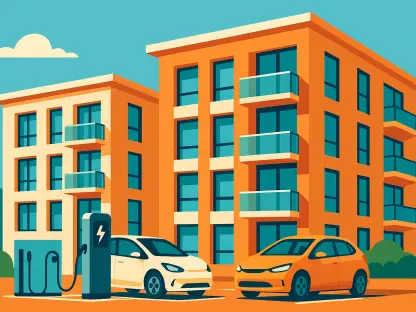
The implementation of these sustainable strategies at Kew Bridge Rise offered a definitive template for the evolution of London’s housing market. Developers moved toward prioritizing communal assets like electric vehicle charging hubs and shared rooftop allotments, which encouraged a collaborative and resource-efficient way of living. This project demonstrated that true urban sustainability required a shift in perspective, where the building was viewed as a vital node in a wider ecological network. Stakeholders learned that investing in high-performance envelopes and smart energy management yielded substantial long-term financial returns through reduced maintenance costs. To maintain this momentum, future urban projects should focus on deep integration with transit networks to further reduce car dependency. The lessons from this Brentford development provided evidence that sustainable urban living was both achievable and desirable. By adopting these proven design philosophies, the industry effectively moved toward a more resilient and equitable future for all city dwellers.