
The luminous transformation of interior spaces has elevated the chandelier from a dusty symbol of historical opulence to a sophisticated intersection of advanced lighting technology and contemporary sculptural art. While historically confined to the grand ballrooms of European estates and the high-ceilinged parlors of the Victorian era, these fixtures are currently undergoing a dramatic reassessment within the global interior design landscape. The industry, which held a valuation of approximately $14.9 billion in 2024, is now projected to expand steadily at a compound annual growth rate of 5.5%, ultimately reaching a significant market valuation of $25.8 billion by 2035. This growth reflects a fundamental shift in consumer behavior where homeowners no longer view lighting as a mere utility but rather as a primary decorative anchor for their living environments. Modern design sensibilities have allowed the chandelier to permeate diverse architectural styles, ranging from the stark minimalism of urban lofts to the expansive luxury of coastal villas. As the market progresses from 2026 through the next decade, the industry is poised to benefit from heightened disposable incomes and a renewed interest in artisanal craftsmanship that prioritizes both aesthetic form and functional brilliance.
Defining the Modern Chandelier Market: Technological and Material Foundations
The contemporary chandelier industry operates within a multifaceted ecosystem that integrates traditional artisanal methods with precision engineering and high-tech manufacturing processes. For centuries, the market was dominated by the heavy use of authentic lead crystal and solid brass, materials that symbolized wealth and durability but often limited the creative scope of the fixtures. Today, while these legacy materials continue to enjoy robust demand among traditionalists, the sector has diversified to include hand-blown glass, treated aluminum, and advanced carbon fiber alloys. This material expansion has allowed manufacturers to reduce the overall weight of large-scale installations while simultaneously increasing their structural resilience. Furthermore, the modern chandelier has evolved into a dynamic component of the smart home, moving far beyond its role as a static overhead light source. The integration of the Internet of Things has enabled homeowners to control light intensity, color temperature, and even directional focus through centralized automation systems or mobile applications. These technological advancements have turned chandeliers into highly customizable environmental tools that can adjust the mood of a room according to the time of day or the specific social context of an event.
Beyond the hardware itself, the market is increasingly defined by the complexity of the installation and maintenance infrastructure that supports these grand fixtures. High-end manufacturers now offer comprehensive service packages that include specialized structural engineering assessments to ensure that ceiling supports can accommodate the significant weight of oversized decorative pieces. The rise of sophisticated LED systems within these fixtures has also changed the maintenance cycle, replacing the frequent need for bulb changes with long-lasting, energy-efficient modules that can operate for tens of thousands of hours without degradation. This shift has encouraged more cautious buyers to invest in complex designs, knowing that the long-term operational costs and logistical burdens have been significantly reduced through modern engineering. The synergy between material science and digital connectivity has essentially redefined what a chandelier can be, moving it away from being a passive ornament and toward becoming a central piece of intelligent home infrastructure. This evolution ensures that the product remains relevant in an era where consumers demand that their luxury purchases offer both visual prestige and high-level technological utility.
Drivers of Industry Expansion: Urbanization and the Hospitality Sector
A primary catalyst for the current market expansion is the rapid pace of global urbanization and the subsequent surge in the construction of premium residential properties. As high-density luxury living becomes the standard in major metropolitan hubs, there is a growing demand for interior elements that can define a space and establish a unique sense of identity. In 2026, developers are increasingly incorporating statement lighting as a standard feature in high-end penthouses and luxury apartments to justify premium price points. Homeowners in these environments often use a central chandelier as the “jewelry” of the room, a focal point that ties together disparate design elements and reflects their personal aesthetic taste. This trend is particularly evident in the growing preference for bespoke lighting solutions, where clients collaborate directly with designers to create one-of-a-kind pieces that fit the specific geometry and light requirements of their homes. This shift toward personalization has invigorated the artisanal segment of the market, allowing smaller boutique studios to compete effectively with larger industrial manufacturers by offering a level of exclusivity that mass-produced items cannot replicate.
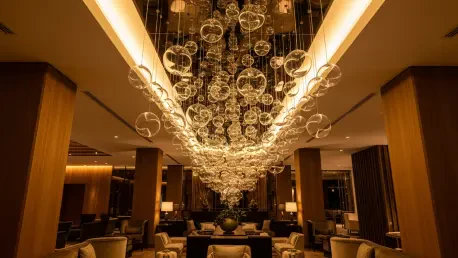
The hospitality industry remains another massive consumer of grand-scale lighting installations, acting as a consistent engine for market growth across various geographic regions. Luxury hotels, high-end resorts, and fine-dining establishments utilize chandeliers as powerful branding tools that help create an immediate emotional connection with their guests. In the competitive world of international tourism, the visual impact of a lobby or a ballroom can significantly influence a property’s reputation and its ability to attract high-net-worth clientele. As hospitality operators continue to prioritize extensive interior renovations to keep up with changing design trends, the demand for custom and oversized decorative installations has remained consistently high. These commercial projects often require unique engineering solutions, such as motor-driven lift systems for cleaning or modular designs that allow for easy transport and assembly on-site. The resilience of the hospitality sector, combined with its willingness to invest in large-scale decorative lighting to enhance the guest experience, provides a stable foundation for the industry’s long-term financial health and encourages continuous innovation in design and manufacturing.
Design Paradigms and Sustainability: The Influence of LED Integration
The transition from traditional incandescent bulbs to advanced LED technology has fundamentally revolutionized the way chandeliers are conceptualized and constructed. Traditional lighting designs were often dictated by the need to accommodate bulky sockets and provide sufficient heat dissipation for high-wattage bulbs, which frequently resulted in rigid and predictable forms. However, because modern LED components are incredibly compact and produce minimal heat, designers are now free to experiment with sleek, minimalist, and unconventional geometric shapes that were previously impossible to manufacture. This technological liberation has led to a “less is more” philosophy that resonates strongly with a younger, more design-conscious demographic. This consumer base often favors clean lines, ethereal silhouettes, and integrated light paths over the heavy ornamentation and intricate crystal draping of the past. As a result, the market is seeing a proliferation of “linear chandeliers” and “branching” structures that function as much as modern sculptures as they do as light sources, appealing to those who want a contemporary aesthetic without sacrificing the drama of a large-scale fixture.
In tandem with these aesthetic shifts, sustainability has emerged as a core concern for both manufacturers and eco-conscious consumers entering the market. The industry is currently witnessing a significant rise in the use of recycled metals, sustainably sourced glass, and low-impact production methods that minimize the carbon footprint of manufacturing. Manufacturers are increasingly transparent about their supply chains, highlighting the use of non-toxic finishes and the energy efficiency of their integrated light systems to attract a growing segment of environmentally aware buyers. Additionally, the demand for longevity has led to a move away from “throwaway” lighting toward heritage-quality pieces that are designed to be repaired and upgraded rather than replaced. This focus on durability and ethical production is not just a marketing strategy but a response to a genuine shift in consumer values, where the luxury of a product is measured as much by its environmental responsibility as by its visual splendor. By aligning modern design with sustainable practices, the chandelier market is ensuring its longevity in a global economy that is increasingly defined by the principles of the circular economy and responsible consumption.
Addressing Industry Challenges: Economic Barriers and Brand Integrity
Despite the robust growth projections for the sector, the chandelier industry must navigate several significant practical and economic hurdles that could impact its momentum. One of the most persistent challenges is the high cost of raw materials, which directly affects the retail price of luxury fixtures. Premium lead crystals, high-grade copper, and specialized glass require energy-intensive processing, and any fluctuation in the global commodities market can lead to sharp increases in production costs. For many price-sensitive consumers, these costs can make authentic luxury lighting inaccessible, potentially limiting the market’s reach to a narrower demographic of high-net-worth individuals. Furthermore, the inherent complexity of high-end chandeliers often necessitates professional installation by certified electricians and specialized structural contractors. These additional requirements can add a significant “hidden” cost to the purchase, sometimes deterring homeowners who are unwilling to manage the logistical burden of a complicated setup and the specialized maintenance schedules required to keep the fixtures in pristine condition.
The integrity of the market is also frequently challenged by the proliferation of low-quality, “look-alike” products that flood online marketplaces and discount retail channels. These counterfeit items are often manufactured using inferior materials such as plastic instead of crystal or thin, plated metals instead of solid alloys, allowing them to be sold at a fraction of the cost of authentic heritage brands. While these products might satisfy a casual consumer in the short term, they often fail to meet safety standards and lack the durability and light-refraction qualities of genuine pieces. This presence of inferior substitutes can confuse consumers and potentially dilute the perceived value of authentic, handcrafted brands that invest heavily in design and quality control. To combat this, established manufacturers are increasingly focusing on brand storytelling, offering certificates of authenticity, and utilizing proprietary design elements that are difficult to replicate. Maintaining a distinction between mass-produced decorative items and true artisanal lighting remains a critical priority for the industry as it seeks to protect its premium status and ensure that consumers recognize the long-term value of investing in high-quality craftsmanship.
Geographic Dominance: Regional Leaders and Emerging Market Powerhouses
The global landscape of the chandelier market is characterized by a fascinating mix of traditional manufacturing strongholds and rapidly expanding regional players. North America continues to represent a leading segment of the market, particularly in the demand for smart-integrated lighting and contemporary designs. High levels of consumer spending on home improvement, combined with a cultural affinity for large-scale residential aesthetics, have made the United States a primary destination for both local and international brands. Meanwhile, Europe remains the undisputed artistic heart of the industry, where countries like Italy, France, and the Czech Republic continue to leverage centuries-old traditions of glass-blowing and crystal cutting. European manufacturers often set the global trends for luxury aesthetics, exporting high-value pieces to all corners of the globe while maintaining a strong internal market driven by the constant renovation of historical properties and the development of high-end commercial spaces in major capitals.
The Asia-Pacific region, however, is the fastest-growing market on the global map, fueled by massive investments in luxury real estate and a burgeoning middle class with an appetite for premium home décor. In countries like China and India, the chandelier has become a prominent symbol of modern achievement and social status, leading to a surge in demand for both ultra-modern and classical styles. This regional growth is further supported by the expansion of luxury retail infrastructure and an increase in local manufacturing capabilities that cater to regional tastes and architectural requirements. Similarly, the Middle East continues to represent a unique and highly lucrative segment of the market, characterized by a preference for large-scale, opulent installations. In the Gulf nations, grand government projects, massive shopping malls, and five-star hotels frequently commission custom chandeliers that are record-breaking in size and complexity. These projects often serve as showcases for the most advanced lighting technologies and artistic collaborations, ensuring that the region remains a vital pillar of the global decorative lighting industry through 2035 and beyond.
Strategic Future Considerations: Digital Visualization and Customization
The competitive environment of the chandelier industry has reached a point where success is no longer determined solely by the quality of the physical product, but by the comprehensiveness of the consumer experience. As the market moves toward its 2035 valuation goals, heritage brands and tech-forward innovators alike have recognized the importance of providing digital tools that bridge the gap between imagination and installation. Manufacturers have invested heavily in augmented reality and 3D visualization software, allowing interior designers and homeowners to virtually place a fixture within a specific room to assess its scale, light output, and aesthetic compatibility before a purchase is ever finalized. This shift has reduced the perceived risk associated with high-value lighting investments and has streamlined the decision-making process for complex, bespoke projects. By integrating these digital capabilities, companies have been able to offer a level of service that matches the sophistication of their products, ensuring that the final installation meets the exact expectations of a demanding clientele.
Manufacturers also prioritized the development of sustainable and ethical supply chains as a way to differentiate themselves in an increasingly crowded global market. Leading companies recognized that transparency in sourcing and production was no longer an optional luxury but a fundamental requirement for maintaining brand loyalty among a new generation of buyers. They successfully transitioned toward modular designs that facilitated easier repair and upgrades, effectively extending the lifespan of their products and reducing waste. Furthermore, the industry successfully navigated the challenges of globalization by fostering collaborative partnerships between traditional artisans and modern technology firms. This synergy allowed for the creation of fixtures that combined the irreplaceable soul of handcrafted art with the precision and efficiency of modern smart systems. Ultimately, the industry established a path forward that honored its historical roots while aggressively embracing the future of intelligent design, positioning the chandelier as an enduring and essential element of the modern architectural environment.