
The current economic landscape for young professionals across the United States has necessitated a radical shift in how individuals approach the fundamental necessity of shelter and long-term financial security. With traditional mortgage rates remaining stubbornly high and housing inventory at historic lows, many members of Generation Z have abandoned the conventional path of purchasing existing properties in favor of more innovative, hands-on solutions. This trend has manifested in a surge of self-taught builders who utilize digital resources and local community workshops to construct their own homes from the ground up. By bypassing the traditional contractor-led model, these individuals have managed to secure high-quality living spaces for a fraction of the market price. This movement represents more than just a financial strategy; it is a cultural pivot toward self-reliance and the democratization of architectural knowledge. As people prioritize functional design over status-driven square footage, the definition of a starter home is being rewritten to include structures that are both economically viable and environmentally responsible in today’s volatile market.
Strategic Implementation: The Power of Sustainable Modular Design
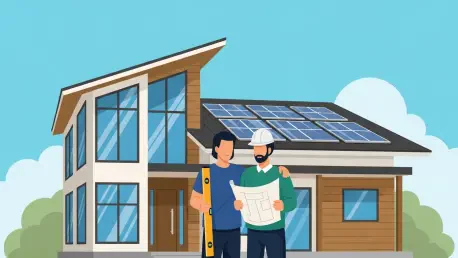
Navigating the complexities of modern building codes and zoning laws required a meticulous approach to project management and material procurement. The integration of modular components and prefabricated structural insulated panels allowed for a significant reduction in onsite labor time, which typically accounts for the majority of construction expenses. Utilizing these advanced materials, homeowners successfully mitigated the risks of weather-related delays and material waste while ensuring a high level of thermal efficiency. Furthermore, the adoption of open-source architectural plans enabled the precise calculation of necessary supplies, preventing the over-ordering that often plagues amateur projects. From 2026 to 2028, the industry expects a forty percent increase in the availability of consumer-grade building technologies, further lowering the barrier to entry for non-professionals. This shift toward technical literacy in construction suggests that the future of housing will rely heavily on the intersection of digital planning and physical assembly, rather than traditional labor-intensive methods that have become prohibitively expensive for most entry-level buyers.
Economic Implications: Scalable Solutions for Future Homeowners
The successful completion of these DIY projects provided a blueprint for addressing systemic shortages by emphasizing the importance of localized production and collective resource sharing. Municipalities that adopted more flexible accessory dwelling unit ordinances saw a direct correlation between policy relaxation and the stabilization of local rent prices. Potential builders sought out specialized insurance products and micro-loans specifically designed for owner-builder scenarios, which mitigated the financial risks associated with self-managed construction. Educational institutions also played a critical role by offering weekend intensive courses on electrical systems and plumbing standards, bridging the gap between theoretical design and practical execution. This approach ultimately transformed the housing crisis from an insurmountable obstacle into a catalyst for technological and social innovation. By prioritizing the acquisition of vocational skills and the use of sustainable materials, a new generation established a viable pathway to equity that did not rely on predatory lending or inflated market valuations. This shift effectively demonstrated that alternative construction methods could offer a scalable solution to the ongoing challenges of modern urban living.