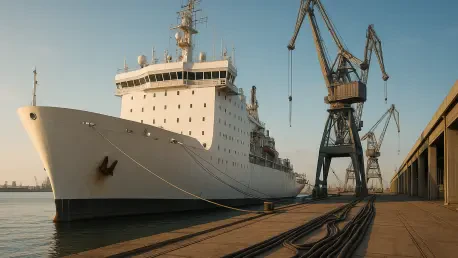

The strategic fortification of American interests in high-latitude regions has taken a massive leap forward with the allocation of substantial federal resources to the Pacific Northwest’s most critical maritime hub. The U.S. Coast Guard has officially entered a high-stakes phase of infrastructure development with the award of a $173.7 million contract to Whiting-Turner. This investment focuses on the extensive modernization of Base Seattle, aiming to fundamentally transition its West Coast footprint toward future mission readiness. By prioritizing the Phase 1B overhaul, the service is not merely repairing aging structures but is reimagining its operational capacity to meet 21st-century national security demands.
Strengthening Maritime Infrastructure: The $173.7M Seattle Modernization
Base Seattle has long served as a vital logistics and maintenance node, but the current geopolitical climate demands more robust capabilities than legacy systems can provide. The historical shift toward “Great Power Competition” has placed a renewed emphasis on the Arctic and Antarctic regions, where the United States requires a persistent and reliable presence. For years, the ability to operate in these harsh environments was limited by shore-side facilities that could not accommodate the newest generation of heavy vessels. This $173.7 million award, resulting from fiscal year 2025 budget reconciliation efforts, reflects a long-term commitment to ensuring that land-based assets keep pace with the service’s evolving surface fleet.
Modernizing the Waterfront for a Global Mission
Engineering the Future: Slip 36B and Utility Enhancements
The technical core of the Phase 1B contract involves the construction of a sophisticated new pier at Slip 36B designed for heavy-load capacities and advanced military utility integration. The scope includes comprehensive electrical upgrades and critical utility modernization designed to provide “cold iron” support, allowing ships to plug into shore power rather than running diesel engines while docked. These enhancements are not merely cosmetic; they are essential for the logistical support of the most complex vessels in the fleet. By modernizing these systems, the Coast Guard ensures that its cutters remain mission-ready at a moment’s notice while reducing the environmental impact of port operations.
Building on Momentum: The Synergy of Phased Development
This latest award follows a $137 million Phase 1A contract that focused on the foundational work of widening slips and stabilizing the waterfront. By utilizing a phased approach, the Coast Guard ensures continuity in construction and leverages the expertise of a partner already familiar with the site’s unique geological and structural challenges. This synergy reduces the risk of project delays and ensures that the transition from demolition to active pier construction remains seamless. The integration of these two phases represents a massive $310 million investment in Seattle’s waterfront, marking it as one of the most significant military construction zones in the region.
Supporting the Polar Security Cutter Fleet
A primary driver for the Seattle modernization is the arrival of the new Polar Security Cutters, which serve as the cornerstone of the United States’ high-latitude strategy. These massive icebreakers require specialized mooring and maintenance facilities that existing piers simply cannot provide due to their size and technical requirements. Base Seattle is being tailored specifically to homeport these vessels, addressing regional complexities and the specialized environmental needs of polar missions. This strategic alignment ensures that the Coast Guard can effectively project power into the Arctic, protecting American interests and ensuring freedom of navigation in increasingly contested waters.
A Nationwide Trend in Federal Maritime Investment
The Seattle project is not an isolated event but rather part of a broader, aggressive trend in Coast Guard infrastructure spending across the nation. Whiting-Turner has emerged as a dominant player in this space, securing massive contracts including $400 million for training facilities in New Jersey and $116 million for pier work in South Carolina. This nationwide movement signals a pivot toward total fleet readiness, recognizing that the efficacy of the surface fleet is entirely dependent on the quality of its land-based support. As newer, more technologically advanced ships are commissioned, federal investment continues to prioritize the revitalization of port facilities to sustain global operations.
Strategic Takeaways for Industry and Infrastructure Partners
The modernization of Base Seattle provides several key insights for the construction and defense sectors regarding the value of multi-phase, long-term partnerships. The emphasis on “future-proofing” facilities for polar missions indicates that infrastructure must now be designed with climate and geopolitical shifts in mind to remain relevant over several decades. For businesses and professionals in the sector, these developments highlight the importance of specialized maritime engineering and the ability to navigate complex federal budget cycles. Success in this market requires a deep understanding of how physical assets directly translate into national security capabilities and long-term fleet sustainability.
Conclusion: Ensuring Readiness Through Infrastructure
The $173.7 million contract to upgrade Base Seattle stood as a definitive statement on the future of American maritime power. By investing in the physical foundations of the Coast Guard, the government ensured that crews had the facilities necessary to meet the national security challenges of the modern era. As work progressed on Slip 36B, the transformation of Base Seattle served as a model for how the military could modernize legacy assets to support a new era of global mission requirements. Consistent, strategic investment in these port facilities remained the only way to guarantee long-term readiness in an increasingly complex and competitive world.