
The Canadian hospitality landscape is currently undergoing a monumental transformation as developers commit to an unprecedented volume of new projects that signal long-term confidence in the nation’s tourism and business travel sectors. By the midpoint of 2026, the construction pipeline has reached a record high of 327 projects and nearly 41,000 rooms, representing a substantial year-over-year increase in both volume and capacity. This surge persists despite the fluctuating interest rates and elevated material costs that have defined the economic environment over the last several months. Current data indicates that the number of projects under active construction has climbed significantly, while those scheduled to begin within the next twelve months have also seen an upward trend. This aggressive expansion suggests that investors are looking past immediate financial hurdles to secure a foothold in a market that continues to demonstrate robust demand for modern, high-quality accommodations across the country.
Strategic Growth in Metropolitan Hubs
Provincial Leaders and Regional Expansion
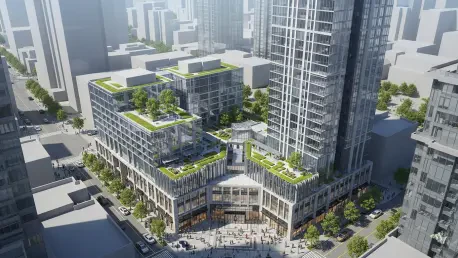
Ontario remains the primary engine of this growth, accounting for a massive share of the total national pipeline with nearly 160 projects currently in various stages of development. Toronto specifically serves as the focal point for international brands looking to capitalize on the city’s status as a global financial center and cultural destination. However, the expansion is not limited to the largest urban centers, as British Columbia and Quebec have also reported significant gains in project counts, particularly in markets like Vancouver and Montreal. These regions are benefiting from a mix of leisure travel recovery and a renewed focus on corporate events that require specialized venue space. Developers in these areas are increasingly prioritizing mixed-use developments that integrate hotel rooms with residential or retail components to mitigate risk and maximize land value. This geographic diversification ensures that the industry remains resilient even as local market conditions fluctuate in different provinces.
Brand Dominance and Segment Trends
Within the current pipeline, the upper-midscale and upscale segments have emerged as the dominant tiers, reflecting a strategic shift toward providing premium experiences at competitive price points. Brands such as Marriott International, Hilton, and IHG Hotels & Resorts are leading the charge, collectively representing more than half of the total projects in development across Canada. The focus is largely on conversion and renovation projects in addition to new builds, as developers seek to revitalize existing assets to meet modern brand standards. This trend is particularly evident in the midscale sector, where investors are finding value in repositioning older properties to capture a growing demographic of budget-conscious yet experience-driven travelers. The proliferation of these tiers indicates a maturation of the Canadian market, where the emphasis has shifted from mere capacity to the delivery of curated guest environments that leverage localized aesthetics and advanced digital amenities.
Future Readiness and Operational Efficiency
The recent surge in hospitality infrastructure provided a clear roadmap for stakeholders aiming to navigate the complexities of a dense and competitive market. Investors and operators recognized that success depended on more than just physical expansion; it required a commitment to integrating smart building technologies and sustainable design principles from the earliest stages of planning. To maintain this momentum, industry leaders should now focus on addressing the ongoing labor shortage by investing in workforce development programs and automated service solutions that alleviate pressure on frontline staff. Additionally, prioritizing the adoption of modular construction techniques could significantly reduce lead times and environmental impact, offering a more efficient path to project completion. Looking ahead, the focus must remain on creating versatile spaces that can adapt to changing travel patterns, ensuring that the current historic volume of construction translates into long-term profitability and guest satisfaction.