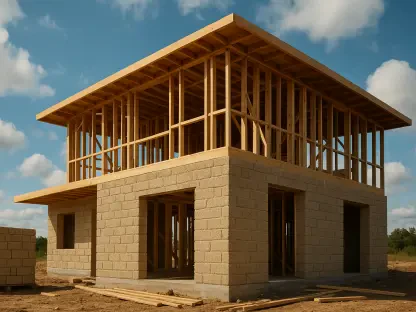

By providing capital for affordable units that cannot be used for short-term stays, the fund prioritizes long-term residential stability for local communities. This initiative, known as the Airbnb Housing Accelerator, represents a decisive pivot for a company that has long faced scrutiny over its perceived impact on global housing affordability. With a national deficit currently estimated at four million homes, the organization is leveraging its substantial financial reserves to bridge the gap between approved blueprints and actual construction. This strategy focuses on last-dollar financing, a specialized funding model designed to rescue stalled developments that have cleared regulatory hurdles but remain stuck in limbo due to capital shortages. By stepping into this niche, the platform is attempting to redefine its role from a market disruptor to a significant institutional partner in urban development, signaling a shift toward more integrated corporate responsibility within the modern American real estate landscape.
A Targeted Approach: Financing and Growth
The core of this financial strategy centers on high-impact investments in local markets where the housing shortage is most acute. The program recently launched its inaugural effort in Austin, Texas, with a $6.4 million commitment to support the construction of 200 affordable units within a larger mixed-use development. This capital serves as a bridge, allowing projects that are already shovel-ready to proceed without further delay. Unlike traditional equity investments that demand high returns, this fund accepts yields well below market rates, which lowers the overall cost of development. This financial flexibility is essential for creating units that are truly affordable for the workforce, such as teachers and service employees, who are often priced out of the cities where they work. By focusing specifically on these gaps, the company ensures that its contributions result in immediate, tangible increases in the available housing stock for permanent residents.
Beyond the immediate impact of single projects, the accelerator is designed to have a massive multiplier effect over the next decade. Financial projections suggest that the initial $250 million investment could catalyze approximately $5 billion in total capital by drawing in secondary investors and securing traditional financing for mixed-income projects. This revolving fund model allows the same capital to be used repeatedly as loans are repaid and reinvested into new developments across the country. This systemic approach addresses the financial inertia that often plagues the affordable housing sector, where complex funding stacks frequently collapse before the first brick is laid. By providing the final piece of the financial puzzle, the initiative aims to unlock a pipeline of thousands of units that would otherwise remain as mere plans on a desk. This method reflects a sophisticated understanding of real estate economics, focusing on the specific pressure points where capital has the greatest impact.
Strategic Reform: Policy and Innovation
While direct investment provides a necessary boost to construction, the organization also recognizes that financial capital alone cannot solve the housing crisis without significant policy shifts. To this end, the initiative is expanding into aggressive advocacy, targeting the root causes of supply stagnation such as restrictive zoning laws, high impact fees, and cumbersome permitting processes. A central tool in this effort is the newly released Airbnb City Index, a comprehensive dataset that ranks various municipalities based on their housing-friendly policies and actual production levels. This index serves as a transparent benchmark, encouraging local governments to streamline their approvals and adopt modern urban planning standards. By shining a light on the bureaucracies that hinder development, the company hopes to foster a competitive environment where cities are rewarded for creating more housing. This data-driven approach allows for a more nuanced conversation with policymakers regarding the link between regulation and home availability.
Innovation in construction technology represents the third pillar of this multi-pronged strategy. The fund has allocated $5 million in dedicated grants to developers and startups that are pioneering new methods to make home building faster and more cost-effective. These grants focus on modular construction, 3D printing technologies, and sustainable building materials that can significantly reduce the time from groundbreaking to occupancy. Reducing the cost of construction is vital in an era where labor and material expenses continue to climb, often making affordable projects financially unfeasible without heavy subsidies. By incentivizing these technological breakthroughs, the platform aims to lower the barrier to entry for diverse housing types, including accessory dwelling units and high-density apartment complexes. This commitment to research and development suggests a long-term vision where the company doesn’t just fund housing but helps reinvent the way it is produced through the synergy of support and technical innovation.
Scaling Solutions: Future Industry Implications
Looking ahead, the success of this initiative will depend on the ability of other corporate entities to replicate or partner with this funding model. The focus should now shift toward creating regional housing trusts that can pool resources from multiple industries to tackle local shortages. Organizations should prioritize the development of mixed-income communities that integrate housing with transit and employment hubs to ensure long-term sustainability. It is also critical for local governments to leverage the data provided by the new city index to identify and remove specific bottlenecks in their local permitting offices. Developers are encouraged to adopt the new construction technologies funded by these grants to drive down costs across the industry. By focusing on these collaborative strategies, the private sector can play a more effective role in stabilizing the housing market. This requires a commitment to transparency and a willingness to accept lower short-term profits in exchange for more stable, thriving communities.
The launch of the housing accelerator marked a significant shift in how tech platforms engaged with the communities they served. This initiative demonstrated that the financial resources of global corporations could be effectively redirected toward solving systemic social challenges like the housing shortage. By providing the necessary gap financing and advocating for smarter regulatory frameworks, the program managed to unlock thousands of units that were previously stalled. This approach moved beyond traditional philanthropy and integrated social goals into the core financial operations of the business. It set a new standard for corporate social responsibility, proving that market leaders could take a proactive role in addressing the externalities associated with their business models. As these projects reached completion and new residents moved in, the narrative surrounding the platform’s impact on urban life began to change. The focus on long-term residential stability provided a practical roadmap for other industries to follow.