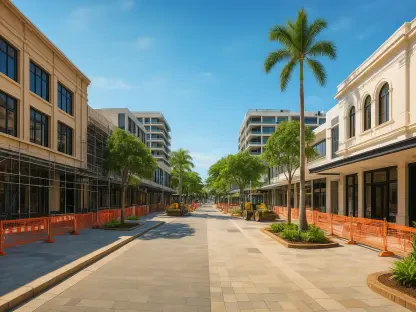

The rapid evolution of metropolitan landscapes requires a proactive approach to urban planning that anticipates the needs of a diverse and growing population while maintaining economic stability. Broomfield has officially commenced a comprehensive overhaul of its long-range strategic frameworks to ensure that the city remains resilient against modern challenges. This initiative involves a multi-year assessment of zoning laws, public infrastructure, and environmental standards that have guided the region for decades but now require modernization to align with current technological shifts. By reevaluating the Comprehensive Plan, officials intend to create a roadmap that fosters sustainable development and enhances the quality of life for residents and business owners alike. The project emphasizes a data-driven methodology, utilizing advanced analytics to predict housing demands and traffic patterns through the end of the decade. This systemic update represents a pivotal moment for the municipality as it navigates the complexities of urbanization.
Advancing Digital Infrastructure and Technical Integration
A central component of this updated strategy focuses on the seamless integration of high-speed digital infrastructure to support the increasing demands of remote work and automated municipal services. The expansion of fiber-optic networks and the deployment of fifth-generation wireless technologies are treated as essential utilities, much like water or electricity, to ensure equitable access across all neighborhoods. These technical enhancements are designed to facilitate real-time monitoring of public utilities, allowing the city to manage water distribution and energy consumption with precision. Furthermore, the plan incorporates the use of Internet of Things sensors to gather environmental data, which will inform future decisions regarding air quality and noise pollution. By prioritizing a robust digital backbone, the initiative seeks to attract innovative technology firms and provide residents with the connectivity required for a modern lifestyle. This forward-thinking approach ensures that the physical and digital realms are harmonized effectively.
Building upon the digital foundation, the long-range plan also addresses the urgent need for a modernized transportation network that prioritizes multi-modal accessibility and reduces carbon emissions. The initiative outlines the development of intelligent transportation systems that synchronize traffic signals based on real-time flow, significantly decreasing congestion and improving response times for emergency vehicles. There is a strong emphasis on expanding the network of electric vehicle charging stations and creating dedicated lanes for rapid transit and micro-mobility options like bicycles and scooters. This shift reflects a commitment to reducing the reliance on single-occupancy vehicles and encouraging sustainable commuting habits among the workforce. Urban planners are also exploring the potential for autonomous shuttle loops to connect major commercial hubs with residential areas, creating a more cohesive urban fabric. By integrating these transit solutions, the city aims to create a more navigable environment for all its citizens.
Implementing Scalable Solutions for Community Prosperity
To support a growing and diverse population, the update proposes significant revisions to zoning regulations to encourage more inclusive and flexible housing options. The traditional separation of residential and commercial districts is being reevaluated in favor of vibrant mixed-use developments that allow residents to live, work, and recreate within the same neighborhood. This strategy not only addresses the rising demand for affordable housing but also fosters a sense of community and reduces the environmental footprint associated with long daily commutes. Planners are working to incentivize the construction of accessory dwelling units and multi-family complexes that blend seamlessly with existing architectural styles. Additionally, the initiative focuses on the preservation of open spaces and the creation of new public parks to ensure that urban density does not come at the expense of health. By adopting a nuanced approach to land use, the city intends to create a resilient urban landscape that adapts to economic conditions.
The launch of this strategic initiative established a clear pathway for the city to address the intersection of urban growth and technological advancement through specific, actionable steps. Implementation began with the formation of specialized task forces tasked with auditing current land-use policies and identifying immediate opportunities for infrastructure upgrades. Public engagement sessions provided a platform for residents to contribute their insights, ensuring that the final blueprints reflected the values of the community. Looking ahead, the focus shifted toward securing public-private partnerships to fund the projects identified during the planning phase, such as the smart grid expansion and transit-oriented developments. These actions provided a solid foundation for sustainable growth, emphasizing the importance of adaptability in a changing world. The successful integration of these long-range plans demonstrated that thoughtful preparation was essential for building a functional and equitable city.