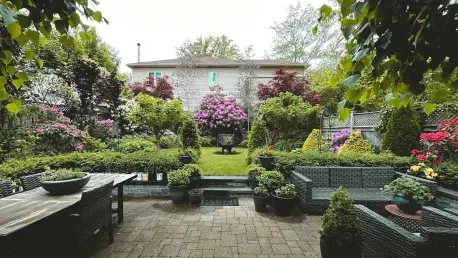

The contemporary evolution of residential landscape design has moved decisively away from the stiff, formal gardens of the past toward a philosophy that emphasizes emotional resonance and lived-in luxury. Homeowners in 2026 increasingly view their outdoor spaces as essential extensions of the interior, requiring the same level of curation and personality as a primary living room or kitchen. This shift is characterized by an “easy-breezy” aesthetic that prioritizes comfort and joy over rigid maintenance and horticultural perfection. By treating the backyard as a personal sanctuary, individuals can create an environment that feels like a self-contained world, layered with rich textures and brimming with a unique character that invites relaxation. The objective is to craft a space where the boundaries between the built environment and the natural landscape are blurred, resulting in a destination within the home that remains irresistible regardless of the season or the time of day.
Mastering Space Through Strategic Layouts
Purposeful Zoning: Creating Targeted Activity Areas
A successful modern sanctuary begins with a rejection of the traditional, monolithic backyard layout that often centers on a vast and underutilized lawn. Instead of a one-size-fits-all approach, designers now advocate for a strategic zonal strategy that analyzes the unique microclimates of a property to maximize its potential. For instance, a persistent shaded corner that once struggled to support healthy grass can be reimagined as a contemplative seating nook or a cozy firepit zone, while the sunniest patches are reserved for vibrant vegetable gardens or social hubs. By identifying these natural patterns, every square foot of the landscape is assigned a specific purpose, ensuring that the entire yard remains functional and engaging. This methodical planning turns “problem areas” into intentional destinations, fostering a sense of discovery as one moves through the property and encounters different atmospheres tailored to specific moods or daily activities.
The movement through these diverse zones is just as critical as the zones themselves, as it dictates the overall flow and usability of the outdoor environment. Rather than following a straight path, modern designs often incorporate meandering walkways or subtle shifts in orientation to slow the pace and encourage a deeper connection with the surroundings. This strategy emphasizes the garden as a sequence of experiences rather than a single vista viewed from a back door. By clustering social furniture in specific “outdoor rooms” and leaving other areas for wilder, more organic growth, the landscape achieves a sophisticated balance between order and nature. This compartmentalized approach also simplifies maintenance, as homeowners can focus their efforts on high-impact areas while allowing more naturalistic sections to thrive with minimal intervention. Ultimately, zoning transforms a generic plot of land into a complex, multi-layered retreat that feels far larger and more immersive than its actual dimensions might suggest.
Vertical Interest: Elevating the Garden Experience
Manipulating the vertical plane is a powerful technique for adding architectural depth and a sense of luxury to a backyard, effectively breaking up the visual monotony of flat ground. By introducing changes in elevation, such as building a raised cedar platform for dining or creating a recessed “conversation pit” for evening gatherings, designers signal a psychological transition from the main house to a specialized sanctuary. These height variations act as physical cues that help define the boundaries of different “rooms” without the need for tall walls or opaque fences. A slightly elevated deck can provide a new perspective on the surrounding foliage, making the space feel more expansive and intentionally curated. This use of verticality creates a dynamic environment where the eye is constantly led to new focal points, preventing the landscape from feeling static or uninspired and instead providing a sense of architectural sophistication that mirrors high-end interior design.
Beyond the structural benefits, vertical design interventions offer practical solutions for managing challenging terrain while adding a sculptural quality to the garden. Incorporating tiered planters or multi-level terracing allows for a more diverse range of plant life, as different heights can accommodate varying soil depths and sunlight exposures. This layering of vegetation against built structures creates a lush, cocoon-like effect that enhances the feeling of privacy and seclusion. Even simple DIY additions, such as a low-profile wooden boardwalk or a small stone pedestal, can provide the necessary vertical shift to make a small urban garden feel like a complex and professional installation. These subtle elevations serve to delineate space effectively, ensuring that each part of the sanctuary has its own distinct identity. The result is a landscape that feels solid and permanent, yet fluid enough to accommodate a variety of social interactions, from large festive celebrations to quiet moments of solitary reflection.
Using Texture to Enhance Visual Depth
Sculptural Materials: Softening the Landscape with Wood
Texture is an indispensable tool in the designer’s kit for transforming flat and uninspiring hardscapes into fascinating, tactile environments that invite touch and interaction. One of the most effective ways to introduce this depth is through the use of fluted wood, particularly Western red cedar, which provides a rhythmic and sculptural quality to otherwise cold structures. Rather than demolishing functional but unattractive concrete retaining walls, modern designers often wrap these surfaces in fluted dowels or slim timber slats. This cladding technique adds a “vibey” softness and a sophisticated rhythm to the landscape, creating a play of light and shadow that changes throughout the day. This material integrates seamlessly with the surrounding nature, allowing vines and small plants to “notch” into the grooves, further blurring the boundary between the architectural elements and the organic growth of the garden, resulting in a cohesive and visually rich retreat.
The choice of timber as a primary textural element also introduces a sense of warmth and natural history that manufactured materials often lack. Over time, wood develops a unique patina that reflects the local climate, contributing to a “wabi-sabi” aesthetic that celebrates the beauty of imperfection and the passage of time. This evolution ensures that the sanctuary never feels sterile or overly manicured, but instead looks lived-in and comfortable. Pairing the delicate, repetitive texture of fluted wood with contrasting surfaces, such as rough-hewn stone pavers or smooth, polished pebbles, creates a sophisticated sensory experience that appeals to both the eye and the hand. This layering of materials prevents any single element from dominating the space, fostering a balanced environment where the built structures complement the natural flora. By focusing on these tactile details, the landscape becomes a multi-sensory haven that rewards close observation and regular use, making every visit to the garden feel like a fresh experience.
Architectural Airflow: The Functionality of Breeze Blocks
Breeze blocks have experienced a significant resurgence in 2026, serving as a vital bridge between retro-inspired aesthetics and modern functional requirements. These patterned masonry units are particularly prized in urban environments where privacy is a priority but complete enclosure would make a small space feel claustrophobic or stagnant. By creating partition walls out of breeze blocks, homeowners can establish clear boundaries and block unsightly views while still allowing natural light and cooling breezes to filter through the geometric openings. This “airy privacy” is essential for maintaining a sense of openness in a “jewel box” garden, ensuring that the space remains vibrant and well-ventilated. The blocks act as a decorative screen that provides structure without the heavy, oppressive feel of a solid brick wall, making them an ideal choice for the modern, light-filled sanctuary that prioritizes flow and transparency.
Furthermore, these masonry units offer incredible versatility beyond their traditional role as vertical dividers, often functioning as sculptural bases for benches, coffee tables, or outdoor kitchen islands. Their geometric patterns provide a strong visual flair that can be used to anchor a seating area or highlight a specific focal point in the yard. Many designers now encourage the use of breeze blocks as functional trellises, where climbing jasmine or ivy is encouraged to grow through the patterns. This integration of greenery creates a “living wall” that offers lush foliage on both sides of the hardscape, effectively merging the industrial strength of the block with the delicate beauty of the plant life. This dual-purpose application ensures that every element in the garden serves both a structural and an aesthetic goal, contributing to a sense of cohesive, high-end design. The resulting structures are durable, low-maintenance, and visually striking, providing a grounded yet ethereal quality that defines the modern outdoor experience.
Finishing Touches and Cohesive Design
Sophisticated Surfaces: Managing Mood with Decorative Tile
The selection of tile is a critical decision that influences both the visual atmosphere and the practical temperature management of an outdoor sanctuary. In foggy or cooler microclimates, the application of bold, energetic tile patterns can inject a sense of warmth and vitality that offsets the gray skies, while bright and open spaces often benefit from the grounding effect of natural “cotto” or Moroccan-style tiles. The key to a professional finish lies in establishing a clear hierarchy of scale; using large, neutral field tiles as a foundational base allows for the targeted use of smaller, more intricate patterns in high-traffic social zones. This method prevents the design from becoming visually overwhelming while still allowing for moments of artistic expression. Whether used on a patio floor or as a decorative backsplash for an outdoor bar, the right tile choice acts as the “jewelry” of the garden, providing a polished and intentional look.
Achieving a truly modern aesthetic requires a meticulous approach to how different materials and surfaces interact at their meeting points. Seamless transitions between disparate elements, such as wood decking, stone gravel, and tiled areas, are what separate a professional landscape from a collection of random parts. A thoughtful edge treatment, such as a thin strip of neutral limestone or a carefully placed metal border, can unify different textures and ensure the transition feels intentional rather than accidental. This attention to detail creates a sense of structural cohesion, making the entire backyard feel like a single, unified composition. By prioritizing flow and a sophisticated mix of diverse materials, the landscape becomes a highly personalized retreat that is as durable as it is beautiful. This final layer of design ensures that the sanctuary is not only a place of rest but also a testament to the homeowner’s unique style and commitment to creating a high-quality living environment.
Finalizing the Vision: Future-Proofing the Private Sanctuary
The evolution of these outdoor spaces was characterized by a move toward highly personalized, resilient environments that functioned as true sanctuaries during the mid-2020s. Designers successfully integrated playful materials like fluted wood and breeze blocks with rigorous structural planning to ensure that backyards were not merely ornamental but deeply functional for everyday life. By focusing on the emotional resonance of the space, the “fun-scape” concept transformed mundane yards into vibrant retreats that prioritized relaxation and social connection. These projects demonstrated that total demolition was rarely necessary; instead, thoughtful interventions in zoning, elevation, and materiality allowed existing landscapes to be reimagined with fresh energy. The resulting gardens felt modern yet rooted in a sense of history, offering a sophisticated blend of artistic expression and practical durability that catered to the needs of the modern inhabitant.
The most successful designs focused on creating a seamless transition between the indoor and outdoor worlds, effectively expanding the footprint of the home into the natural environment. Homeowners were encouraged to embrace imperfection and organic flow, allowing their gardens to grow and change alongside their families. This approach ensured that the outdoor sanctuary remained an inviting destination year-round, providing a sanctuary from the digital world and a space for meaningful human interaction. By applying these strategic layout principles and textural innovations, individuals were able to craft “little worlds of their own” that hummed with personality and joy. The enduring legacy of this design philosophy was the creation of spaces that felt both creative and cozy—a perfect synthesis of high-end aesthetics and the simple pleasures of outdoor living. This holistic methodology provided a clear roadmap for anyone looking to elevate their property into a modern, joyful, and deeply personal sanctuary.