
The traditional approach to residential exterior illumination has undergone a radical shift as homeowners transition from high-intensity security flooding toward a sophisticated, mood-driven methodology. Modern landscape design priorities have moved away from the sterile, industrial brightness that once dominated residential yards in favor of a more nuanced and atmospheric approach that treats the garden as a sanctuary. Homeowners are increasingly viewing their outdoor spaces as functional extensions of the living room, necessitating a lighting scheme that fosters relaxation and social interaction rather than just basic visibility. This evolution reflects a deeper psychological need to reconnect with the natural world even after the sun sets, creating a seamless transition between the indoor sanctuary and the outdoor environment. By prioritizing a nature-led design philosophy, property owners can achieve a multi-layered effect that highlights the organic beauty of their surroundings while providing enough illumination for safe movement and dining. The modern garden is no longer just a patch of grass to be lit for security purposes; it is a carefully curated stage where lighting plays the lead role in setting the emotional tone for the evening, ensuring that the transition from day to night is both graceful and inviting for residents and guests alike.
Embracing Organic Materials and Silhouettes
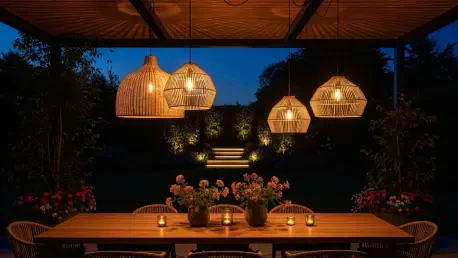
The rise of organic forms marks a departure from rigid, geometric light fixtures that often feel out of place in a botanical setting, moving instead toward designs that harmonize with the earth. Designers are now favoring materials like weathered wood, hand-woven rattan, and recycled ceramics to ensure that the hardware itself complements the garden’s existing textures and colors. These fixtures often feature soft, irregular silhouettes that mimic elements found in nature, such as mushrooms, pebbles, or seed pods, providing a visual link to the flora they illuminate. When these items are strategically placed among flower beds or along winding pathways, they appear to have grown organically from the soil rather than being installed as separate mechanical components. This integration is vital for maintaining a cohesive aesthetic that does not disrupt the visual flow of the landscape during the daylight hours. By selecting pieces with raw, tactile surfaces, homeowners can create a visual narrative that celebrates the imperfection of the natural world, allowing the hardware to blend into the shadows while the light it produces takes center stage. This thoughtful selection process ensures that every element of the lighting system contributes to a sense of environmental continuity and aesthetic balance within the property.
Beyond the materials themselves, the shape of the light emission has become equally important in the pursuit of a nature-centric design that avoids the harshness of industrial solutions. Moving away from the direct beams of traditional spotlights, modern organic fixtures often utilize diffused or indirect lighting to soften the edges of the illuminated area and create a sense of calm. This technique prevents the “stadium effect” that can make an outdoor gathering feel exposed or clinical, replacing it with a soft glow that feels inherently more private. The use of irregular edges and flowing lines in the design of the lampshades allows light to spill out in patterns that mimic the dappled sunlight filtering through a forest canopy, adding a layer of visual complexity to the ground. This approach not only enhances the visual interest of the space but also encourages a sense of tranquility and intimacy that is often lost with standard utility lighting. By prioritizing these softer forms, property owners can ensure that their outdoor lighting supports the natural rhythm of the garden rather than fighting against it. The result is an environment that feels grounded and serene, providing a perfect backdrop for quiet reflection or lively conversation under the stars without the distraction of glare or overly sharp shadows.
Enhancing Ambience Through Biophilic Layering
Biophilic layering involves the intentional use of light to enhance natural rhythms and highlight the biological features of the landscape through a tiered distribution of brightness. This method discourages the use of a single, central light source, which often results in flat and uninspiring environments that lack a sense of depth or mystery. Instead, a successful nature-led design employs various heights and intensities to create dimension within the space, using low-level path lights paired with mid-height lanterns. This multi-tiered approach draws the eye to different focal points, mimicking the way light naturally filters through different layers of vegetation in a wild setting. By highlighting specific plants or architectural features of the garden, designers can create a sense of exploration that makes the outdoor area feel larger and more complex. This strategy also allows for greater flexibility, as different layers can be adjusted to suit different occasions, from a brightly lit dinner party to a dimly lit evening of stargazing. The objective is to weave light through the environment like a natural element, ensuring the space remains versatile and functional while maintaining a strong connection to the underlying biological forms and structures of the garden.
The color temperature of the chosen bulbs is another critical factor in achieving a biophilic effect that resonates with the human nervous system and respects the local ecosystem. Expert consensus points toward the use of warm, golden hues that replicate the soft glow of a setting sun or a flickering campfire, rather than the harsh white of office lighting. These warmer tones, typically ranging from 2200K to 2700K, provide a “cocooning” effect that makes the outdoor area feel cozy and inviting, encouraging people to linger longer in the fresh air. In contrast, cooler, blue-toned lights can feel abrasive and disrupt the natural circadian rhythms of both humans and local wildlife, leading to a less harmonious experience. By opting for amber or warm white LEDs, homeowners can create an atmosphere that feels inherently safe and relaxing while minimizing the impact on the environment. This choice of illumination not only enhances the natural colors of the foliage and stone but also minimizes light pollution, preserving the visibility of the night sky for better celestial viewing. The final result is a soft, ambient glow that harmonizes with the surroundings, fostering a connection to the environment that is both visually stunning and emotionally grounding for everyone in the space.
Strategic Implementation of Architectural Accents
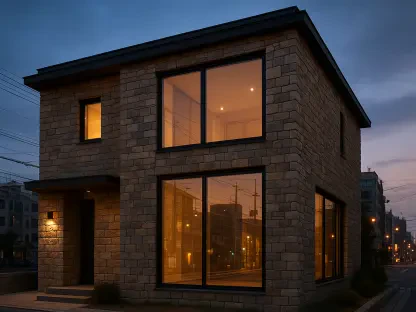
Architectural wall lights serve as essential anchors in a comprehensive outdoor lighting plan, providing both structure and style to the perimeter of the home and surrounding structures. These fixtures are particularly effective when used to accentuate the unique textures of brickwork, stone, or timber cladding, creating a dramatic interplay between light and shadow that adds visual weight. By positioning these lights to wash over textured surfaces, designers can transform a flat wall into a dynamic visual feature that adds character to the entire garden landscape. Furthermore, architectural lighting can be used to define boundaries and transition zones, such as the threshold between a patio and a lawn, ensuring clarity of movement. This functional clarity is essential for navigating the space safely without relying on overwhelming brightness that might ruin the carefully crafted organic atmosphere. When chosen to match the nature-led theme, these lights often feature minimalist designs that do not compete with the natural beauty of the landscape. They provide a reliable baseline of illumination that supports the more decorative, organic elements, ensuring that the design remains balanced and well-proportioned throughout the various zones of the property.
The transition toward nature-led design provided a clear roadmap for transforming outdoor spaces into sophisticated retreats that prioritized atmosphere over mere visibility. Homeowners who adopted these principles focused on selecting earthy materials and warm-toned bulbs that respected the natural environment and human biology. They successfully implemented biophilic layering by placing light sources at varied heights, which enhanced the depth and texture of their gardens in a way that felt authentic. This approach moved away from utilitarian flooding and instead embraced a subtle, multi-dimensional glow that celebrated the organic forms of the landscape. Strategic placement of architectural accents further refined the aesthetic, ensuring that structural details complemented the botanical elements rather than overshadowing them. Ultimately, the integration of these thoughtful design choices resulted in gardens that felt like seamless extensions of the home. By valuing the interplay of shadow and light, individuals created environments that supported both relaxation and social connectivity, proving that the most effective outdoor lighting was that which honored the inherent beauty of the natural world. This shifted the focus toward a more sustainable and aesthetically pleasing future for residential landscape architecture and exterior design.