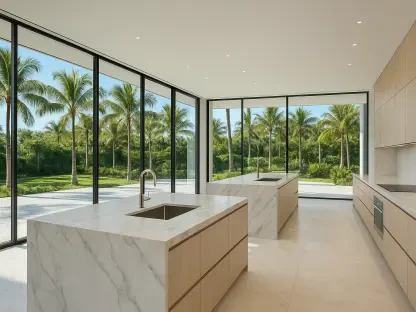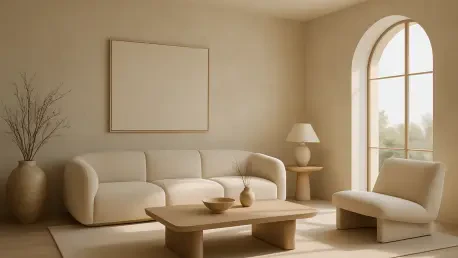

The current design landscape of 2026 represents a definitive pivot away from the high-gloss, logo-heavy interiors of previous eras toward a nuanced philosophy known as quiet luxury. This shift is characterized by a deep commitment to intentionality, where the value of a space is measured by its emotional resonance and tactile quality rather than its price tag or brand associations. As families prepare their homes for the warmer summer months and significant cultural milestones like Eid al-Fitr, the emphasis has settled on creating environments that function as personal sanctuaries. These homes are designed to be lived in, offering a sense of calm through carefully curated palettes and high-end materials that prioritize the long-term well-being of the inhabitants. By focusing on the subtle interplay of light, shadow, and texture, designers are redefining what it means to live in a high-end environment, moving toward a model where luxury is felt through comfort and authenticity rather than simply being observed through visual excess.
Personalizing Private Retreats and Social Hubs
The bathroom has undergone a radical transformation in 2026, shedding its strictly utilitarian reputation to emerge as a vital extension of an individual’s personal style and aesthetic identity. Designers are increasingly moving away from the clinical, sterile feel of all-white porcelain tiles in favor of “bathrooms with personality” that utilize rich, organic materials and bold architectural choices. This trend is anchored by the use of massive stone vanities crafted from rare marbles or quartzites, paired with textured wall treatments that provide a sensory experience beyond mere sight. Brushed metallic finishes in warm tones like champagne gold or aged bronze replace the cold chrome of the past, casting a soft glow that enhances the room’s atmosphere. These spaces are further elevated by “micro-luxuries,” such as artisanal apothecary items and heavy-weight linen towels, which transform standard daily hygiene routines into deliberate rituals of self-care and indulgence for both residents and their houseguests.
Beyond the private quarters, the modern reinvention of the majlis demonstrates a sophisticated blending of cultural heritage with the sleek, minimalist sensibilities that define current global aesthetics. These social hubs are being reimagined as versatile areas that facilitate deep conversation and communal bonding through the strategic use of low-profile seating and rich, tactile floor coverings. To achieve this elevated look during the peak hosting season, many are incorporating architectural elements such as sheer linen drapes and outdoor structures like pergolas or motorized awnings to create shaded, intimate environments. The focus remains on flexibility, using oversized floor cushions in varied shapes and organic fabrics to bridge the gap between traditional Arabic hospitality and contemporary design. By prioritizing architectural interest and physical comfort over the accumulation of unnecessary decorative items, these spaces maintain a sense of openness and tranquility even during the busiest celebrations, ensuring the home remains a cohesive and welcoming environment.
Refined Hosting and Sophisticated Color Theory
Hosting practices in 2026 are increasingly characterized by a sense of restraint and “calm elegance,” where the objective is to create a polished experience that never feels forced or overly staged. Dining environments have shifted toward a palette of grounded, earthy neutrals—ranging from soft ivories to warm, clay-like browns—often accented by muted gold or copper elements that catch the light. This aesthetic is built through the careful layering of natural materials, such as raw linen tablecloths paired with handmade ceramic serveware and delicately thin glassware. During celebratory dinners, the intention is to minimize visual noise so that the focus remains entirely on the quality of human interaction and the shared meal itself. Small, deliberate details like fresh seasonal florals or artisanal centerpieces featuring organic elements provide a festive touch without cluttering the visual field. This approach ensures that the table setting feels sophisticated and high-end while remaining approachable and conductive to long, relaxed evenings of celebration.
The era dominated by monochromatic “beige-on-beige” schemes has finally given way to a more sophisticated color theory that embraces rich and often unconventional color pairings to add depth. Luxury is currently defined by the use of saturated, complex tones that create a sense of history and permanence within a room, such as the unexpected combination of deep aubergine with burnt saffron. Other popular pairings include forest green alongside dusty rose or inky navy matched with warm caramel, providing a grounded yet visually stimulating environment that feels entirely unique to the homeowner. The success of this trend lies in the precise balance of weight; a single dominant shade typically anchors the walls or larger furniture pieces, while secondary and tertiary hues are woven in through high-quality upholstery, drapery, and accent pieces. This method allows for a high degree of personalization while maintaining the quiet sophistication that is the hallmark of the decade, proving that color can be used to create a sanctuary that is both vibrant and peaceful.
Artistic Curation and Atmospheric Lighting
Shelving systems have evolved from simple storage solutions into primary design features used for the art of curated storytelling within the modern home environment. In 2026, the styling of shelves is treated with the same level of importance as fine art, emphasizing a “less is more” philosophy that leverages negative space to highlight individual objects of significance. By layering items of varying heights and textures—such as hand-thrown sculptural vases, rare books, and meaningful keepsakes collected from travels—homeowners create a visual narrative that reflects their personal journey and taste. This curated approach prevents the common pitfall of visual clutter, ensuring that every piece displayed has the room to be truly seen and appreciated by visitors. During festive periods, these displays are easily refreshed with subtle seasonal accents or focused accent lighting to integrate them into the overall celebratory theme. This practice turns functional storage into a dynamic focal point that evolves with the season, adding a layer of intellectual and aesthetic interest to the living space.
The final element that solidified the understated luxury movement was the sophisticated application of layered lighting to choreograph the specific mood and atmosphere of each room. Designers successfully moved away from harsh, single-point overhead sources, opting instead for a multifaceted approach that utilized floor lamps, architectural wall sconces, and soft candlelight. This system allowed spaces to transition seamlessly from functional, bright daytime zones to warm, serene environments perfectly suited for evening relaxation or intimate social gatherings. Homeowners found that the strategic placement of lanterns and hidden LED accents provided an elegant glow that emphasized the textures of the room without being overbearing. Moving forward, the most effective strategy for maintaining this aesthetic involved investing in high-quality dimming systems and smart lighting controls that adapted to natural light cycles. By focusing on the interplay between shadow and warmth, the design community established a new standard for luxury that remained deeply rooted in comfort and sensory harmony, offering a blueprint for future residential development.