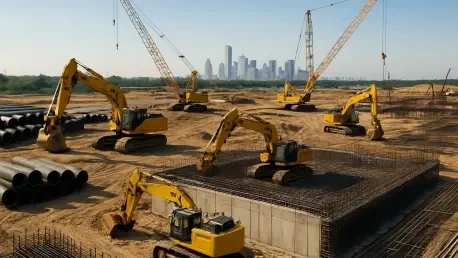

The sheer velocity of urban expansion in North Texas has forced a radical recalculation of how municipal entities manage the invisible yet essential arteries of wastewater treatment. Zachry Construction has officially broken ground on a $108 million wastewater initiative in Dallas, marking a significant milestone in the region’s utility development. Commissioned by the Trinity River Authority, the project focuses on the construction of the Central Regional Wastewater System Chlorine and Sulfur Dioxide Containment Building. This endeavor is not merely a local utility upgrade; it represents a critical response to the mounting pressure on urban infrastructure in one of the fastest-growing metropolitan areas in the United States. This analysis explores the technical complexities of the project, the strategic business moves behind it, and what this development signals for the future of civil engineering in Texas.
Strengthening Dallas Infrastructure: The Launch of the Trinity River Project
The foundation of this project lies in a decades-long need to modernize aging systems that have struggled to keep pace with Texas’s rapid population boom. Historically, wastewater management was often overlooked in favor of more visible transit projects, but industry shifts have recently placed water security at the forefront of state priorities. The Trinity River Authority has long been a steward of regional water quality, and this new containment facility is the latest chapter in a broader effort to replace legacy systems with resilient, high-capacity infrastructure. Understanding these background factors is essential, as they highlight why substantial capital investments are now flowing into specialized utility projects rather than general civil works.
The Historical Push for Modernized Utility Infrastructure in Texas
Engineering Precision in Containment and Storage Facilities
At the heart of the $108 million contract is the development of highly specialized containment and storage buildings designed to handle hazardous materials like chlorine and sulfur dioxide. These substances are vital for water treatment but require rigorous safety protocols and sophisticated architectural engineering to prevent environmental contamination. The scope of work extends beyond simple vertical construction, incorporating advanced pump stations and intricate electrical and instrumentation systems. By integrating these complex components, Zachry aims to provide the authority with a facility that maximizes operational safety while ensuring long-term durability against the corrosive nature of wastewater treatment chemicals.
Strategic Acquisitions and the Pivot Toward the Water Sector
The commencement of this project follows a deliberate shift in Zachry Construction’s corporate strategy, most notably evidenced by its recent acquisition of Crescent Constructors. This move was designed to bolster Zachry’s expertise in water-related civil engineering, allowing them to compete more effectively with other industry giants. The competition for water infrastructure contracts in the Lone Star State has intensified as builders realize that water scarcity and management are becoming the defining challenges of the 21st century. This strategic pivot illustrates how modern construction firms are evolving from generalists into specialized partners capable of executing high-stakes utility projects.
Navigating Logistics and Regional Environmental Safety
Beyond the technical blueprints, the project involves massive site improvements, including complex grading and the installation of robust stormwater drainage systems. These elements are crucial for maintaining the integrity of the site during North Texas’s unpredictable weather patterns. There is a common misconception that wastewater projects are less complex than highway or bridge construction; however, the reality involves navigating stringent environmental regulations and ensuring that the work does not disrupt existing utility services for millions of residents. The appointment of a new president further emphasizes the company’s commitment to providing specialized leadership for these multifaceted logistical challenges.
Deconstructing the Technical and Strategic Scope of the Project
The trajectory of the Dallas wastewater project reflects a broader trend toward the industrialization of water management, where technology and data-driven instrumentation play a central role. As the project moves toward its projected completion in the fourth quarter of 2029, we can expect to see an increased reliance on automated monitoring systems and sustainable building materials. Regulatory changes regarding chemical storage and effluent quality are also likely to impact how future projects are designed. Experts predict that the success of this $108 million facility will serve as a blueprint for other municipalities looking to harden their utility systems against both environmental shifts and increased demand.
The Road Ahead: Anticipating Trends in Water Infrastructure Development
For stakeholders and professionals in the construction industry, the Zachry-TRA partnership offers several actionable insights. First, prioritizing specialized leadership and expert coordination is non-negotiable when dealing with hazardous material containment. Second, firms should consider strategic acquisitions or partnerships to fill niche technical gaps, as seen with the recent sector-specific deals. Finally, maintaining a focus on enduring quality rather than just meeting minimum safety standards can lead to more favorable outcomes and long-term contract stability. Businesses should apply these lessons by investing in workforce training and adopting advanced instrumentation technologies early in the project lifecycle.
Strategic Recommendations for Navigating Large-Scale Civil Projects
The $108 million Central Regional Wastewater System project established a new standard for how essential utility infrastructure should be approached in high-growth environments. By combining technical precision with strategic business growth, Zachry Construction and the Trinity River Authority secured the fundamental services that Dallas required to remain a viable urban hub. As the project progressed, it functioned as a powerful example of how proactive investment in water systems formed the cornerstone of regional stability. Ultimately, this initiative demonstrated that the most vital infrastructure was often the most invisible, requiring constant innovation and an unwavering commitment to public safety.