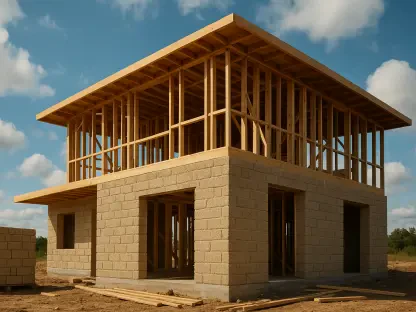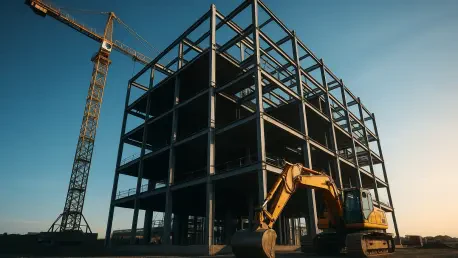

By adding 10,000 square feet of commercial space and 116 households, the development seeks to convert the downtown area into a high-density urban hub. For decades, the site at 523 East Third Street served as a reminder of the city’s automotive era, but the arrival of the Basalt Commons project signals a decisive shift toward a modern, multifaceted future for The Dalles. This $31 million investment represents the most ambitious residential undertaking in the history of the local urban core, dwarfing previous efforts to modernize housing within the city limits. As the former Griffith Motors building is cleared to make way for a five-story structure, local stakeholders are observing a transformation that aims to do more than just provide shelter; it intends to recalibrate the economic heartbeat of the entire Mid-Columbia region. By doubling the residential density seen in existing landmarks like the Commodore II, this initiative establishes a new standard for urban living. The project serves as a crucial bellwether, demonstrating that the local market can support large-scale, private-sector investments that were once deemed too risky for a community of this size.
Financing and Strategic Evolution
Navigating Economic Hurdles and Private Funding
A major breakthrough for the project occurred in August 2026 when the developer, TD3rd LLC, successfully secured private construction financing that fundamentally reshaped the financial structure of the venture. Earlier in the planning stages, high interest rates and the rising costs of construction materials necessitated a complex land-lease deal with Wasco County to bridge a significant funding gap. This public-private partnership was originally designed to provide the stability needed to lure investors, but the recent acquisition of full private backing has rendered that specific arrangement unnecessary. By simplifying the capital stack, the developer has reduced the complexity of the project, allowing for a more streamlined approach to the construction phase. This shift is viewed as a sign of institutional confidence in the local real estate market, suggesting that the economic fundamentals of The Dalles are strong enough to attract traditional lending without requiring the county to maintain a long-term interest in the property title.
The transition to private financing has also reduced the direct financial exposure of local government entities, providing a cleaner separation between public oversight and private enterprise. While the initial land-lease proposal was a creative solution to a stagnant economic environment, the ability of TD3rd LLC to move forward independently highlights the maturing nature of the regional economy. This financial independence allows the project to proceed without the administrative overhead and potential political complications associated with long-term county involvement. As construction commences, the developer can focus on meeting strict timelines and quality standards required by private lenders, which often results in more efficient project management. This evolution from a subsidized model to a more traditional market-driven structure serves as a template for future developments in the area, proving that strategic public support in the early stages can eventually lead to self-sustaining private investment in the downtown core.
Maximizing Public Investment through Urban Renewal
The Columbia Gateway Urban Renewal Agency (CGURA) remains a pivotal partner in the realization of Basalt Commons, providing approximately $1.73 million in strategic support to ensure the project’s long-term feasibility. This public investment is carefully allocated between System Development Charges and direct construction grants, representing an efficient use of taxpayer funds at a cost of roughly $15,000 per residential unit. By focusing on infrastructure and development fees, the agency has lowered the barrier to entry for a project that would otherwise be cost-prohibitive in a market where rental rates are still adjusting to modern construction expenses. This partnership demonstrates how urban renewal funds can be used as a catalyst rather than a permanent crutch, allowing the city to realize significant gains in property tax revenue and economic activity that will far outweigh the initial public outlay. The agency’s involvement has been instrumental in keeping the project aligned with the broader goals of the city’s master plan.
A critical aspect of the financial strategy involved keeping the specific cost contribution from the public sector just below the threshold that would trigger state prevailing-wage requirements for the entire project. This strategic decision by the developer and CGURA avoided significant cost inflation that could have jeopardized the entire venture, as prevailing-wage mandates often increase labor costs by thirty percent or more. By maintaining this balance, the project remains economically viable while still delivering a high-quality building that meets all modern safety and environmental standards. This approach has allowed the budget to be focused on tangible improvements and architectural features that benefit the residents and the streetscape. The efficiency of this funding model is being watched closely by other municipalities in Oregon as a way to promote high-density housing without the budgetary bloat often associated with government-subsidized construction. This careful navigation of state regulations ensures that the maximum value is delivered to the community.
Addressing the Regional Housing Crisis
Bridging the Deficit in the Mid-Columbia Region
The Dalles currently faces a severe housing shortage that has hindered economic growth and placed a significant burden on the local workforce, with experts estimating a need for at least 500 additional units to meet demand. This crisis was significantly exacerbated by the global pandemic and subsequent supply chain disruptions, which drove up rental prices and left many residents without viable housing options in the city center. Basalt Commons serves as a primary market-rate solution designed to work in tandem with other local projects, such as the Chenowith Loop development, which focuses more on affordable housing tiers. By addressing the demand for modern, market-rate apartments, the project helps to satisfy a segment of the population that includes young professionals and downsizing retirees. This diversification of the housing stock is essential for a healthy urban ecosystem, as it ensures that people at different stages of their careers can find suitable accommodations within the community.
The integration of 116 households into the downtown core is expected to provide immediate relief to a market that has seen nearly zero percent vacancy rates in high-quality rentals for several years. This shortage has often forced workers to commute from distant towns, draining local resources and reducing the time residents spend supporting local businesses. By providing a centralized living option, Basalt Commons reduces the need for long commutes and helps to retain the talent that drives the local economy. The development is not just about adding roofs; it is about creating a functional housing ladder where residents can move into new units, thereby creating openings in older, more affordable housing stock elsewhere in the city. This ripple effect is a recognized mechanism in urban planning that helps stabilize prices across the board. The presence of this high-density project signals to the region that The Dalles is proactive in addressing the housing needs of its growing population.
Impact of Increased Supply on Local Stability
Proponents of the Basalt Commons development argue that adding over 100 market-rate apartments will alleviate pressure across the entire local housing market by freeing up existing inventory. When modern, high-amenity units become available, they often attract tenants who are currently occupying older homes or lower-density apartments that might be better suited for families or individuals with different financial needs. This “filtering” process is a vital component of housing stability, as it allows for a more natural distribution of residents based on their preferences and budgets. The overwhelming demand for housing in nearby areas like Hood River has frequently spilled over into The Dalles, further tightening the market and increasing costs for long-term residents. By expanding the supply, Basalt Commons acts as a buffer against these external pressures, helping to keep the community accessible for those who work and live in the Mid-Columbia region.
Beyond the immediate numerical impact, the development serves as a psychological anchor for the city’s real estate market, proving that The Dalles is a viable and investible destination for future developers. For years, there was a perception that high-density projects were only suitable for larger metropolitan areas, but the successful launch of this $31 million venture dispels that myth. By accommodating 116 households in a single, well-designed building, the project demonstrates a more sustainable way to grow that preserves the surrounding natural landscape from suburban sprawl. This concentration of residency in the city center supports a more efficient delivery of municipal services, from trash collection to public safety, as the city does not need to extend infrastructure to the outskirts. The long-term stability of the housing market depends on this type of intelligent, dense development that maximizes the utility of existing urban land while providing a high quality of life for its inhabitants.
Economic and Social Transformation of Downtown
Creating a Vibrant Urban Core
Urban planners believe that the key to a thriving downtown is residential density, which prevents the area from feeling like an empty corridor after traditional business hours. Bringing hundreds of new residents to East Third Street will create a self-sustaining cycle of economic activity, providing a constant stream of customers for retail shops, cafes, and restaurants. This influx of people transforms the neighborhood into a 24-hour environment where the presence of residents naturally supports a safer and more active streetscape. When people live where they work and shop, the “eyes on the street” effect contributes to a greater sense of community and security, making the downtown core a more attractive destination for both locals and visitors. This shift away from a transit-focused district toward a resident-focused neighborhood is essential for the long-term health of the city’s commercial sector, as it reduces the reliance on seasonal tourism.
The concentration of 10,000 square feet of commercial space on the ground floor of Basalt Commons further enhances this urban vitality by providing new opportunities for local entrepreneurs. These commercial bays are designed to be flexible, accommodating everything from small boutiques to professional services that benefit from high foot traffic. The synergy between the residential units above and the commercial spaces below creates a “live-work-play” dynamic that is highly sought after in modern urban environments. This model encourages residents to walk or bike rather than drive, which reduces traffic congestion and lowers the carbon footprint of the neighborhood. As the ground floor fills with active businesses, the eastern end of Third Street will become a focal point for social interaction, effectively extending the vibrant atmosphere of the historic downtown core. This transformation is expected to redefine how residents perceive their city center, turning it into a place of connection and daily activity.
Long-Term Growth and Investor Confidence
The success of Basalt Commons is expected to act as a catalyst for further investment across the Mid-Columbia region, signaling that the local economy is ready for sophisticated, multi-use projects. After eight years of intensive planning and navigating fluctuating market conditions, the project stands as a testament to the developer’s persistence and the city’s commitment to modernization. Once construction is complete and the building is fully occupied, the visible increase in foot traffic and the rise in local commercial revenue will likely inspire other property owners to renovate and invest in their own holdings. This “contagion of confidence” is often what drives the revitalization of aging downtowns, as one successful project lowers the perceived risk for subsequent developments. The Dalles is positioning itself as a regional leader in urban renewal, showing that it can balance its historical identity with the requirements of a growing, modern economy.
Furthermore, the project’s completion will provide a significant boost to the city’s tax base, providing ongoing funding for public services and infrastructure improvements that benefit all residents. The increased property value of the site, compared to the former Griffith Motors building, represents a long-term gain for the community’s financial health. Investors who were previously hesitant to enter the Mid-Columbia market are now looking at The Dalles with renewed interest, citing the Basalt Commons project as evidence of the area’s growth potential. This increased competition among developers can lead to higher quality projects and more innovative solutions to local challenges in the future. By successfully managing the transition from an industrial past to a residential and commercial future, the city is building a more resilient economic foundation. The project essentially serves as a proof of concept that will guide the development of the city for the next several decades, ensuring that the downtown remains a relevant and thriving hub.
Implementation Timeline and Community Challenges
Moving Toward Demolition and Construction
The project is currently in its final pre-construction phases, with updated structural plans under review and supplemental permits already cleared by the city’s building department. Demolition of the former Griffith Motors site is slated to begin in mid-September 2026, a move that will physically clear the way for the five-story structure to rise. This transition from years of bureaucratic planning to physical labor marks a significant milestone for a project that has faced numerous delays and economic shifts. The sight of heavy machinery and the start of site preparation will signal to the community that the “finish line” is finally in sight after a decade of discussion. Once the site is cleared, the foundation work will commence immediately, with the developer aiming to complete the shell of the building within the first year of construction. This aggressive timeline is intended to capitalize on the current demand for housing and ensure that the building is ready for occupancy as soon as possible.
Managing the logistics of a large-scale construction site in the middle of a functional downtown requires precise coordination between the developer and city officials. Plans are in place to minimize disruptions to local traffic and ensure that neighboring businesses can continue to operate during the most intensive phases of the build. The construction process itself will provide a temporary boost to the local economy by creating jobs for regional contractors and increasing demand for local services. As the building begins to take shape, the architectural impact on the skyline of The Dalles will become more apparent, reflecting the transition toward a more vertical and dense urban environment. This phase of the project is often the most visible and exciting for residents, as they can see the tangible results of years of municipal planning. The developer has committed to regular updates to keep the public informed of progress and any temporary changes to street access, maintaining a transparent relationship with the community throughout the construction duration.
Addressing Skepticon and Local Concerns
Despite the project’s potential benefits, some community members remain concerned about the long-term impact on local infrastructure, specifically regarding parking and traffic congestion on Third Street. The addition of 116 households in a concentrated area naturally raises questions about how the existing road network will handle the increased volume of vehicles. To address these concerns, the project includes on-site parking solutions, though some residents worry that these may not be sufficient to prevent overflow into the surrounding streets. Urban planners argue that the central location will encourage walking and biking, potentially mitigating the overall increase in car trips, but the transition period will require careful monitoring by city traffic engineers. Ensuring that the downtown remains accessible and navigable for everyone is a top priority for local government as they prepare for the largest architectural transformation in the city’s modern history.
Other community members have questioned the ethics of using public subsidies for a private development, even though the per-unit efficiency of the CGURA funding is high. This debate highlights the tension that often exists between the need for economic revitalization and the desire for fiscal conservatism in small-town governance. In response, city leaders have emphasized that the long-term tax benefits and the resolution of the housing crisis justify the initial public investment. The dialogue surrounding Basalt Commons has prompted a broader conversation about how the community wants to grow and what trade-offs it is willing to make to ensure a vibrant future. As the project moves forward, maintaining open channels of communication and addressing these valid concerns will be essential for fostering community support. The successful integration of the development into the social fabric of The Dalles will ultimately depend on the city’s ability to balance progress with the preservation of the qualities that make the area unique.
The completion of the final permitting phase provided the necessary clearance for the commencement of site activities. Stakeholders identified several key steps to ensure that the transition from demolition to vertical construction remained on schedule throughout the autumn months. Authorities finalized the monitoring framework for downtown traffic, which allowed for a more controlled environment during the initial phase of heavy equipment mobilization. By securing the full private financing package, the development team successfully mitigated the risks associated with public-private land deals, establishing a more conventional and stable project trajectory. The city council and planning department worked collaboratively to refine the local infrastructure plans, ensuring that the new high-density hub would integrate smoothly with existing utility networks. Looking ahead, the focus shifted toward the active management of the site to minimize the impact on local commerce while maximizing the speed of delivery for the much-needed housing units. These past actions have set a firm foundation for the structural transformation that will define the downtown skyline for the coming generation.