
The sheer magnitude of current capital investment in the United States construction sector is fundamentally altering how metropolitan areas and energy hubs function on a global scale. The industry is moving through a period of intense activity, marked by high-value contracts and a diverse range of projects that are redefining the national landscape. From the modernization of legendary sports venues to the development of massive energy facilities, the scale of investment seen today is unprecedented. As billions of dollars flow into both public and private sectors, the industry is shifting its focus toward projects that prioritize long-term utility, cultural significance, and economic resilience. This analysis explores the specific forces—ranging from urban transit optimization to energy sector expansion—that are currently dictating the direction of American infrastructure.
The Evolution of the American Construction Landscape
Understanding the current state of infrastructure requires a look at how construction priorities have shifted over recent decades. In the past, the industry often focused on rapid expansion and the basic assembly of road and rail networks. However, as foundational structures have aged, the focus has moved toward a more sophisticated blend of preservation and modernization. Historical projects and foundational shifts in civil engineering have laid the groundwork for today’s complex environment, where builders must balance the need for new capacity with the maintenance of existing heritage. These historical factors are critical because they dictate the technical and environmental constraints that modern firms must navigate when upgrading aging cities.
Key Drivers of Modern Infrastructure Development
Balancing Historic Preservation with Modern Performance
A major aspect of modern infrastructure involves the delicate task of honoring the past while preparing for the future. A prime example of this is the recent work on the Jackie Robinson Ballpark in Florida. Built in 1914, the site holds deep cultural importance as the place where Jackie Robinson first broke the color barrier in professional baseball. Modern construction firms are now tasked with upgrading these landmarks to meet current performance standards—such as state-of-the-art player development centers and improved fan accessibility—without erasing the history that makes them significant. This dual focus presents a unique challenge: delivering contemporary amenities while maintaining the architectural integrity of century-old structures.
Enhancing Urban Connectivity Through Advanced Engineering
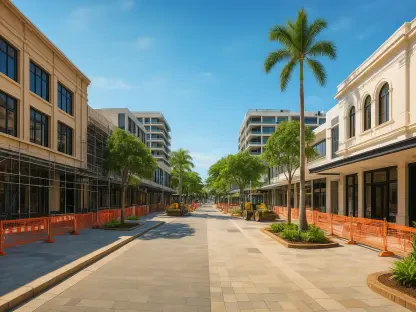
As metropolitan areas grow more crowded, the ability to upgrade transit corridors without paralyzing city movement has become essential. In hubs like Chicago, engineers are utilizing accelerated construction staging and specialized underground tunneling to modernize vital arteries like the I-290 Eisenhower Express. These methods allow for critical utility upgrades and bridge replacements to occur beneath or around active traffic. By minimizing disruptions in high-traffic freight and commuter corridors, firms are proving that infrastructure can be improved without bringing local economies to a standstill. This trend toward less invasive, technically complex solutions represents a major shift in how urban civil engineering is approached in a post-expansion era.
Navigating the Surge in Large-Scale Energy Projects
The energy sector is currently a primary engine of growth, particularly along the Gulf Coast. Massive projects, such as the multi-billion dollar Port Arthur LNG facility, demonstrate the massive capital and technical expertise required to meet global energy demands. Commercial operations for these liquefaction trains are slated to begin between 2027 and 2028. Beyond the sheer engineering scale, these projects are also driving innovations in workforce management. For instance, new safety protocols that use visual indicators for new employees—such as specific hard hat colors—are becoming standard to reduce risks during high-hazard early employment stages. This focus on safety culture is just as important as the physical construction, as it ensures that the rapid expansion of the energy sector is sustainable and responsible.
Emerging Trends and the Next Wave of Innovation
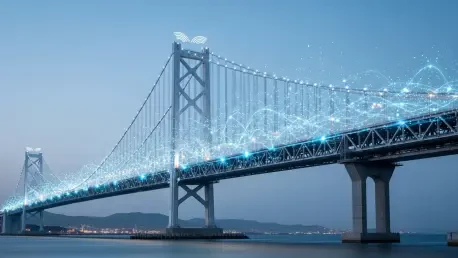
Looking ahead, several key trends are poised to further transform the industry. Digital transformation and strategic leadership shifts are becoming more common as firms look to optimize operations and manage large-scale growth. There is a visible move toward more data-driven decision-making and the adoption of new technologies in design and project management. Additionally, the regulatory environment is likely to place a greater emphasis on sustainability and the environmental impact of large-scale builds. Expert predictions suggest that the coming years will be defined by smart infrastructure that integrates technology directly into the physical build, allowing for better monitoring and long-term maintenance.
Practical Strategies for an Evolving Industry
For professionals and businesses operating in this space, adapting to these changes requires a proactive approach. One of the best practices emerging from recent major projects is the implementation of structured safety programs for new hires, which can significantly reduce jobsite incidents. Furthermore, businesses should focus on accelerated construction methodologies to remain competitive in urban markets where minimizing public disruption is a top priority. Professionals should also keep an eye on leadership transitions and mergers within the design and engineering sectors, as these shifts often signal new strategic directions for the industry. Staying informed on these trends allows stakeholders to apply modern solutions to age-old infrastructure challenges.
Securing the Future of the American Built Environment
The future of American infrastructure was shaped by a unique combination of historical respect, engineering ingenuity, and a commitment to safety. From the multi-billion dollar energy trains in Texas to the intricate transit tunnels in Chicago, the industry demonstrated its ability to handle projects of immense scale and complexity. These developments were not just about building structures; they represented a movement toward a more resilient foundation for the country’s economic and social future. As the industry continued to evolve, the focus remained on balancing rapid innovation with the human and environmental factors that ensured these projects stood the test of time. Understanding these shifts became essential for anyone looking to navigate the complexities of the modern built environment. Stakeholders should now prioritize the integration of digital monitoring tools to extend the lifecycle of these massive investments.