
The American landscape currently presents a puzzling visual paradox where quiet suburban cul-de-sacs with half-finished frames stand in stark contrast to the buzzing activity of urban industrial zones and sprawling apartment complexes. While the traditional dream of owning a detached single-family home has hit a formidable wall of high interest rates and rising costs, the broader economy remains buoyed by a surge in large-scale infrastructure and rental developments. This divergence suggests that the domestic market is not merely slowing down but is instead undergoing a fundamental restructuring that prioritizes density and industrial capacity over individual ownership. Understanding this shift requires a deep dive into the intersection of geopolitical instability and the persistent weight of inflation that has redefined the financial landscape for millions since the start of 2025. As mortgage rates hover at levels that would have seemed unthinkable just a few years ago, the path forward looks increasingly fragmented and complex for all.
The Slump in Single-Family Residential Construction
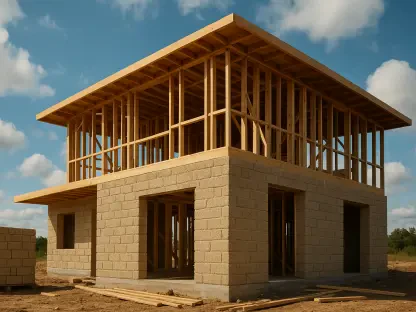
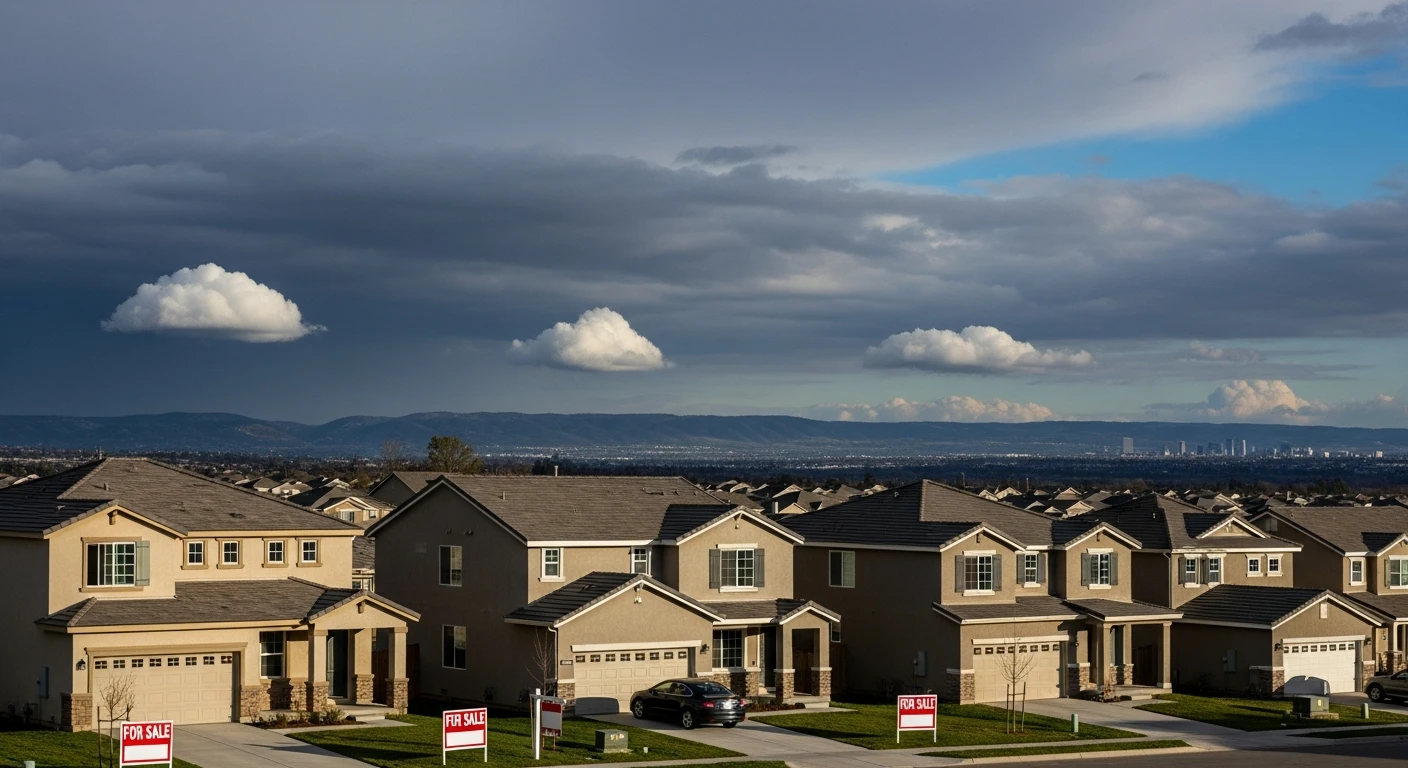
Single-family homebuilding has entered its third consecutive month of decline, a trend that has sent ripples of concern through the construction industry as projects across the Northeast, South, and Midwest grind to a halt. While the Western United States has managed to maintain a slim margin of growth, the national aggregate reveals a significant retreat from the aggressive building targets set in previous years. This cooling period is more than a seasonal fluctuation; it represents a fundamental loss of momentum in the sector that has historically anchored the American residential real estate market. Potential buyers are facing a double-edged sword of high entry prices and borrowing costs that refuse to yield, leading to a surplus of inventory that remains untouched. As long as these regional disparities persist, the national recovery for individual housing will likely remain uneven, forcing developers to reconsider their long-term strategies for suburban growth and land acquisition.
Regional Market Cooling: Assessing Local Declines
The erosion of builder confidence is perhaps the most telling indicator of the current malaise, with sentiment metrics dropping as permits for new residential projects hit their lowest point in nearly a year. Developers are increasingly hesitant to break ground on new projects when the existing stock of unsold homes has climbed to levels reminiscent of the 2007 housing crisis. This cautious approach is a direct response to a spring selling season that failed to ignite the expected demand, leaving many builders with expensive capital tied up in sitting inventory. Rather than continuing to flood a saturated market, many firms are opting for a period of strategic hibernation, waiting for existing units to clear before committing to new debt. This wait-and-see attitude is exacerbated by the rising cost of undeveloped land and the increasing difficulty of securing construction loans in a tight credit environment, creating a bottleneck that prevents new supply from entering the pipeline.
Builder Sentiment: Evaluating Inventory Surpluses
Geopolitical instability has emerged as a primary driver of domestic financial anxiety, particularly following the recent military escalations between the United States and Iran that rattled global markets. These tensions triggered immediate volatility in oil prices, which surged and subsequently dragged mortgage rates to an eleven-month high of approximately 6.55 percent by mid-summer. Such external shocks make it exceedingly difficult for American families to engage in long-term financial planning, as the cost of borrowing can shift dramatically within a single week based on events occurring thousands of miles away. The uncertainty in the Middle East does not just impact the pump; it filters through the entire economy, tightening the grip on consumer confidence and making traditional thirty-year fixed-rate mortgages look increasingly prohibitive. This environment has effectively sidelined a generation of aspiring homeowners who find themselves trapped between rising rent and an unattainable market.
Global Volatility and the Legislative Response
In response to the growing affordability crisis, federal legislators recently managed to pass a series of bipartisan laws designed to streamline construction processes and reform antiquated zoning regulations. However, the legislative journey was fraught with difficulty, as the bill became a bargaining chip in heated political standoffs over unrelated voting rights legislation and administrative appointments. These delays meant that while the reforms were eventually signed into law, their practical effects are unlikely to be felt by the average consumer for several years due to the slow pace of bureaucratic implementation. Experts suggest that while these structural changes are necessary to address the long-term housing deficit, they offer little immediate relief for those struggling in the current environment. The lag between policy enactment and physical construction remains a significant hurdle, ensuring that the residential slump will likely persist through the current cycle as local governments adapt to new rules.
Impact of Geopolitical Conflicts on Mortgage Rates
While the single-family sector falters, the multi-family housing market has experienced a massive surge in investment as developers pivot their focus toward large-scale rental apartment complexes. This shift is mirrored in the industrial sector, where manufacturing is booming due to the rapid expansion of infrastructure required for artificial intelligence and a strategic push by companies to restock domestic inventories. The demand for data centers and specialized manufacturing hubs has created a robust secondary market that is effectively keeping the broader economy afloat even as residential construction slows. Investors are finding better yields in commercial and high-density residential projects than in traditional suburban developments, leading to a reallocation of capital that favors urban density. This industrial resilience provides a crucial buffer against a broader recession, though it does little to alleviate the shortage of affordable homes for those who wish to own rather than rent in the current market.
Analyzing Federal Reforms and Zoning Implementation
Persistent inflation remains the primary obstacle preventing the Federal Reserve from initiating the interest rate cuts that many in the housing industry have been desperately anticipating. A surprising increase in the cost of imported raw materials and a surge in the price of international travel have kept inflationary pressures higher than initial economic models predicted. These headwinds complicate the path to price stability and force the central bank to maintain a restrictive monetary policy to prevent the economy from overheating. As long as the cost of goods and services remains elevated, the housing market will continue to struggle with the burden of expensive borrowing and high material costs for builders. This creates a challenging cycle where the sectors of the economy that are performing well, like industrial tech, contribute to the very inflation that keeps mortgage rates high for individual buyers. Consequently, the divide between the thriving industrial sector and the residential market is expected to widen.
Industrial Resilience and Inflationary Headwinds
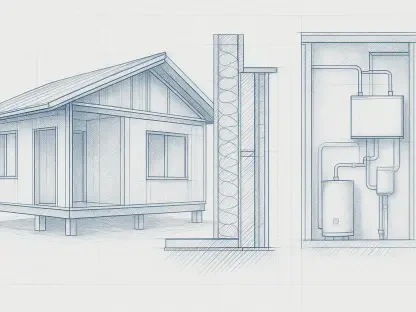
To move past this era of market fragmentation, the industry looked toward several critical adjustments that redefined the relationship between policy and property development. Municipalities that successfully navigated the crisis did so by immediately implementing the federal zoning reforms to allow for more flexible housing densities in suburban zones. Financial institutions also played a key role by developing more diverse lending products that catered to the growing rental market while providing bridges for first-time buyers in less volatile regions. For the construction sector, the path forward involved a significant shift toward modular and sustainable building techniques that reduced the reliance on expensive raw material imports. Developers who survived the slump were those who anticipated the demand for tech-integrated infrastructure and pivoted their labor forces to support the burgeoning AI data center industry. These collective actions ensured that while the single-family market remained constrained, the broader economic engine functioned.
Pivot Toward Multi-Family and Industrial Growth
Realizing the necessity of diversification, investment firms shifted their focus from individual mortgage-backed securities to industrial real estate and high-density residential clusters. This transition was driven by the realization that the manufacturing boom, particularly in the semiconductor and renewable energy sectors, required a new type of logistical infrastructure that could not be serviced by traditional suburban layouts. By prioritizing developments near industrial hubs, the market began to address the housing needs of a workforce that was increasingly mobile and less interested in the long-term debt associated with homeownership. This approach not only stabilized the construction labor market but also provided a steady stream of income for developers who were previously exposed to the volatility of the single-family sales cycle. The success of these projects proved that high-density living could be both profitable and popular when integrated with modern employment centers.
Challenges of Persistent Inflation and Monetary Policy
Addressing the core issue of inflation required a multi-faceted strategy that extended beyond the Federal Reserve’s interest rate adjustments to include supply-chain optimization and trade policy reforms. Reducing the tariffs on essential building materials, such as lumber and steel from allied nations, provided immediate cost relief to builders who were struggling with thin margins. Furthermore, the promotion of domestic manufacturing for critical housing components helped to insulate the market from the price shocks associated with global shipping disruptions. For the housing sector to thrive in the coming years, it was essential that these supply-side interventions continued to supplement monetary policy, creating a more stable floor for construction costs. By focusing on the underlying drivers of price increases, the government and private sector worked together to foster an environment where borrowing could eventually become more affordable. These measures were vital for bridging the gap between industrial success and residential accessibility.
Strategic Adaptations for Market Stability
In the period following the 2025 divide, the industry realized that long-term stability required a departure from the volatile cycles of the past. Builders who embraced advanced pre-fabrication and 3D printing technologies were able to maintain production levels even as traditional labor costs rose, providing a blueprint for affordable supply in the 2026 to 2028 period. This technological shift, combined with a more aggressive stance on rezoning under-utilized commercial spaces for residential use, began to clear the inventory bottlenecks that had previously stifled the market. Looking forward, the focus must remain on creating a resilient housing infrastructure that can adapt to both economic shifts and geopolitical uncertainties without collapsing. Stakeholders must continue to advocate for transparent lending practices and a regulatory environment that encourages innovation in building materials. By fostering a closer alignment between industrial growth and residential development, the American economy ensured that the housing market could serve as a source of stability rather than a point of vulnerability for the nation.