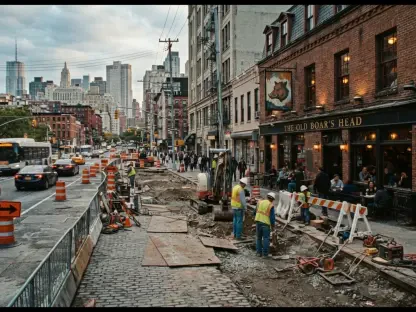
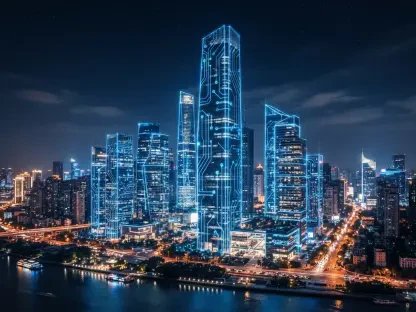
The modern American construction landscape has transitioned from a period of sheer physical expansion into a sophisticated era where data analytics and worker safety are the primary metrics of success. From the vertical density of New York City to the sprawling research corridors of Texas, the sector currently balances the urgent need for infrastructure renewal with a rigorous, technology-first approach to human capital protection. This analysis examines the fundamental shifts in the building environment, highlighting how the integration of high-tech tools and massive state-level funding creates a more resilient industry. By evaluating current project trajectories, a clear narrative emerges of a sector that prioritizes collaborative safety and specialized institutional growth over traditional, siloed building methods.
The Evolution of Safety and Infrastructure Standards
Understanding the present state of the industry requires a look at the historical movement away from high-risk, reactive construction practices toward a proactive, “zero-harm” philosophy. Historically, construction accidents were often viewed as an unfortunate but inevitable cost of progress, a perspective that has been dismantled by decades of federal oversight and evolving corporate cultures. Infrastructure goals have also shifted; while the 20th century was defined by the rapid expansion of interstate highways, the current focus emphasizes the meticulous maintenance of these existing arteries and their integration with smart technology. These foundational changes set the stage for the current market, where the complexity of a project is measured as much by its safety data as by its physical height or footprint.
Key Pillars of Modern Construction Strategy
Technological Integration and the Democratization of Safety
A landmark shift in risk management is occurring as industry leaders move safety protocols from proprietary secrets to shared resources. The decision by major firms like Turner Construction to release advanced artificial intelligence safety applications to the general public for free marks a turning point in how the industry views competition. Safety is no longer treated as a corporate advantage but as a collective obligation, allowing even smaller subcontractors to utilize the same predictive tools as billion-dollar joint ventures. In metropolitan hubs like New York City, the impact of these maturing safety cultures is visible in the data, where a steady downward trend in jobsite injuries has been documented over the last decade. While a decrease in new building permits has likely contributed to lower incident numbers, the persistent focus on training and protocol indicates a genuine cultural shift that transcends mere market cooling.
Expanding the Footprint: Regional Connectivity and Institutional Growth
While digital tools secure the worker, substantial capital investments from state governments are securing the physical integrity of the nation’s transit and educational systems. New York State recently allocated $78 million toward the Thruway system, focusing specifically on high-traffic corridors like I-90 and I-87 to ensure regional commerce remains uninterrupted by aging pavement. Simultaneously, the higher education sector has emerged as a powerhouse for specialized construction demand. Partnerships like the $133.4 million project between Skanska and Texas A&M University for a meat science and technology facility illustrate a growing market for complex STEM environments. These projects demand intricate mechanical, electrical, and plumbing systems that far exceed the requirements of standard commercial builds, forcing contractors to develop niche expertise in high-tech laboratory construction.
Adaptive Reuse: The Technical Art of Urban Transformation
In land-constrained urban centers, adaptive reuse has become a sustainable and prestigious alternative to the traditional cycle of demolition and replacement. A prime example is the conversion of a century-old church on the Upper West Side of Manhattan into a sprawling new facility for the Children’s Museum of Manhattan. This project, led by Shawmut Design & Construction, highlights the immense technical difficulty of modernizing a landmark-quality structure while maintaining its historical soul. By transforming sacred spaces into modern “learning labs,” developers are addressing the environmental costs of new construction while providing public institutions with unique, character-rich spaces. This trend suggests that the future of urban development lies in the ability to reimagine existing structures, blending the aesthetic value of the past with the functional requirements of the present.
Emerging Frontiers: AI, Sustainability, and Economic Resilience
The path forward for the construction industry is increasingly defined by the intersection of artificial intelligence and regulatory pressure. As safety data becomes more open-source, the industry is moving toward a standard of predictive modeling where potential hazards are identified and mitigated before a single worker sets foot on a site. Economically, many contractors are expected to pivot toward government-funded infrastructure and institutional projects to hedge against potential volatility in the private residential sector. Furthermore, as “green” building regulations become more stringent, adaptive reuse and carbon-neutral materials will likely move from optional innovations to mandatory industry standards. Experts anticipate that the next few years will see a total integration of real-time site monitoring, making the construction site one of the most data-rich environments in the modern economy.
Strategic Recommendations for a Changing Industry
To remain competitive in this evolving market, construction firms must adopt a strategy that balances technological adoption with specialized labor development. Organizations should prioritize the integration of AI-driven safety platforms, recognizing that the long-term cost savings of injury prevention far outweigh the initial investment in software and training. Diversifying into high-growth sectors such as specialized STEM facilities or public infrastructure projects can provide a critical buffer against economic fluctuations in other areas. For urban developers, the focus should remain on mastering the nuances of adaptive reuse, which offers a pathway to bypass the environmental and permitting hurdles often associated with new builds. Investing in specialized training for complex MEP systems will also be essential as institutional projects become more technically demanding.
Building a Safer and More Resilient Future
The trends that defined American construction reflected an industry that matured in both its social responsibility and technical execution. The transition toward open-source safety AI and the revitalization of historic urban landmarks demonstrated a long-term commitment to both human life and architectural heritage. These developments ensured that the sector remained a cornerstone of national economic stability while adapting to the demands of a high-tech era. The successful fusion of innovation with a deep respect for safety protocols created a blueprint for a more resilient built environment. Ultimately, the industry moved away from the risks of the past and embraced a future where data, sustainability, and specialized utility were the primary drivers of growth.