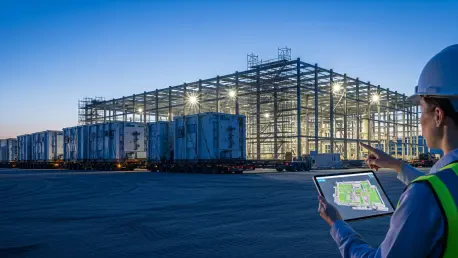

The evolution of Building Information Modeling within the mechanical, electrical, and plumbing sectors has reached a critical tipping point where the primary value of a digital model is no longer found in simple clash detection but in its ability to serve as a high-fidelity execution engine. While traditional workflows utilized virtual coordination primarily to ensure that components did not occupy the same physical space, modern demands require a much more sophisticated approach that treats the digital model as a central hub for logistical planning. This transformation is driven by a necessity to maximize the advantages of prefabrication, which include improved job site safety, reduced field labor costs, and compressed project schedules that were previously impossible. By embedding granular logistics such as detailed transportation routes into the model long before ground is broken, contractors are successfully turning chaotic job sites into streamlined environments that resemble high-tech assembly plants rather than traditional construction zones.
Beyond Spatial Coordination: The Shift Toward Constructibility
A clash-free model is no longer the definitive metric for project success in the mechanical sector, as a design can appear flawless in a digital environment while remaining entirely impossible or inefficient to construct in reality. To effectively bridge the gap between basic coordination and actual fabrication, mechanical contractors have begun addressing practical execution questions much earlier in the design phase than previously practiced. This proactive methodology involves determining precise spool breaks and identifying standardized assemblies during the modeling stage to ensure that every component is optimized for the shop. By simulating how massive components will physically move through the job site and navigate through tight corridors, teams can identify potential bottlenecks before they manifest in the field. Resolving these logistical hurdles in the digital realm ensures that construction remains a continuous process of installation rather than a series of problem-solving exercises during the critical phases.
The current industry standard now prioritizes the migration of as much labor as possible from the unpredictable and often hazardous construction site into a highly controlled shop environment. Industry leaders are focusing their efforts on upstream decision-making, where critical choices regarding assembly sizes and specific installation sequences are finalized during the modeling process. This strategic emphasis on standardization allows mechanical contractors to identify repetitive patterns across diverse projects, transforming unique custom builds into a series of standardized products. By treating complex mechanical systems as reproducible modules, fabrication shops can achieve assembly-line efficiencies that significantly reduce material waste and eliminate safety incidents associated with traditional field work. This shift not only improves the quality of the final installation but also provides a level of predictability that allows project managers to allocate resources with much greater precision and confidence.
Case Study: Validating The Digital-To-Physical Pipeline
Real-world applications of this digital-to-fabrication philosophy are best exemplified by the Penn State Lancaster Medical Center project, which showcased the power of early prefabrication integration. By modeling complex modular components such as multi-trade racks and prefabricated bathroom pods with extreme precision, the project team accounted for specific weights and physical clearances required for transport through the facility. This level of modeling goes far beyond simple geometry, as it incorporates the physical reality of the site into the digital plan by treating material pathways with the same priority as the mechanical systems themselves. The result of this disciplined approach was a significant reduction in onsite labor hours and a schedule that stayed ahead of traditional benchmarks. The project proved that when logistics are treated as a core component of the BIM process, the model ceases to be a mere reference and becomes a definitive roadmap for every stage of the assembly lifecycle.
Similarly, the massive industrial expansion of the Atlantic Constructors manufacturing facility serves as a testament to how a disciplined digital pipeline can manage enormous volumes of piping work efficiently. With nearly one hundred thousand linear feet of large-bore pipe required for the facility, the project relied on the automated generation of thousands of detailed spool sheets derived directly from the coordinated model. By focusing on reducing routing complexity and ensuring that every assembly arrived at the site in an install-ready state, the project team managed to slash field labor requirements by nearly fifty percent. These results highlight a fundamental truth in modern construction: even the most complex and high-volume mechanical systems can be streamlined if the digital model serves as the primary tool for execution. The success of such a massive undertaking was rooted in the early commitment to fabrication-level modeling, which allowed the shop to stay in perfect synchronization with field teams.
Strategic Execution: Establishing The Core Pillars Of BIM
To successfully transition to an execution-planning model, contractors must establish a strategy based on four essential pillars: proactive standardization, integrated fabrication planning, modeling of field constraints, and a single source of truth. Proactive standardization enables the creation of repeatable components that can be mass-produced, while integrated planning ensures that decisions regarding transport and spooling are never left to the discretion of field crews. Furthermore, modeling invisible constraints like the maximum reach of a crane or the specific door clearances in a corridor ensures that prefabricated modules will fit perfectly upon arrival. When the fabrication shop and the field crews work from the exact same digital data set, the construction process is fundamentally transformed from a reactive cycle of troubleshooting into a predictable and high-speed assembly. This alignment ensures that every stakeholder understands the plan, reducing the likelihood of errors and ensuring that goals are met.
The industry successfully transitioned toward this integrated model by adopting rigorous digital standards that replaced fragmented communication with a unified execution strategy. Stakeholders recognized that the digital model functioned best when it accounted for the full lifecycle of a component, from the initial cut in the shop to the final bolt tightened on the site. To maintain this momentum, project teams developed actionable protocols that involved auditing current BIM standards to prioritize fabrication-ready data over simple architectural placeholders. Leaders in the field encouraged a culture of collaboration where shop managers and technicians worked in tandem to refine the logistics of every delivery. Future considerations moved toward the total automation of spooling and the integration of real-time tracking for every prefabricated assembly. By focusing on these logistical nuances, companies secured a competitive advantage that prioritized efficiency and safety, ultimately redefining the standards of mechanical construction.