
Luca Calarailli brings a sophisticated eye to the intersection of modern architecture and construction technology. As an expert deeply invested in how innovative design can solve urban housing crises, he views the new developments at Brabazon as a blueprint for the future of student living. In this discussion, we explore the rapid deployment of premium housing through off-site construction, the integration of high-tech amenities like content creation studios, and the strategic role of massive purpose-built developments in balancing local rental markets while enhancing the student lifestyle in Bristol.
How do innovative off-site construction methods impact the delivery timeline and quality for a project of this massive scale?
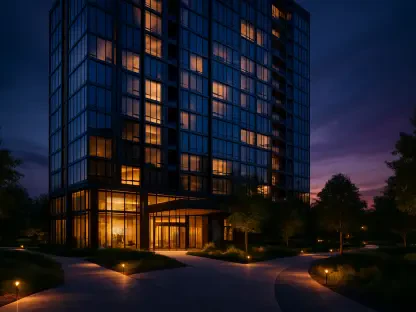
By utilizing advanced off-site solutions, we were able to ensure that the first two residential buildings are ready to welcome students this September. This methodology is incredibly efficient, allowing for the completion of 745 beds in time for the start of the academic year, which is a significant logistical achievement. These innovative techniques mean that the construction is handled in a controlled environment, ensuring a premium finish that traditional on-site methods sometimes struggle to maintain under tight deadlines. When the final two buildings open next year, the total capacity will exceed 1,500 beds, demonstrating how technology allows us to scale up quickly without sacrificing the structural integrity or the aesthetic appeal of the development.
With rooms starting at £180 per week, how does the architectural design balance the need for affordability with the demand for high-end social amenities?
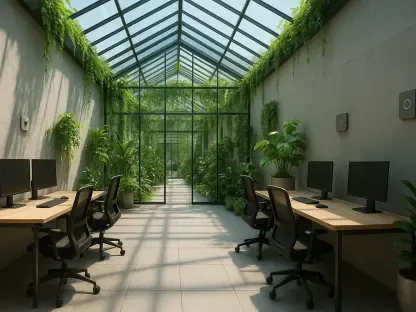
The design strategy focused on creating a value proposition where the price includes not just a room, but a comprehensive lifestyle. We’ve integrated utilities and high-speed internet into that base cost, but the real luxury is found in the communal spaces like the cinema lounge, onsite gym, and even karaoke and gaming rooms. By offering fully furnished shared ensuite cluster flats alongside private studios, we cater to various budget levels while ensuring everyone has access to the same high-quality outdoor wellbeing spaces and study areas. This balance is achieved by prioritizing multi-functional spaces that encourage community interaction, making a £180 weekly investment feel like a gateway to a much more expensive, all-inclusive resort experience.
In what way does a development of this size help stabilize the local housing market and improve the surrounding neighborhoods?
Large-scale developments like The Propeller Quarter are essential for taking the pressure off the private rental market, which has historically been stretched thin by shared student houses. By concentrating over 1,500 students in a purpose-built environment, we help restore the natural balance of local neighborhoods, allowing traditional family homes to remain available for residents. The sensory impact of this transformation is immediate; you move from the cluttered feel of overcrowded residential streets to a planned, vibrant city district. This shift not only provides better housing for students but also revitalizes the area by introducing new life into the South West’s newest city district without displacing the existing community.
How does the proximity to major infrastructure like the new train station and the Aviva Arena enhance the day-to-day experience for residents?
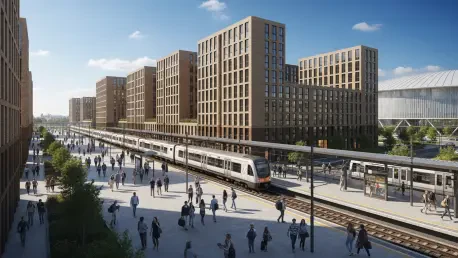
Connectivity is the heartbeat of this project, with the new Bristol Brabazon train station opening this Autumn to link students directly to major campuses. Having dedicated Metrobus services already running through the site means that the commute to the University of Bristol Enterprise Campus or UWE Frenchay is seamless and stress-free. Beyond academics, the physical proximity to a 20,000-capacity venue like the Aviva Arena means students are at the center of the region’s cultural life. They can walk from their content creation studio in the morning to a world-class live music event in the evening, all while enjoying local staples like the Mokoko Bakery just a short distance away.
What is your forecast for the future of purpose-built student accommodation in urban centers?
I believe we are entering an era where student housing will become the cornerstone of “lifestyle districts” rather than just isolated dormitories. We will see more projects that integrate specialized professional tools, such as music and content creation studios, as the line between academic life and digital entrepreneurship continues to blur. Future developments will likely mirror what we’ve started at Brabazon, blending high-density living with massive entertainment venues and immersive recreational spaces like padel courts. The goal is to create a self-sustaining ecosystem where the environment itself acts as a catalyst for both social connection and personal growth, ultimately setting a new standard for how we design for the next generation.