
The South Korean Ministry of Land, Infrastructure and Transport has recently initiated a monumental transformation within the domestic real estate market by pivoting toward a sophisticated housing framework that prioritizes residential quality and long-term security. This initiative represents a clear departure from the historical focus on basic social safety nets, opting instead for a universal model that aims to provide premium living conditions for a broader spectrum of the middle class. By integrating the technical precision of the private sector with government-backed stability, this reform seeks to address the chronic shortages in high-demand urban centers like Seoul and its surrounding metropolitan areas. The primary objective is to build a sustainable ecosystem that accommodates the evolving needs of young professionals and growing families who have long struggled with market volatility. This strategic shift is not merely about increasing supply but about fundamentally redefining what it means to live in public-assisted housing throughout the current decade.
Part 1: Elevating the Standard for Universal Public Housing
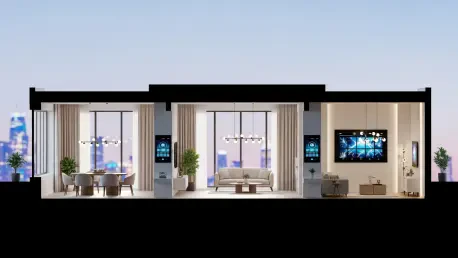
The transition to universal public rental housing introduces a qualitative benchmark that aligns with the expectations of modern urban residents, offering units that meet national housing size standards. These apartments typically span between 900 and 1,100 square feet, providing the necessary space for families to thrive without the cramped conditions often associated with legacy projects. Strategically situated near major transit hubs and within emerging new towns, these developments utilize a modern three-bay architectural design that maximizes natural sunlight and promotes efficient ventilation. The inclusion of high-end interior finishes and state-of-the-art home automation systems ensures that these units rival luxury private-sector condominiums. By removing the aesthetic and functional disparity between public and private housing, the government effectively dismantles the social stigma that has historically hindered the widespread adoption of state-sponsored residential solutions.
Beyond architectural improvements, the policy specifically targets the demographic challenges of the nation by reserving more than half of these premium units for young adults and newlywed couples who do not currently own property. While the initial occupancy agreement is set for a period of six years, the framework introduces a tiered incentive system that ties residential longevity to family expansion. Residents are granted the opportunity to extend their leases with each childbirth, and those with three or more children are eligible to remain in their homes for as long as two decades. This mechanism provides a stable environment for child-rearing, ensuring that families are not forced to relocate due to shifting market conditions during their most critical years. By linking housing security directly to birth rates, the reform transforms the residential sector into a proactive tool for social engineering, offering a clear pathway for the next generation to establish deep roots in urban communities.
Part 2: Incentivizing Long-Term Corporate Rental Management
A critical component of this reform involves reducing the market’s historical dependence on individual landlords and the often-volatile jeonse deposit system by fostering a robust corporate rental industry. The government is actively encouraging developers to pivot from short-term sales cycles to a more stable 20-year rental business model that prioritizes long-term property management over immediate capital gains. To facilitate this transition, the Korea Housing & Urban Guarantee Corporation provides comprehensive public guarantees for long-term mortgages, enabling corporate operators to secure low-interest financing for durations exceeding twenty years. This institutional shift is designed to create a predictable and transparent rental environment where tenants benefit from professional maintenance services and standardized lease agreements. By professionalizing the management of rental properties, the state aims to mitigate the risks associated with private individual lending.
To ensure that these long-term corporate projects remain financially attractive to large-scale investors and developers, the Ministry has introduced a suite of significant economic incentives and regulatory relaxations. These measures include expanded investment caps and increased loan limits per unit, alongside interest rates that are substantially lower than those offered for traditional short-term residential developments. Furthermore, operators committed to the 20-year model are granted greater flexibility in their pricing strategies compared to the more restrictive 10-year rental frameworks. While traditional models often face rigid price caps during tenant transitions, 20-year operators are permitted to adjust rents to reflect current market valuations whenever a new lease begins. This balance of regulatory support and market-based flexibility ensures the long-term fiscal sustainability of the housing stock while providing developers with the necessary cash flow to maintain high service standards.
Part 3: Innovative Ownership and Strategic Market Outcomes
The recent overhaul of the housing framework successfully established a foundation for a more equitable and efficient residential market that addressed the pressing needs of the middle class. By prioritizing high-quality architectural standards and professional corporate management, the state effectively shifted the national focus toward long-term stability rather than speculative gain. This transition proved that public housing could meet the same rigorous standards as the private sector, provided there was sufficient investment in design and infrastructure. Policymakers and urban planners demonstrated that by linking residential duration to family growth, they could create a social environment that encouraged demographic stability. The integration of equity-sharing models further empowered residents to participate in the wealth-building aspects of real estate without the traditional risks of high-interest debt, ensuring that the market became a driver of social cohesion.
The government also strengthened the broader market by implementing strategic interventions and enhanced safety nets that protected both the construction industry and individual renters. Authorities exercised the right of first refusal to purchase unsold private-sector units, converting them into high-quality public rental housing to stabilize the market. At the same time, the protections for the jeonse system were significantly bolstered through higher deposit insurance ceilings and expanded fraud protection. Looking ahead, stakeholders must now prioritize the integration of smart-city technologies within these rental developments to further reduce operational costs and enhance residents’ quality of life. Continued collaboration between the public sector and institutional investors will be essential to expand the availability of equity-accumulation schemes nationwide. By maintaining this commitment to innovation, the nation finalized a resilient ecosystem that remains accessible to all citizens through 2030.