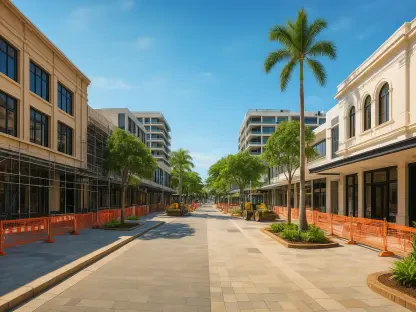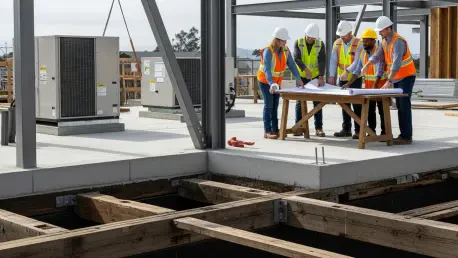

The lush fields and rugged coastline of Pescadero, California, rely on an invisible yet essential workforce that often struggles to find stable, dignified housing within the very community they sustain. Puente de la Costa Sur has officially launched a Request for Proposal for the first phase of the Casa de las Flores project, an ambitious initiative to rehabilitate a historic property and transform it into a beacon of stability for regional agricultural workers. This project seeks a licensed general contractor to manage the extensive conversion of an aging building into safe, high-quality, and affordable housing. By addressing systemic housing shortages that have plagued the South Coast for decades, Puente aims to preserve the vitality of the local community while ensuring that those who drive the agricultural economy have a reliable and permanent place to call home. This effort represents more than just a renovation; it is a strategic intervention designed to provide long-term equity for families who have historically been marginalized by high market rates and a lack of local inventory.
Historical Evolution: From Education to Essential Housing
The property’s story began in 1925 when it was originally constructed as the Pescadero Union High School, a central educational landmark that served generations of local students before the school relocated to a new facility in 1960. Following that move, the building transitioned through various roles, eventually being converted into workforce apartments during the 1980s to accommodate the labor force necessary for the region’s expanding flower and vegetable farms. Despite its deep historical value and central location, the structure suffered from years of deferred maintenance and limited investment, leading to a state of significant disrepair by the start of 2024. The deterioration of such a vital asset highlighted the urgent need for a dedicated steward who could see beyond the crumbling infrastructure to the potential of the site as a permanent community resource.
Recognizing this potential, Puente purchased the 13.5-acre property following extensive negotiations with a private landowner, a move that secured the site for public good rather than private development. The acquisition included not only the 8,471-square-foot residential building but also substantial greenhouse space and storage facilities that offer opportunities for future agricultural or educational programs. This purchase marked the culmination of years of community feedback and strategic planning, positioning Puente as a primary advocate for farmworker dignity. By removing the property from the speculative real estate market, the organization ensured that the historic building would remain dedicated to affordable housing, providing a shield against the gentrification pressures that often displace essential workers from coastal regions.
Socioeconomic Impact: Breaking the Cycle of Housing Insecurity
The motivation behind the Casa de las Flores renovation is deeply rooted in the extreme economic pressures facing farmworkers on the South Coast, many of whom are caught in precarious living situations. A significant portion of the agricultural labor force currently resides in housing provided directly by their employers, which often creates a difficult “double jeopardy” dynamic where their home is tied to their job. In these scenarios, any request for necessary repairs or the reporting of safety issues could potentially lead to the simultaneous loss of both their housing and their livelihood. This project seeks to break that cycle of dependency by providing independent housing that is entirely decoupled from specific agricultural employment, offering residents a level of security and agency that is often unavailable in traditional rural housing models.
Current economic data reveals the staggering barriers to traditional housing in San Mateo County, where the cost of living has far outpaced the wages of the local agricultural sector. To afford a standard two-bedroom apartment at market rates without being rent-burdened, a worker would need to earn approximately $63.81 per hour—a figure that is more than 2.5 times the median wage for agricultural workers in California. Such a discrepancy makes market-rate housing virtually inaccessible for those who harvest the region’s crops, forcing many into overcrowded or substandard living conditions. By offering rents that align with actual local earnings, Casa de las Flores provides a necessary and dignified alternative, ensuring that essential workers are not forced to choose between financial stability and a safe environment for their families.
Architectural Modernization: A Five-Million-Dollar Restoration Project
The planned renovation is an exhaustive five-million-dollar overhaul designed to modernize the internal systems of the structure while maintaining its existing footprint and historical character. This phase of the project involves critical structural and infrastructure upgrades that are essential for bringing the century-old building up to modern habitation and safety standards. Work includes the replacement of the aging foundation, the installation of high-efficiency HVAC systems, and a complete modernization of the plumbing and electrical wiring. These improvements are not merely cosmetic; they are necessary for ensuring the long-term durability of the facility, allowing it to serve as a high-quality residence for current and future generations of Pescadero workers without requiring constant, costly emergency repairs.
Beyond the technical infrastructure, the design emphasizes communal living and social equity by repurposing the building’s original high school auditorium into a vibrant community hub. This central space is being converted to feature a large shared kitchen, professional-grade laundry facilities, and versatile areas for dining, recreation, and social gatherings. The residential layout is also being meticulously improved to include a mix of dorm-style apartments for individual laborers and private units for families, ensuring that the facility can accommodate the diverse household structures found within the local workforce. By balancing private living quarters with high-quality shared spaces, the project fosters a sense of community among residents, providing them with amenities that would be unaffordable in the private market.
Financial Sustainability: Building a Debt-Free Model for Success
One of the project’s most significant achievements is its debt-free financial foundation, which was secured through a combination of high-profile philanthropy and local grassroots support. A major grant from MacKenzie Scott’s Yield Giving provided the initial momentum for the property purchase, while additional contributions from the Chan Zuckerberg Initiative and the Silicon Valley Community Foundation added millions to the renovation budget. This diverse funding stream is critical because it ensures that the project remains operationally sustainable over the long term without the burden of mortgage payments or interest. Without debt service, the income generated from modest rents can be reinvested directly into the maintenance and improvement of the property, guaranteeing its viability for decades to come.
Governance of the renovation is managed by two specialized committees that provide technical expertise and financial oversight to ensure the project meets its 2026 completion goals. These groups, composed of board members, housing experts, and community representatives, manage everything from complex construction permits to ongoing fundraising for future site enhancements. By combining professional project management with community-led decision-making, Puente established a framework that prioritizes the needs of the residents while maintaining fiscal responsibility. This collaborative approach turned Casa de las Flores into a replicable model for historic preservation and social justice, demonstrating how rural communities can successfully leverage philanthropy to solve deep-seated housing crises without relying on traditional, profit-driven development models.
Strategic Implementation: Scaling Sustainable Community Development
The successful launch of the Casa de las Flores renovation offered a definitive blueprint for how rural non-profits could intervene in broken housing markets to protect essential workers. Stakeholders identified that the most effective path forward involved the early identification of underutilized historic assets and the rapid mobilization of philanthropic capital to secure those assets before market prices rose further. The project’s focus on decoupling housing from employment proved to be a vital step in empowering the workforce, as it allowed residents to advocate for themselves and their families without the fear of immediate displacement. These strategic moves provided a framework for other agricultural regions to follow, emphasizing that land ownership by community organizations was the most reliable way to ensure permanent affordability.
Future considerations for the site involved the expansion of the surrounding 13.5 acres into a multi-use campus that integrated housing with social services and local food production. Agricultural experts and community planners suggested that the existing greenhouse space could be used for job training programs or community gardens, further embedding the project into the economic fabric of Pescadero. This integrated approach showed that housing was not an isolated issue but rather the foundation upon which health, education, and economic stability were built. By treating the renovation as a starting point rather than an end goal, the community created a resilient ecosystem that prioritized the dignity of human labor and the preservation of local history in a rapidly changing economic landscape.